


Listen to the article
Wall Street Optimism Rises Despite Brewing Tension with White House
Major U.S. banks reported strong quarterly results Wednesday, painting a picture of economic resilience even as they face potential headwinds from the Trump administration’s recent policy proposals.
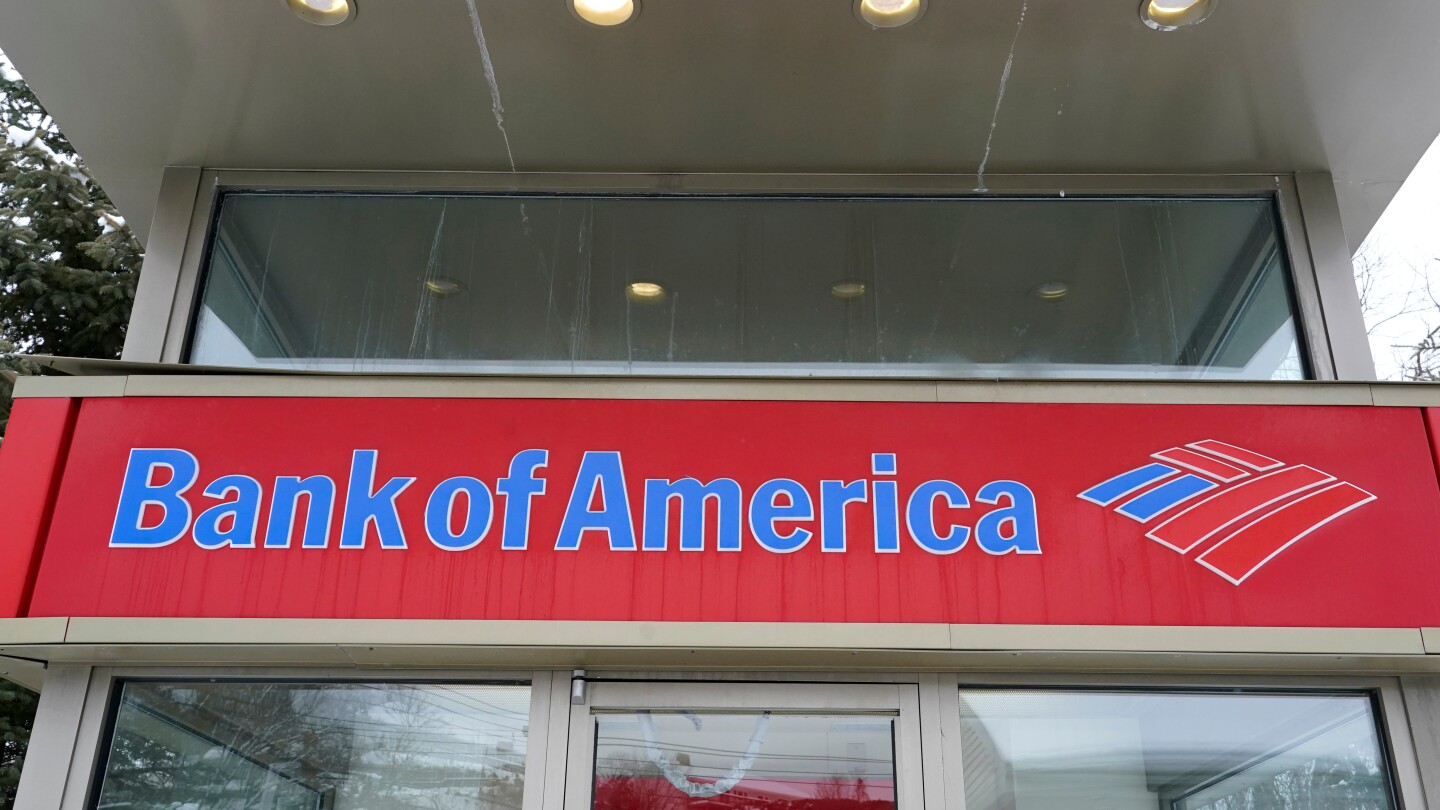
Bank of America, Citigroup, and Wells Fargo all delivered positive earnings reports, showcasing increased profits, healthy dealmaking activity, and stable consumer finances. These results come at a time when Wall Street’s previously warm relationship with the White House appears to be cooling.
“While any number of risks continue, we are bullish on the U.S. economy in 2026,” said Brian Moynihan, CEO and chairman of Bank of America, in a statement. Moynihan emphasized that both businesses and consumers are “proving resilient,” a sentiment echoed by Citigroup’s chief financial officer Mark Mason.
“The U.S. economy is doing just fine. There’s downside risks out there, geopolitical risks in particular. But when I step back and look at it holistically, we have an economy that has managed uncertainty and risks in a resilient type fashion,” Mason told reporters.
Bank of America reported a profit of $7.6 billion, or 98 cents per share, up from $6.8 billion, or 83 cents per share, in the same period last year. Meanwhile, Wells Fargo earned $5.36 billion, or $1.62 per share, compared to $5.08 billion, or $1.43 a share, a year earlier.
Consumer activity continues to show strength across these financial institutions. Bank of America noted a 6% increase in credit and debit card spending, with credit card balances rising a modest 3% year-over-year to $103 billion. The bank’s retail deposits also grew to $945.4 billion. Wells Fargo reported similar trends with increased consumer loan growth and credit card activity, while delinquencies and charge-offs remained relatively stable.
The banking sector had previously found an ally in President Donald Trump, who signed the One Big Beautiful Bill into law in July, implementing another significant round of tax cuts. His administration’s bank regulators have pursued a deregulatory agenda that financial institutions and large corporations have welcomed. This environment has fostered increased corporate dealmaking over the past year, generating steady investment banking revenues and fees for major banks.
However, the relationship between Wall Street and the White House has grown tense in recent days. Last Friday, Trump proposed capping interest rates on credit cards at 10%, a move that would significantly impact banks with substantial credit card businesses. He has also supported his Justice Department’s investigation into Federal Reserve Chairman Jerome Powell, which many in the banking sector view as a threat to the central bank’s independence. Trump has shown no signs of backing down, doubling down on his position in comments to reporters Tuesday night.
Banking executives have expressed strong opposition to the proposed interest rate cap. “Affordability is a big issue and we look forward to collaborating with the administration on ways we can address this,” said Mason. “But an interest rate cap is not something we could or would support. It would restrict credit to those who need it the most and have a delirious impact on the economy.”
Despite concerns about a “K-shaped” economic recovery, where wealth disparities widen between the affluent and lower-income segments, bank executives told reporters they weren’t seeing significant evidence of such a trend. Consumer spending remains robust, and metrics of financial health such as delinquency rates and charge-offs have stayed stable.
The strong performance of these financial institutions offers a counterpoint to economic concerns, suggesting that despite political tensions and policy uncertainties, the banking sector and broader economy maintain underlying strength. How this dynamic will evolve as the White House continues to pursue potential regulatory changes remains a key question for Wall Street in the coming months.
Fact Checker
Verify the accuracy of this article using The Disinformation Commission analysis and real-time sources.

16 Comments
The banking industry’s ability to deliver strong profits despite the tensions with the Trump administration is an impressive feat. This could be a sign of broader economic stability.
However, the potential for policy changes to impact the sector’s profitability remains a concern that requires close monitoring.
The resilience of the US economy, as reflected in the banks’ earnings, is a positive development. However, the ongoing tensions with the White House introduce an element of risk.
It will be crucial for the industry to navigate these challenges effectively to maintain its strong performance.
The banking industry’s ability to weather uncertainty and geopolitical risks is certainly a positive sign. Maintaining profitability amidst this backdrop is an impressive feat.
I wonder how long this resilience can be sustained, especially if tensions with the White House escalate further.
The banking industry’s ability to navigate uncertainty and deliver solid results is a testament to their adaptability. This could bode well for the broader economy.
However, the ongoing tensions with the White House introduce an element of risk that bears close watching.
Impressive to see the major banks reporting such robust profits in the face of potential policy challenges from the administration. This speaks to the strength of the US economy.
It will be interesting to see how this dynamic plays out and whether the banks can maintain their resilience in the long run.
Interesting to see the major banks reporting strong profits despite tensions with the White House. Resilience in the US economy seems to be paying off for these institutions.
It will be curious to see how this dynamic evolves going forward, with the administration’s policy proposals potentially impacting the banking sector.
The banking sector’s ability to deliver positive results amid economic and political uncertainty is a reassuring sign. This could help boost overall market confidence.
That said, the potential impact of the administration’s policy proposals on the industry remains a key concern to monitor.
Strong consumer finances and business resilience seem to be the driving forces behind these impressive earnings reports. It will be important to monitor if this trend continues.
The potential headwinds from policy changes are certainly worth keeping an eye on for investors in the banking sector.