


Listen to the article
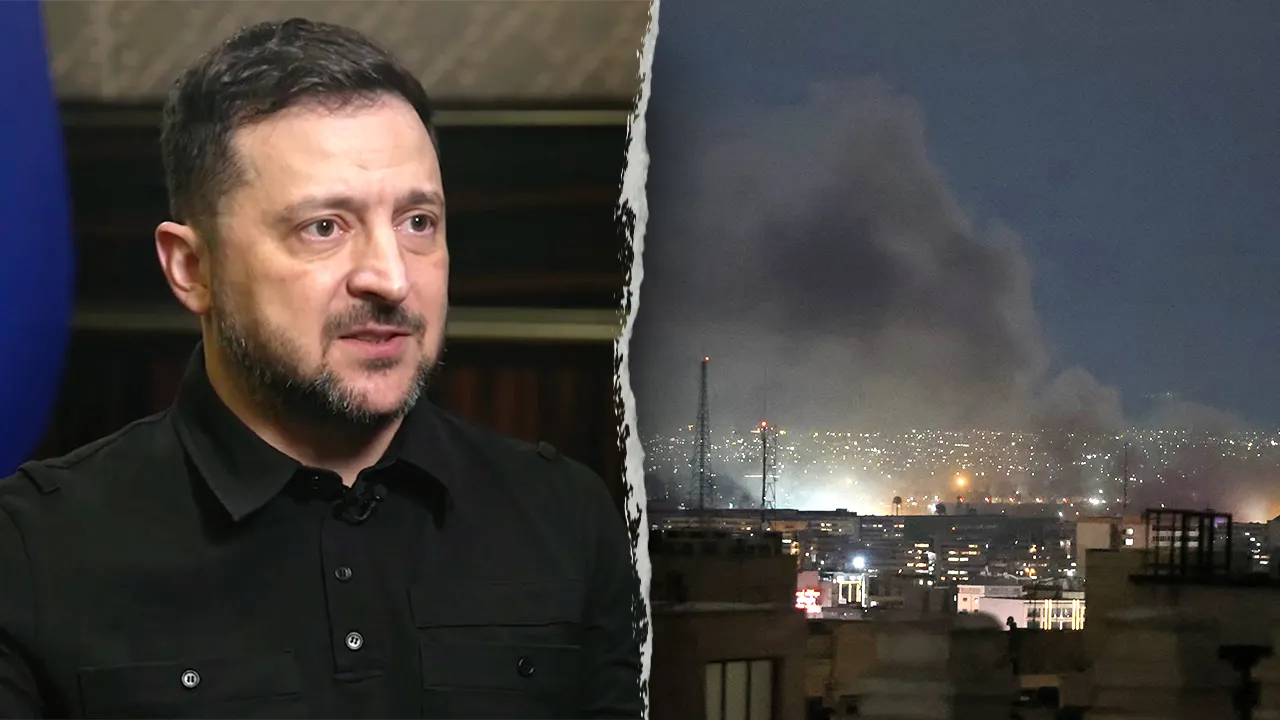
Ukrainian President Volodymyr Zelenskyy is leveraging his country’s wartime innovations to forge new alliances in the Middle East, offering advanced anti-drone systems in exchange for crucial air defense support and financial aid as the conflict with Russia enters its fourth year.
During a visit to Abu Dhabi on Friday, Zelenskyy met with United Arab Emirates President Mohammed bin Zayed Al Nahyan to discuss a potential agreement in which Ukraine would provide its sophisticated counter-drone technology to the UAE in return for ballistic missile support and financial assistance.
In an exclusive interview following the meeting, Zelenskyy emphasized Ukraine’s unique battlefield innovations that have drawn international interest. “We have drone interceptors, we have systems of electronic warfare and many other technologies that work together in one integrated system. This is what we have that nobody else has,” he explained.
Ukraine is now extending this expertise to at least four Persian Gulf nations — the UAE, Qatar, Jordan and Saudi Arabia — as these countries confront growing threats from Iranian drone capabilities. The Ukrainian technology has become particularly valuable in a region where drone warfare has intensified in recent months.
However, Zelenskyy stressed that these partnerships must be reciprocal, highlighting Ukraine’s ongoing “big deficit” of critical air defense weapons, particularly PAC-3 Patriot missiles used to intercept ballistic threats from Russia.
“We are ready to help Middle East countries with our expertise and with our knowledge, and we hope that they can help with anti-ballistic missiles,” Zelenskyy said. Ukraine has already signed 10-year defense agreements with Saudi Arabia and Qatar, with a similar arrangement expected soon with the UAE.
The Ukrainian president expressed concern that increasing U.S. military focus on the Middle East, particularly amid escalating tensions with Iran and the ongoing “Operation Epic Fury,” could potentially divert crucial weaponry away from Ukraine’s battlefield needs.
He pointed to what he sees as Russia’s strategic transfer of military technology to Iran, including Shahed “kamikaze” drones and battlefield tactics developed during the war in Ukraine. “Russia will share all they know about this war… They’re already sharing with Iranians,” Zelenskyy warned.
While stopping short of confirming missile transfers between Russia and Iran, the Ukrainian leader suggested Moscow has a strategic interest in prolonging instability in the Middle East to divert U.S. attention and resources away from Ukraine. “This is what they do,” he noted.
On the battlefield situation, Zelenskyy firmly rejected suggestions of territorial concessions in the contested Donbas region, arguing such moves would weaken Ukraine’s defenses, damage troop morale, and displace tens of thousands of civilians. “I think their morale will decrease,” he said of Ukrainian forces if territory were surrendered.
The conflict’s intensity shows no signs of abating. Ukrainian officials reported that more than 270 Russian drones struck Ukraine overnight Friday, resulting in at least five fatalities. These continued attacks underscore Ukraine’s urgent need for air defense capabilities.
Zelenskyy concluded with a direct message to the Trump administration, urging it to maintain support for Ukraine even while addressing Middle East tensions. “I hope that President Trump will find a way to end this war with pressure on the Iranian regime, and I hope that also they will not forget about the war of Russia against Ukraine,” he said.
The Ukrainian leader’s diplomatic efforts in the Middle East represent a strategic pivot as the war continues at home, transforming Ukraine from primarily an aid recipient to a valuable defense partner offering battle-tested technology to nations facing similar security challenges.
Fact Checker
Verify the accuracy of this article using The Disinformation Commission analysis and real-time sources.

11 Comments
Ukraine’s drone defense capabilities have been a key factor in its resistance against Russia. Transferring this expertise to Gulf nations facing Iranian drone threats is a savvy diplomatic move.
Absolutely, this exchange could yield significant benefits for both sides. The Gulf states get valuable counter-drone tech, while Ukraine secures much-needed support.
Curious to see how this technology transfer and support arrangement plays out. It’s a bold move by Zelenskyy to seek new alliances and leverage Ukraine’s wartime innovations.
Indeed, it will be interesting to monitor the implementation and outcomes of these deals. The geopolitical implications could be significant.
This is an intriguing development, as Ukraine seeks to expand its strategic partnerships beyond Europe. Sharing its specialized drone defense capabilities with Gulf nations could be a game-changer in the regional power dynamics.
Zelenskyy is clearly trying to leverage Ukraine’s wartime innovations to build a broader network of support. Sharing drone defense tech in exchange for missile defense and financial aid seems like a pragmatic strategy.
Interesting to see Ukraine leveraging its wartime drone defense innovations to forge new alliances. Sharing this technology in exchange for missile support and financial aid could be a smart strategic move.
This seems like a pragmatic approach for Ukraine to bolster its defenses and secure crucial financial and military aid. Sharing its counter-drone tech is a smart way to build strategic partnerships.
Agreed, Ukraine is in a difficult position and needs to be creative in finding ways to strengthen its position. Cultivating new alliances in the Gulf could pay dividends.
Ukraine’s ability to develop effective counter-drone systems is impressive, especially given the challenges they’ve faced. Partnering with Gulf nations to provide this expertise makes sense, as they also confront threats from Iranian drones.
Absolutely, the Gulf region has become an increasingly important theater for drone warfare, so Ukraine’s specialized knowledge could be invaluable to its allies there.