


Listen to the article
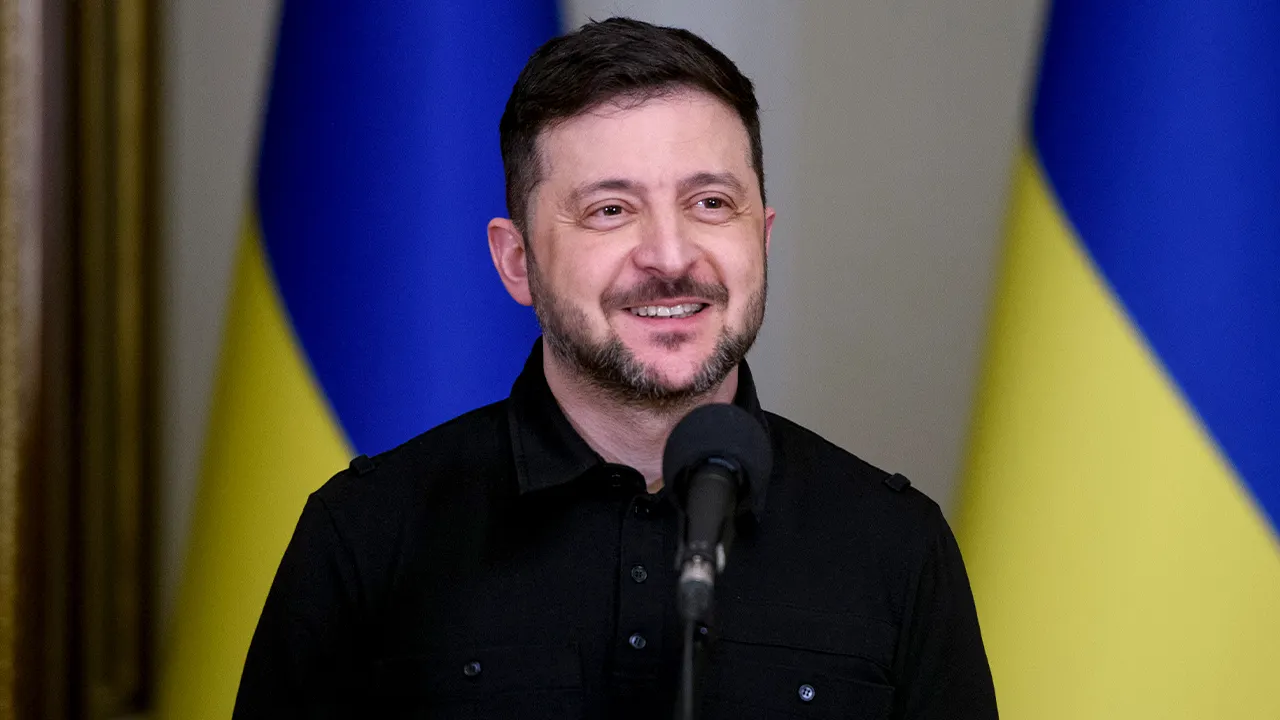
Ukrainian President Volodymyr Zelenskyy has described recent trilateral talks between the United States, Russia, and Ukraine in Abu Dhabi as “constructive,” marking a significant diplomatic development in efforts to end the war in Ukraine.
The two-day discussions, hosted by the United Arab Emirates, brought together political and military representatives from all three nations to address security-related issues, including potential parameters for ending Moscow’s invasion and establishing American monitoring mechanisms.
“A lot was discussed, and it is important that the conversations were constructive,” Zelenskyy wrote on social media platform X. He indicated that further meetings could take place as early as next week, with all delegations agreeing to report back to their respective capitals on the negotiations and coordinate next steps with their leadership.
The Abu Dhabi talks followed a high-profile meeting in Moscow last Thursday between Russian President Vladimir Putin and a U.S. delegation that included special envoy Steve Witkoff, former presidential adviser Jared Kushner, and Federal Acquisition Service head Josh Gruenbaum.
Putin aide Yuri Ushakov characterized those discussions as “extremely frank” and noted they lasted approximately four hours. According to the Kremlin, the American officials briefed Moscow on their recent conversations with Ukrainian and European leaders.
Territorial issues remain a central obstacle in the peace process. The Kremlin summary emphasized that participants acknowledged “bringing about a lasting settlement would be unlikely without addressing the territorial issue based on the formula as agreed in Anchorage.” Moscow has been pressing Kyiv to relinquish parts of eastern Ukraine’s Donbas region, including areas that Russian forces do not fully control.
The diplomatic initiatives come against a backdrop of continued Russian military aggression. Zelenskyy reported on Sunday that Russian forces launched more than 1,700 attack drones, over 1,380 guided aerial bombs, and 69 missiles against Ukraine in the past week alone. These strikes have targeted Ukraine’s energy sector, critical infrastructure, and residential areas, causing widespread damage as winter conditions intensify hardships for civilians.
More than one million Ukrainians are currently facing power outages amid freezing temperatures. In response, the European Commission has deployed 447 emergency generators to help restore power to hospitals, shelters, and other critical services.
“The EU will not let Russia freeze Ukraine into submission and will continue helping Ukrainians get through this winter,” the commission stated in an announcement made before the trilateral talks.
The recent diplomatic engagement represents the first format of its kind in some time, potentially signaling a shift in approach to resolving the conflict. The involvement of U.S. representatives in both direct talks with Putin and in facilitating discussions between the warring parties suggests a more active American role in seeking a resolution.
The timing of these talks is particularly significant as they occur during a harsh winter period when Russian attacks on infrastructure have magnified the humanitarian crisis in Ukraine. International observers are closely monitoring whether these diplomatic efforts can translate into meaningful progress toward a ceasefire or peace agreement.
For Ukraine, which has endured nearly four years of full-scale war, the prospect of internationally-mediated negotiations provides a potential diplomatic path forward, even as fighting continues along the front lines. However, the gap between Russian territorial demands and Ukraine’s position on sovereignty remains substantial, highlighting the complex challenges that lie ahead in any peace process.
As delegations return to their capitals to brief their leadership, the international community awaits indications of whether this renewed diplomatic engagement can build momentum toward a resolution to Europe’s largest land war since World War II.
Fact Checker
Verify the accuracy of this article using The Disinformation Commission analysis and real-time sources.

9 Comments
Constructive trilateral talks are an important step towards ending the conflict in Ukraine. Diplomacy and open communication are crucial for finding a peaceful resolution that addresses the security concerns of all parties involved.
It’s encouraging to see Russia, Ukraine, and the US engaging in direct dialogue. While the path to peace remains challenging, these kinds of high-level negotiations offer hope for a diplomatic solution.
Agreed. Continued diplomatic efforts, even in the face of ongoing hostilities, are critical for making progress towards a lasting ceasefire and eventual political settlement.
Zelenskyy’s willingness to engage directly with Russia and the US is a pragmatic approach, even if the path to a negotiated settlement is far from certain. Keeping communication open is crucial at this stage of the conflict.
Constructive dialogue between the parties, even amid ongoing hostilities, is an important step. However, the true test will be whether these talks lead to tangible progress towards a ceasefire and a diplomatic resolution of the conflict.
This meeting in Abu Dhabi represents a potentially significant development in the Ukraine conflict. Maintaining open communication channels, even between adversaries, is a necessary step towards a negotiated end to the war.
The fact that Zelenskyy described the trilateral talks as ‘constructive’ is a positive sign. Incremental progress through diplomacy, however difficult, is better than the continued escalation of the conflict.
Exactly. While a comprehensive peace deal remains elusive, these types of diplomatic engagements lay the groundwork for future negotiations and potential compromises.
While the details of the Abu Dhabi talks remain limited, Zelenskyy’s positive assessment is encouraging. Maintaining open channels of communication, even between adversaries, is crucial for eventually reaching a negotiated peace.