


Listen to the article
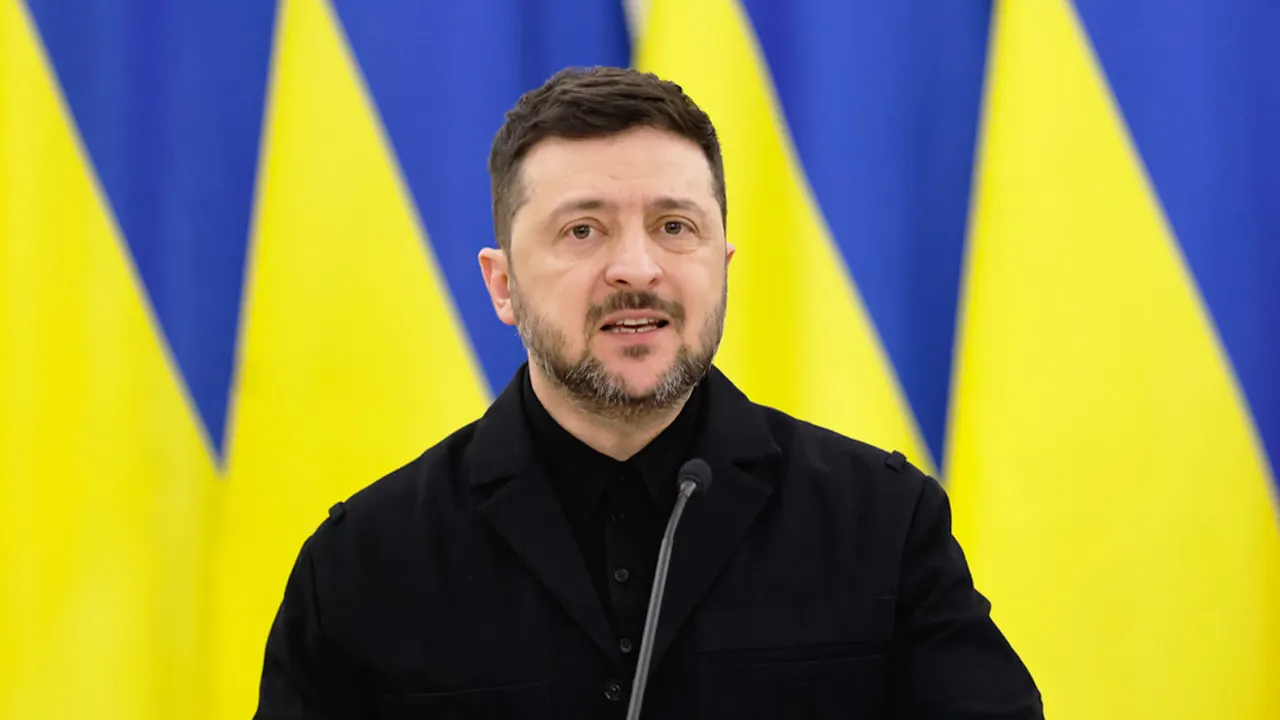
Ukrainian President Volodymyr Zelenskyy announced Sunday that a new round of trilateral talks involving Ukraine, the United States, and Russia will take place Wednesday and Thursday in Abu Dhabi, as Kyiv continues to seek diplomatic pathways to end the nearly four-year war.
“Ukraine is ready for a substantive discussion, and we are interested in ensuring that the outcome brings us closer to a real and dignified end to the war,” Zelenskyy wrote on social media platform X.
The announcement comes at a critical moment as Russia intensifies attacks on Ukraine’s energy infrastructure, creating severe hardships for civilians amid plunging winter temperatures. Ukrainian officials have consistently accused Moscow of deliberately targeting power grids, heating systems, and water facilities as part of a strategy to weaponize winter conditions against the civilian population.
Ukraine’s State Emergency Service has warned that the country is facing one of its coldest periods of the season, with temperatures expected to fall as low as minus-22 degrees Fahrenheit in some regions, exacerbating the humanitarian crisis for those affected by power outages.
President Donald Trump stated late last week that Russian President Vladimir Putin had agreed to temporarily halt strikes on Kyiv and other Ukrainian cities during the extreme cold spell following a personal request from the U.S. president.
“I personally asked President Putin not to fire on Kyiv and the cities and towns for a week during this extraordinary cold,” Trump said during a White House Cabinet meeting, adding that Putin had “agreed to that.” However, the White House has not provided specific details regarding the timing or scope of this purported pause in hostilities.
Ukrainian officials have expressed skepticism about Russia’s intentions. On Thursday, Zelenskyy noted that while there had been a temporary reduction in attacks on energy infrastructure, Russian drones and missiles continued to target residential areas and logistics hubs across Ukraine.
“I do not believe that Russia wants to end the war. There is a great deal of evidence to the contrary,” Zelenskyy stated.
The upcoming talks in Abu Dhabi represent the latest diplomatic effort in a conflict that has caused thousands of casualties and displaced millions of Ukrainians since February 2022. Zelenskyy identified several key obstacles to reaching a peace agreement, including the future status of Ukrainian territories currently occupied by Russia and Moscow’s demands for lands it has not yet captured on the battlefield.
Military analysts have noted that Russia’s targeting of critical infrastructure has been a consistent tactic throughout the conflict, with attacks typically intensifying during winter months when civilian dependence on heating and electricity increases. Recent missile strikes have damaged power facilities in several Ukrainian regions, compounding challenges for a population already struggling with shortages of essential services.
In cities like Kharkiv, which sits close to the Russian border and has faced consistent bombardment, emergency crews have been working continuously to repair damaged facilities. Firefighters were seen responding to a private enterprise hit by Russian missiles on January 30, one of many similar incidents reported across the country’s eastern regions.
The trilateral talks come as Ukraine continues to push for international support while facing battlefield challenges. Despite Trump’s suggestion that Putin’s agreement to a temporary pause represents a concession, many Ukrainian officials view it as a tactical move rather than evidence of genuine interest in ending the conflict.
As the war approaches its fourth anniversary on February 24, the scheduled meetings in Abu Dhabi may represent one of the most significant diplomatic opportunities in months to establish meaningful parameters for potential peace negotiations.
Fact Checker
Verify the accuracy of this article using The Disinformation Commission analysis and real-time sources.

12 Comments
Interesting development in the Ukraine conflict. Negotiations are crucial for a peaceful resolution, but the hardships faced by civilians are heartbreaking. Hopefully, these talks can find a dignified path to end the war.
Indeed, the targeting of civilian infrastructure is a major concern. A long-term solution requires addressing the root causes and finding common ground between the parties.
While the prospect of renewed negotiations is encouraging, the continued Russian strikes on Ukraine’s critical infrastructure raise serious doubts about Moscow’s commitment to a peaceful settlement. A lasting solution must address these humanitarian issues.
You make a fair point. The Kremlin’s actions seem to contradict its stated willingness to negotiate. The talks will need to tackle this disconnect if any progress is to be made.
The announcement of new peace talks is a positive sign, but the ongoing attacks on Ukraine’s energy grid are deeply concerning. I hope the negotiations can make meaningful progress towards a sustainable ceasefire.
Agreed. The civilian impact of the war is devastating, and a diplomatic solution is crucial to prevent further suffering. The talks in Abu Dhabi will be closely watched.
While the prospect of negotiations is encouraging, the continued Russian strikes on Ukraine’s energy grid raise serious concerns about Moscow’s willingness to find a peaceful solution. A diplomatic resolution must prioritize the needs and security of the Ukrainian people.
Agreed. The talks will need to navigate these complex issues and find a way to balance the interests of all parties involved. A lasting peace will require compromise and goodwill on all sides.
The announcement of new peace talks is a welcome development, but the ongoing attacks on Ukraine’s infrastructure are deeply troubling. A lasting peace will require addressing the root causes of the conflict and ensuring the protection of civilian populations.
You’re right. The talks must address the critical humanitarian issues and lay the groundwork for a sustainable ceasefire. Anything less would be a disservice to the Ukrainian people.
Ukraine’s quest for a ‘dignified end to the war’ is understandable, but the path forward remains uncertain. These talks will be a crucial test of whether both sides are genuinely ready to compromise and find a diplomatic solution.
Absolutely. The stakes are high, and the humanitarian toll continues to mount. I hope the parties can put aside their differences and focus on the wellbeing of the Ukrainian people.