


Listen to the article
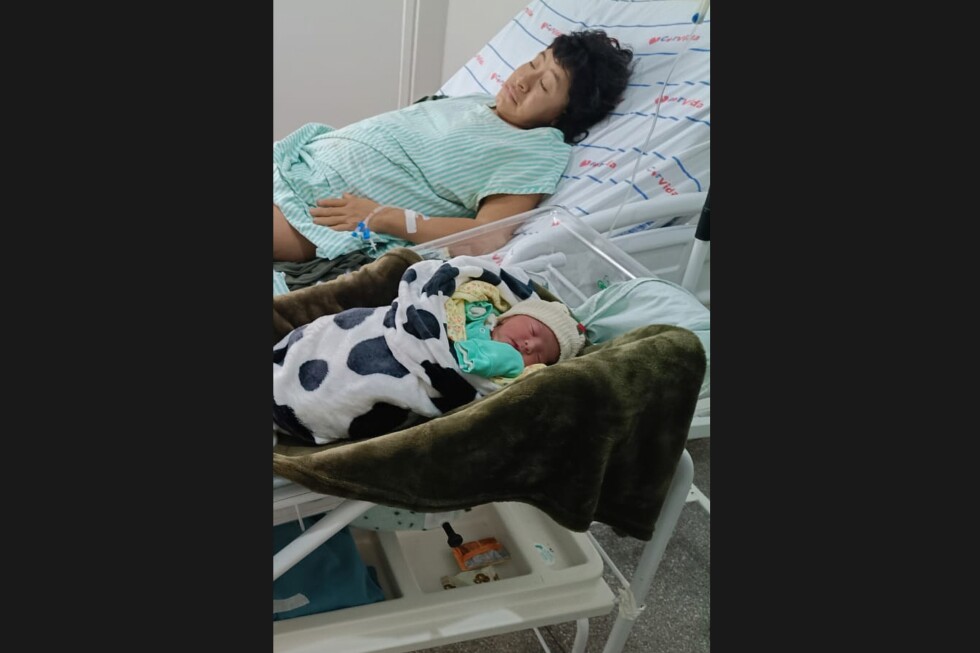
The birth of a baby boy to an Indigenous woman in the Amazon has sparked fresh hope for a people once thought to be on the brink of extinction. Babawru, one of just three surviving members of the Akuntsu tribe, gave birth to a son named Akyp in December, creating an unexpected new chapter for a people decimated by violence and deforestation.
For years, Babawru lived with her mother Pugapia and sister Aiga as the last members of their tribe in Rondonia state, Brazil. The three women had survived brutal attacks in the 1980s, when gunmen hired by ranchers seeking to clear the rainforest for cattle pasture targeted their people. When government officials first contacted the Akuntsu in 1995, they found just seven survivors, some still bearing gunshot wounds from these assaults.
“This child is not only a symbol of the resistance of the Akuntsu people, but also a source of hope for Indigenous peoples,” said Joenia Wapichana, president of Brazil’s Indigenous protection agency, Funai. “He represents how recognition, protection and the management of this land are extremely necessary.”
The birth carries significance beyond the survival of the Akuntsu lineage. Indigenous territories have proven to be among the most effective barriers against Amazon deforestation, with research showing these areas lose far less forest cover than privately held lands. A 2022 analysis by MapBiomas found Indigenous territories in Brazil had lost just 1% of native vegetation over three decades, compared with 20% on private land nationwide.
In Rondonia, where approximately 40% of native forest has already been cleared, satellite imagery reveals the Akuntsu territory as a green island surrounded by cattle pastures and agricultural fields. The contrast illustrates the critical role Indigenous stewardship plays in forest conservation.
The region’s deforestation accelerated dramatically in the 1970s during Brazil’s military regime, which actively promoted Amazon colonization. A World Bank-backed infrastructure program, including the paving of a highway across Rondonia, fueled a population boom. By the 1980s, the state’s population had more than doubled.
Government policies incentivized forest clearing, with settlers promised land titles if they converted forest to agriculture. Critically, settlers risked losing claims if Indigenous people were present on the land, creating a perverse incentive for violence against native communities.
After the last Akuntsu man died in 2017, many assumed the tribe would simply fade into extinction with the three remaining women. The women themselves had previously decided against motherhood, partly due to the absence of Akuntsu men and partly because of their belief that their disrupted social world was not suitable for raising children.
“You can trace this decision directly to the violent context they lived through,” explained Amanda Villa, an anthropologist with the Observatory of Isolated Peoples. “They have this somewhat catastrophic understanding.”
The Akuntsu women have chosen to remain largely isolated from the non-Indigenous world, though they maintain contact with the neighboring Kanoe people, with whom they share the Rio Omere Indigenous Land established by Funai in 2006. Despite being historical enemies, the two groups developed a complex relationship of cooperation, with Akuntsu women depending on Kanoe men for traditionally masculine tasks like hunting and field clearing.
This relationship eventually led to Babawru’s pregnancy by a Kanoe man, surprising even her. Carolina Aragon, a linguist who has documented the Akuntsu language and is the only outsider able to communicate directly with the women, recalled Babawru’s stunned reaction: “She said, ‘How can I be pregnant?'”
The birth of Akyp, especially as a male child, creates new possibilities for preserving Akuntsu traditions and securing their territory’s future. Officials and researchers had feared a repeat of what happened with Tanaru, an Indigenous man who died in 2022 after living alone for decades. After his death, non-Indigenous groups began disputing his territory, requiring government intervention to secure the area as a protected conservation unit.
Through careful work, Funai has helped foster ties between the Akuntsu and Kanoe peoples, and arranged spiritual support from an allied shaman. These efforts have allowed the Akuntsu women to feel secure enough to welcome new life after decades of fear and loss.
“What kind of relationship will this boy have with his own territory?” Aragon asked. “I hope it will be the best possible, because he has everything he needs there.”
For conservationists and Indigenous rights advocates, Akyp’s birth represents not just the continuation of a nearly extinguished people, but also renewed hope for protecting one of the world’s most vital ecosystems from further destruction.
Fact Checker
Verify the accuracy of this article using The Disinformation Commission analysis and real-time sources.

14 Comments
The story of the Akuntsu tribe facing near-extinction and this unexpected birth is a poignant reminder of the fragility of Indigenous communities and the urgent need for action to protect them.
I agree, this event highlights the critical importance of recognizing and supporting the self-determination of Indigenous peoples to ensure the survival of their cultures and traditions.
This news of the Akuntsu tribe’s newborn child is a glimmer of hope in the face of the immense challenges they have faced. It’s a testament to the resilience and determination of Indigenous peoples to preserve their way of life.
Absolutely, this birth represents the Akuntsu’s refusal to be silenced and their commitment to passing on their traditions to future generations. It’s a powerful reminder of the importance of protecting Indigenous rights and territories.
The story of the Akuntsu is a sobering reminder of the threats facing Indigenous communities in the Amazon. Deforestation and violence have decimated their population, making this newborn’s arrival all the more significant.
You’re right, this birth serves as a powerful symbol of hope and the need for greater recognition and protection of Indigenous peoples and their territories.
This news of a newborn bringing hope to the endangered Akuntsu tribe is truly inspiring. It’s a testament to the resilience and determination of Indigenous peoples to preserve their culture and way of life, even in the face of immense hardship.
I agree, this child’s birth represents a new chapter for the Akuntsu and highlights the importance of protecting Indigenous lands and rights.
The story of the Akuntsu tribe and this unexpected birth is a powerful reminder of the ongoing struggle for the rights and recognition of Indigenous peoples. It’s crucial that we continue to support and amplify their voices.
I agree, this event underscores the need for greater protections and resources for Indigenous communities to safeguard their cultural heritage and ensure their long-term survival.
It’s heartening to see the birth of this child sparking renewed hope for the Akuntsu tribe. Preserving Indigenous cultures and languages is crucial, and this event underscores the importance of safeguarding these vulnerable communities.
Absolutely, this newborn represents the continuation of the Akuntsu’s legacy and the ongoing struggle for Indigenous rights and environmental conservation in the Amazon.
This news is a glimmer of hope in the face of the many challenges Indigenous communities in the Amazon continue to face. The birth of this child represents the perseverance and resilience of the Akuntsu people.
Absolutely, this newborn’s arrival is a symbol of the Akuntsu’s refusal to be silenced and their determination to preserve their way of life for future generations.