


Listen to the article
Recent fighting in northeast Syria between government forces and Kurdish fighters has escalated to an alarming degree, bringing combat dangerously close to detention facilities housing thousands of Islamic State group members. In response, the U.S. military has begun transferring many detainees to secure locations in Iraq.
Syrian government troops have already seized control of one detention facility where approximately 9,000 IS members were held. At the Shaddadeh prison near the Iraqi border, around 120 inmates escaped on Monday, though Syrian authorities report that most have since been recaptured.
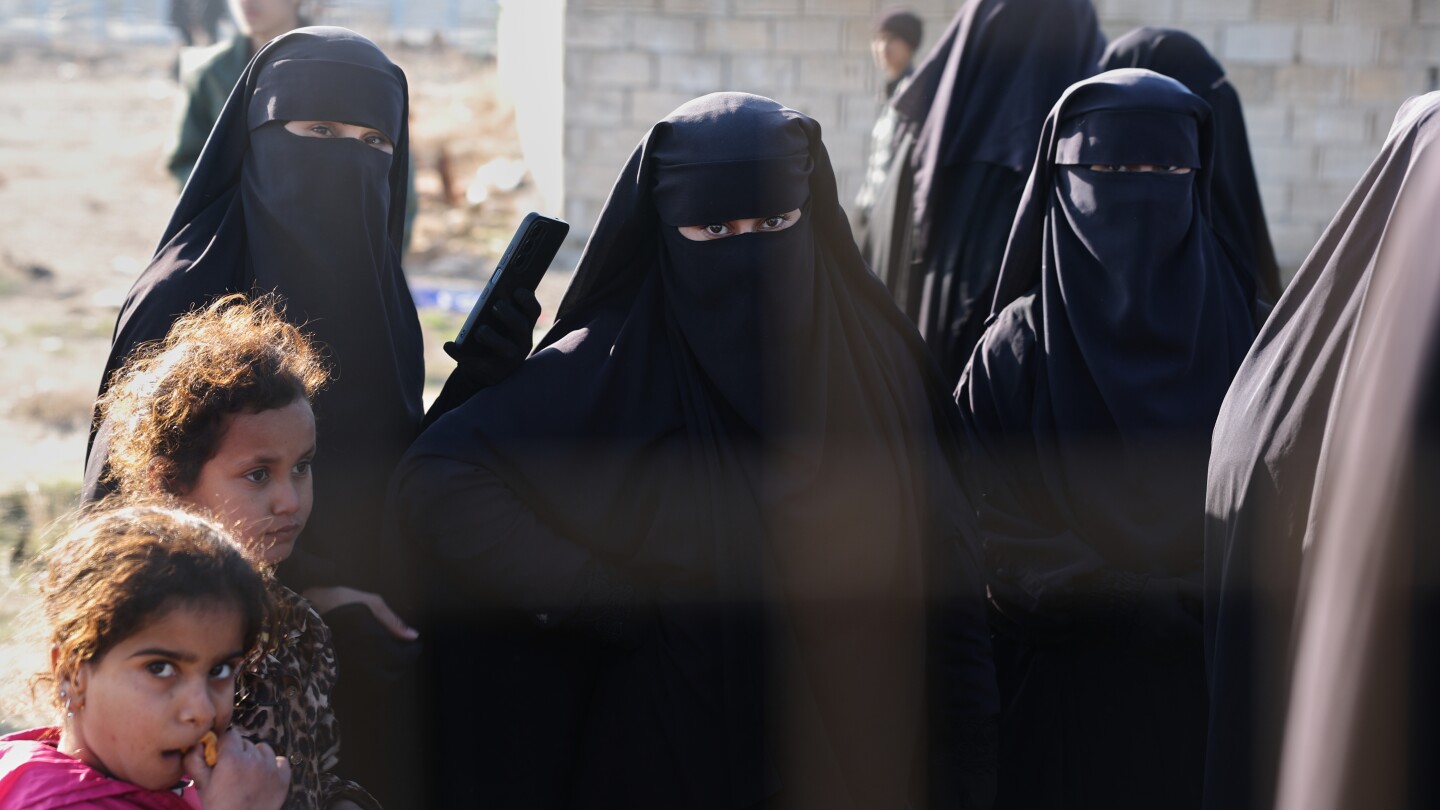
These detention centers were established during the decade-long campaign waged by the Kurdish-led Syrian Democratic Forces (SDF) against IS, during which thousands of fighters from various nationalities were captured. The SDF, with U.S. backing, also detained tens of thousands of women and children with IS connections, primarily housing them in the sprawling al-Hol camp near Iraq, with others at the smaller Roj camp near the convergence of Syrian, Turkish, and Iraqi borders.
U.S. Central Command confirmed that the transfer process began Wednesday, with 150 IS members already relocated to “secure locations” in Iraq. The operation could ultimately involve moving up to 7,000 detainees to Iraqi-controlled facilities.
The relocations come as Syrian government forces loyal to President Ahmad al-Sharaa have launched a surprising offensive, capturing extensive territories previously controlled by the SDF. Government troops now control the al-Hol camp and Shaddadeh prison, and are positioned near several other detention centers and the Roj camp. Additionally, tensions have escalated around al-Aqtan prison in Raqqa province, which is now surrounded by government forces.
Despite these developments, with the exception of the Shaddadeh incident, no other IS suspects have managed to escape. Syria’s government, which joined the U.S.-led coalition against IS in late 2025, has stated its readiness to take over the management of these facilities and reaffirmed its commitment to fighting extremism.
The potential escape of IS detainees raises serious security concerns. During its 2014 declaration of a caliphate across large portions of Syria and Iraq, IS attracted extremists worldwide and orchestrated attacks that killed hundreds globally. The group became notorious for its brutality, including the enslavement of thousands of Yazidi women and girls during their 2014 northern Iraq campaign.
IS militants publicized their atrocities through videos showing beheadings and amputations for alleged crimes. Women accused of adultery were stoned to death, while gay individuals were thrown from buildings. Any escapees could potentially join the group’s sleeper cells that continue to carry out deadly attacks.
The detention network spans multiple facilities across northern and northeastern Syria. According to U.S. State Department reports, approximately 9,000 IS fighters, including 1,600 Iraqis and 1,800 fighters from countries outside Syria and Iraq, have been held in SDF-controlled facilities.
The largest facility is Gweiran prison (now called Panorama) in Hassakeh, which remains under SDF control and has housed about 4,500 IS-linked detainees. Other key detention centers include the Shaddadeh prison, al-Aqtan prison near Raqqa (IS’s former de facto capital), Cherkin prison in Qamishli, and Derik prison near the Iraq-Turkey border.
An Iraqi intelligence general, speaking anonymously, confirmed to The Associated Press that Iraqi authorities received the first batch of 144 detainees on Wednesday night, with subsequent transfers to be conducted by aircraft. The transferred IS members include approximately 240 Tunisians and others from countries like Tajikistan and Kazakhstan.
“They will be interrogated and then put on trial. All of them are commanders in IS and are considered highly dangerous,” the general said. He added that in previous years, 3,194 Iraqi detainees and 47 French citizens had been transferred to Iraq, noting challenges in securing adequate detention facilities despite designated secure units.
The al-Hol camp, now fully controlled by Syrian troops, housed about 73,000 people at its 2019 peak following IS’s defeat in Syria. The population has since decreased to approximately 24,000 as some countries have repatriated their citizens. The camp has been plagued by internal violence from IS sleeper cells targeting women who distanced themselves from the group’s ideology.
The smaller Roj camp houses about 2,500 people, including Shamima Begum, who left Britain as a teenager nearly 11 years ago to join IS.
Fact Checker
Verify the accuracy of this article using The Disinformation Commission analysis and real-time sources.

9 Comments
The situation in northeast Syria is rapidly deteriorating, and the urgent need to secure IS detainees is clear. However, the long-term strategy for managing this population remains uncertain and will require sustained international cooperation and support.
The scale of the IS detainee population, with thousands being held, underscores the immense challenge facing regional authorities. Careful coordination and sufficient resources will be critical to ensuring these prisoners remain securely detained during the transfer process and beyond.
With Syrian government forces seizing control of an IS detention facility, the risk of mass prisoner releases or escapes is heightened. Transferring detainees to Iraq may be the best option to maintain custody and prevent a dangerous exodus of hardened militants.
While the transfer of IS prisoners to Iraq may be a necessary security measure, it also raises concerns about the potential for human rights abuses and due process violations. Strict oversight and adherence to international standards will be essential.
You raise a valid point. The treatment and rights of these detainees must be closely monitored to prevent any mistreatment or abuse during the transfer and detention in Iraq.
The situation in northeast Syria remains highly volatile, with the SDF-controlled detention facilities in the crosshairs. Transferring these dangerous prisoners to more secure locations in Iraq is a pragmatic step, but the long-term management of these detainees remains a major challenge.
This is certainly a concerning development. The transfer of IS prisoners to Iraq raises security risks, but may be necessary to prevent their escape or release. It will be important to ensure proper safeguards and detention conditions are maintained during the transfer process.
The escape of 120 IS inmates is deeply troubling. While the majority have been recaptured, this incident underscores the fragility of the detention system in the region. Careful coordination between the SDF, US, and Iraqi authorities will be crucial to prevent further breakouts.
Absolutely. The security of these detention facilities needs to be the top priority to avoid a resurgence of ISIS in the region.