


Listen to the article
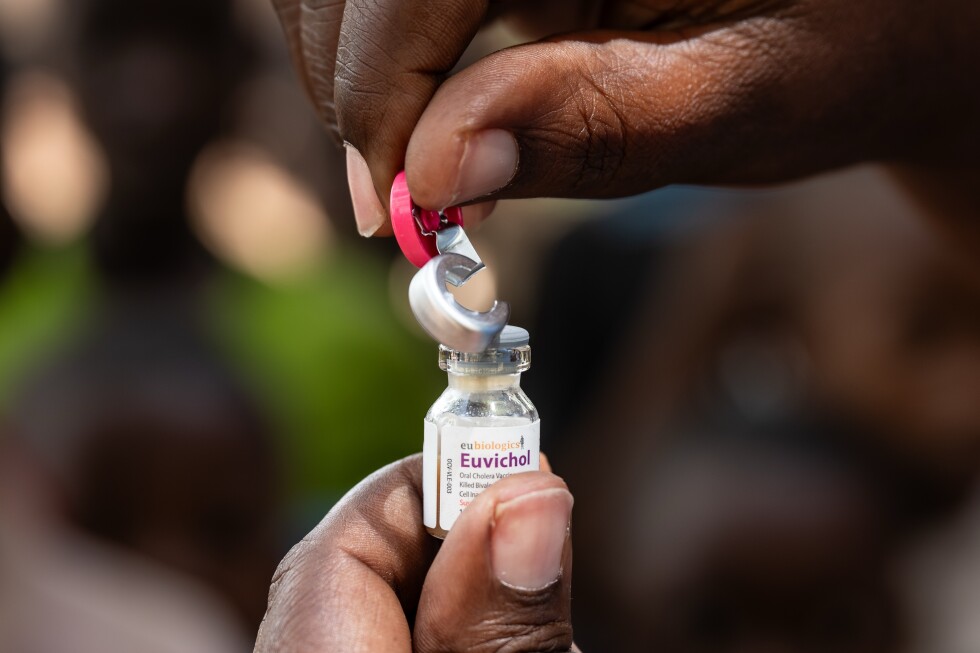
After nearly four years of suspension, global preventive cholera vaccination programs are set to resume following improvements in vaccine supply, the World Health Organization announced Wednesday. The decision marks a significant shift in strategy from reactive to preventative approaches in combating the waterborne disease.
Stocks of oral cholera vaccines in the global stockpile, jointly managed by WHO, vaccine alliance GAVI, and UNICEF, have recovered to nearly 70 million doses in 2023. This represents a substantial increase from the critical shortage declared in 2022, when supplies fell to 35 million doses amid surging demand from countries battling outbreaks.
“Global vaccine shortages forced us into a cycle of reacting to cholera outbreaks instead of preventing them. We are now in a stronger position to break that cycle,” said WHO Director-General Tedros Adhanom Ghebreyesus in a statement.
The organizations announced that an initial allocation of 20 million doses is already being distributed to high-priority regions. Mozambique will receive 3.6 million doses, particularly critical following devastating floods last month that affected approximately 700,000 people and heightened the risk of cholera outbreaks. The Democratic Republic of Congo will get 6.1 million doses, while Bangladesh is slated for 10.3 million doses.
Cholera, an acute diarrheal infection caused by ingesting food or water contaminated with the bacterium Vibrio cholerae, remains a persistent threat in regions facing poverty, conflict, or climate disasters. These conditions often disrupt access to clean water, damage sanitation infrastructure, and overwhelm healthcare systems.
Climate change has played a significant role in the global upsurge of cholera that began in 2021, according to WHO. More frequent and intense storms, flooding events, and changing precipitation patterns have created conditions conducive to the spread of waterborne diseases, particularly in vulnerable communities with limited resources.
The vaccine stockpile is designed to provide free vaccines to countries in need, but the shortage in recent years forced health authorities to implement a reactive strategy, deploying limited supplies only in response to active outbreaks rather than preventing them in high-risk areas.
Despite the improved vaccine supply, health officials will maintain the one-dose vaccination strategy that was adopted during the shortage period, rather than returning to the standard two-dose regimen. The WHO indicated that two-dose campaigns would be considered on a case-by-case basis, likely prioritizing areas with extreme vulnerability or persistent outbreaks.
The disease burden remains substantial, with over 600,000 cholera cases and nearly 7,600 deaths reported to WHO in 2023. While case numbers showed a decline in 2023 after several years of consecutive increases since 2021, cholera-related mortality continued to rise, underscoring the disease’s deadly impact when prevention and treatment are inadequate.
The resumption of preventive vaccination campaigns represents a crucial step in global cholera control efforts, particularly for communities where access to clean water, adequate sanitation, and healthcare remain limited. However, experts emphasize that vaccination alone cannot eliminate cholera – sustainable improvements in water and sanitation infrastructure, along with strengthened healthcare systems, remain essential for long-term disease control.
For regions like Mozambique, where recent flooding has created conditions ripe for disease spread, the timing of this vaccine allocation could prove lifesaving as authorities work to prevent a major cholera outbreak amid ongoing recovery efforts.
Fact Checker
Verify the accuracy of this article using The Disinformation Commission analysis and real-time sources.

10 Comments
Glad to see the global stockpile of oral cholera vaccines has recovered to nearly 70 million doses. That should provide more flexibility to respond to outbreaks and ramp up preventive efforts.
Definitely, the increase from 35 million doses last year is a significant improvement. Hopefully this will help break the cycle of reactive responses to cholera.
Strengthening preventive cholera vaccination programs is crucial, especially in regions prone to outbreaks. I hope the WHO’s renewed focus in this area pays dividends in terms of reduced disease burden and saved lives.
Well said. Proactive vaccination is so much more effective than just responding to outbreaks. This is an important step forward in the fight against cholera.
Great to hear the WHO is restarting preventive cholera vaccination programs. Ensuring adequate vaccine supply is crucial to break the cycle of reactive responses and move towards proactive prevention. I hope this helps reduce cholera outbreaks and save lives in vulnerable regions.
Agreed, proactive prevention is always better than just reacting to outbreaks. Distributing those initial 20 million doses to high-priority areas is a smart move.
The decision to shift from a reactive to a preventative strategy on cholera is very encouraging. Proactive vaccination efforts can make a big difference in protecting vulnerable populations.
You’re right, this is a smart move by the WHO. Allocating those initial 20 million doses to high-risk regions like Mozambique is a prudent step.
Cholera is a serious public health threat, so I’m glad to see the WHO taking steps to ramp up preventive vaccinations. Rebuilding the global stockpile to 70 million doses is an impressive achievement.
Absolutely. The increase from the critical shortage of just 35 million doses last year is a real turnaround. Hopefully this will help the WHO get ahead of outbreaks going forward.