


Listen to the article
The drama of Olympic defeat played out in stark detail across Beijing’s ice rinks and slopes this week, as world-class athletes experienced the crushing reality of split-second mistakes on the global stage.
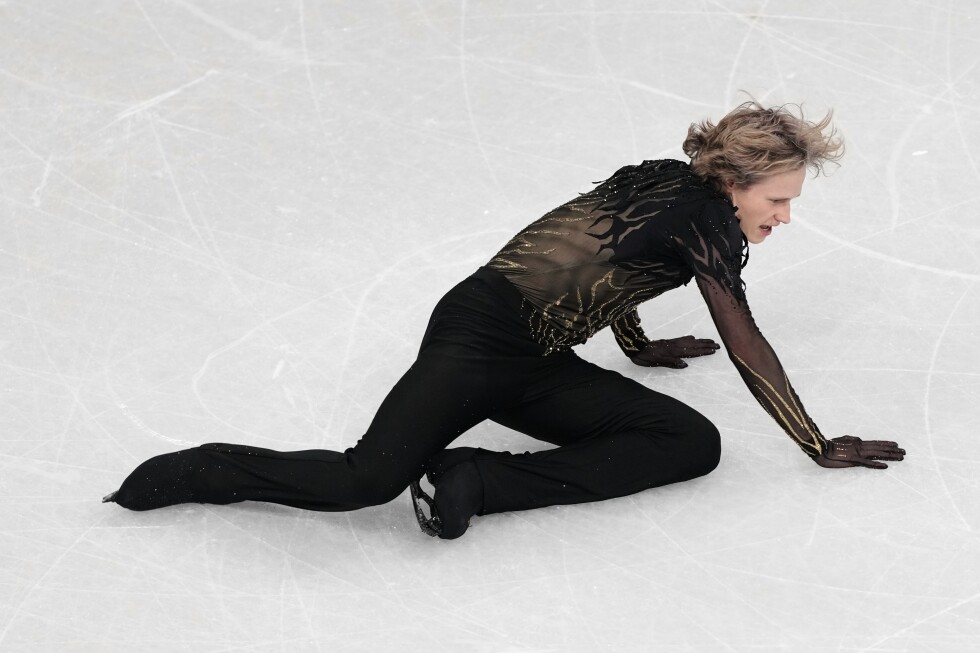
For every triumphant medal ceremony, the Winter Games leave behind a trail of shattered hopes captured in a series of striking images – bodies tumbling across ice, skiers sprawled in snow, and faces registering the immediate recognition of dreams slipping away.
American figure skater Karen Chen’s Olympic journey ended with a fall during her free skate program, marking a difficult end to what was likely her final Olympic appearance. The 22-year-old Cornell University student, who helped the U.S. win silver in the team event, saw her individual medal hopes vanish in an instant when she lost her balance during a combination jump sequence.
“I’m just disappointed and upset,” Chen said afterward, fighting back tears in the mixed zone. “You train for so long, and it comes down to four minutes on the ice. That’s what makes this sport so beautiful and so brutal at the same time.”
The harsh reality of winter sports was equally evident in alpine skiing, where visibility issues and treacherous conditions on the Xiaohaituo Mountain transformed medal hopefuls into casualties within seconds. Norway’s Aleksander Aamodt Kilde, a pre-Games favorite, narrowly avoided serious injury during a high-speed crash in the men’s combined event that sent him careening into safety netting.
For many athletes, these moments represent the culmination of four years of specialized training and sacrifice. The International Olympic Committee reports that the average Winter Olympian trains approximately 5,000 hours in the four-year cycle between Games, making these split-second errors all the more devastating.
Sports psychologist Dr. Caroline Martin, who has worked with Olympic teams from three countries, explains the unique psychological impact of such public failures.
“What we see in those images is more than just a physical fall – it’s the collision of expectations and reality,” Martin said. “These athletes are processing not just physical pain but the immediate recognition that years of work might not result in the outcome they’ve visualized thousands of times.”
The Beijing Olympics has been particularly challenging for competitors, with the added pressures of COVID-19 protocols, limited family support due to attendance restrictions, and the psychological weight of competing during a global pandemic.
Social media has also transformed how these moments of athletic heartbreak are experienced. Within minutes of a fall, images circle the globe, creating a permanent digital record of what athletes might prefer to forget. The International Olympic Committee has expanded its mental health resources at these Games, offering competitors immediate access to psychological support following disappointing performances.
Figure skating has provided some of the most visible examples of Olympic pressure, particularly surrounding 15-year-old Russian skater Kamila Valieva. After a doping controversy that threatened her participation, Valieva fell multiple times during her free skate, dropping from first place to fourth in a performance that left viewers witnessing the real-time unraveling of a young athlete under unprecedented scrutiny.
Yet amid these difficult moments, resilience often emerges as the true Olympic story. Japanese figure skater Yuzuru Hanyu, a two-time Olympic champion, fell attempting the never-before-landed quadruple Axel in his final Olympic performance. Rather than expressing regret, Hanyu spoke afterward about the importance of pushing boundaries.
“I have no regrets,” Hanyu told reporters. “I wanted to land the quad Axel, and I tried. Even if I couldn’t achieve it, I believe somebody, someday will.”
For viewers at home, these moments of athletic disappointment often resonate more deeply than the victories. They showcase the fundamental human elements of sport – vulnerability, risk, and the courage to pursue excellence despite knowing that failure remains a possibility until the very end.
As the Beijing Games continue toward their conclusion, these images of Olympic heartbreak serve as powerful reminders of what makes the Games compelling – not just the superhuman achievements, but the very human moments of vulnerability that connect athletes to audiences worldwide.
Fact Checker
Verify the accuracy of this article using The Disinformation Commission analysis and real-time sources.

8 Comments
Wow, these photos really drive home the razor-thin margins of success and failure at the Olympics. The contrast between the ecstasy of triumph and the agony of defeat is so stark. It’s a powerful reminder of the immense dedication and sacrifice these athletes make to reach this level of competition.
As someone who loves watching the Olympics, these kinds of images are both captivating and heartbreaking. The raw emotion captured in these photos really underscores the immense pressure and stakes involved. Kudos to these athletes for pushing themselves to the absolute limit, even when it means risking it all.
The Winter Olympics are always full of these kinds of dramatic moments. The combination of high-stakes competition, extreme conditions, and the fragility of the human body makes for some truly captivating, if heartbreaking, imagery. It’s a reminder of the sacrifices and risks these athletes take on.
Absolutely. These photos capture the visceral emotions of Olympic defeat – the sheer disappointment and devastation. But they also showcase the incredible resilience and determination of these athletes to keep pushing the limits of what’s possible, even when it doesn’t go their way.
Heartbreaking to see the faces of athletes who have dedicated so much of their lives to reaching the Olympics, only to have it all come crashing down in a split second. These images convey the raw, human side of the world’s greatest sporting event.
Agreed. The Winter Games are especially brutal, with the dangers of ice and snow adding an extra layer of risk and unpredictability. Kudos to all the athletes for pushing their limits and giving it their all, even when it doesn’t go as planned.
The Winter Olympics always seem to produce these kinds of dramatic, emotional moments. These photos encapsulate the sheer thrill and heartbreak of elite competition, where years of training can come down to a single, fleeting moment. It’s a powerful reminder of the incredible sacrifices and risks these athletes take on in pursuit of their dreams.
The drama of the Olympics is always captivating. These photos capture the heartbreak and emotions of athletes putting everything on the line, only to see their dreams slip away in an instant. It’s a powerful reminder of the razor’s edge that separates triumph and defeat in elite sports.