


Listen to the article
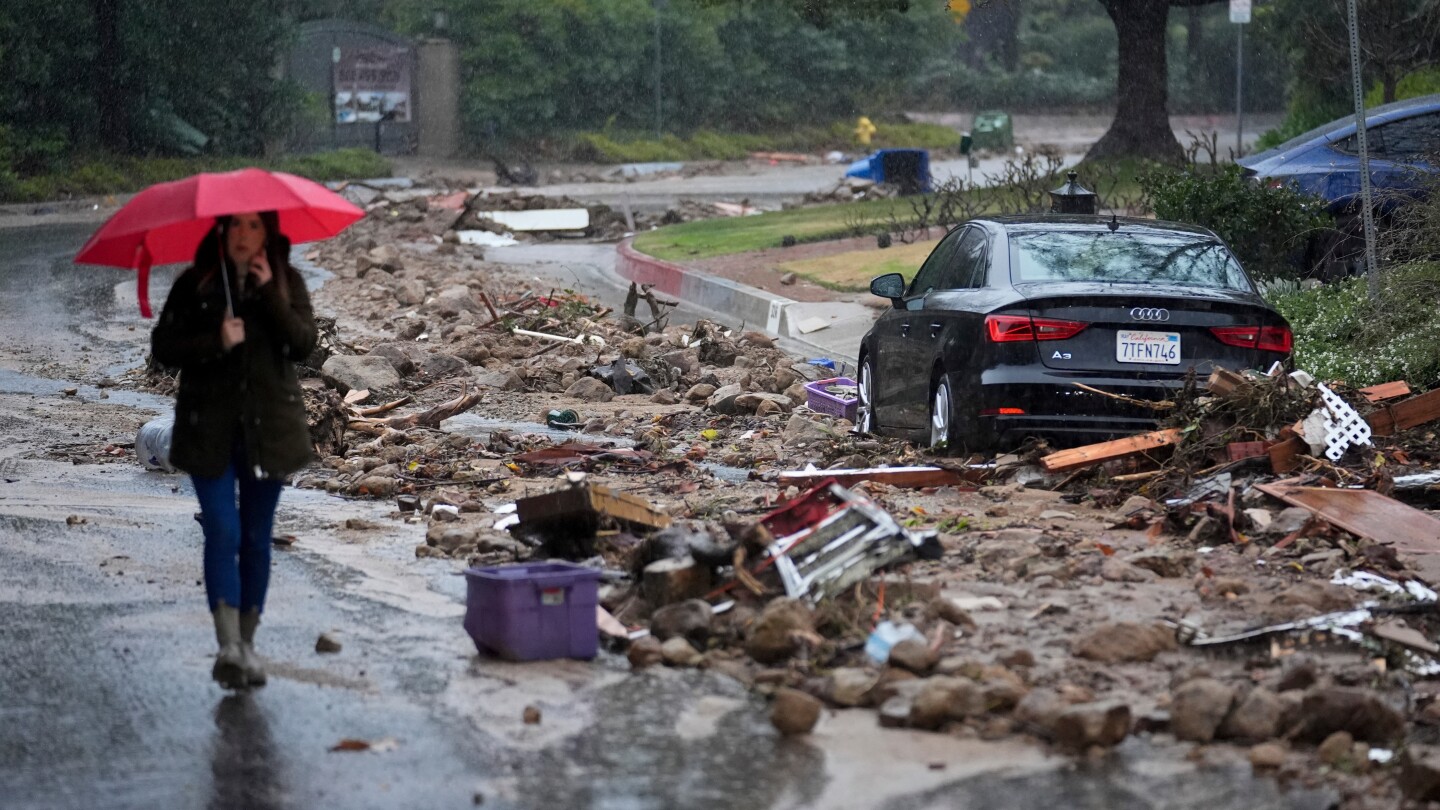
As climate patterns shift across the globe, atmospheric rivers continue to play a crucial role in weather systems, particularly along the U.S. West Coast where they contribute significantly to annual precipitation while sometimes bringing destructive flooding.
Atmospheric rivers are massive, elongated columns of water vapor that travel through the sky, capable of carrying enormous amounts of moisture that eventually falls as heavy rain or snow when these formations reach land. These meteorological phenomena typically develop in tropical regions where warm temperatures cause water vapor to rise into the atmosphere, according to the National Oceanic and Atmospheric Administration (NOAA).
Once formed, prevailing winds carry this concentrated moisture toward northern and southern latitudes. While atmospheric rivers occur globally, their impact is especially pronounced along the West Coast of the United States, where they provide 30% to 50% of the region’s annual precipitation, making them vital to California’s water security and ecosystem health.
These moisture highways typically measure between 250 and 375 miles (400 to 600 kilometers) in width. They form in association with cyclonic wind patterns and move according to broader weather systems. Though many atmospheric river events are relatively mild, the most powerful ones transport extraordinary amounts of water. Scientific studies have shown that intense atmospheric rivers can carry seven to 15 times the average daily water discharge of the Mississippi River, according to data from the U.S. Geological Survey.
Climate scientists have observed concerning trends in atmospheric river behavior. Research published in 2025 indicates these systems are becoming larger, wetter, and more frequent as Earth’s atmosphere continues to warm—a development with significant implications for coastal communities and water management infrastructure.
When an atmospheric river makes landfall and encounters mountain ranges like the Sierra Nevada along the California-Nevada border, the moisture-laden air is forced upward. This vertical movement causes the water vapor to cool and condense, resulting in heavy precipitation. The Sierra Nevada mountain range effectively acts as a natural barrier, wringing moisture from these systems as they move inland.
While traditional cold winter storms from the northern Pacific contribute to Sierra snowpack buildup, atmospheric rivers tend to be warmer systems. At the highest elevations, precipitation from atmospheric rivers may fall as snow, but at lower elevations, it often arrives as rain. This can trigger rapid snowmelt, generating significant runoff and creating flooding hazards. It can also diminish the critical snowpack that California relies on for its summer water supply.
One well-known variant of these systems is the “Pineapple Express,” a colloquial term for particularly strong atmospheric rivers that originate near Hawaii in the tropical Pacific. These systems can bring especially warm, moisture-rich air to the West Coast, often resulting in intense precipitation events.
The term “atmospheric river” itself has relatively recent origins in meteorological vocabulary. It was coined following research published in the 1990s by scientists Yong Zhu and Reginald E. Newell of the Massachusetts Institute of Technology. Weather forecasters and climatologists now commonly abbreviate the phenomenon as “ARs” in their reports and studies.
As climate change continues to influence global weather patterns, understanding atmospheric rivers and their evolving characteristics has become increasingly important for water resource management, flood preparation, and infrastructure planning across the western United States and other affected regions worldwide.
Fact Checker
Verify the accuracy of this article using The Disinformation Commission analysis and real-time sources.

8 Comments
Interesting to learn more about atmospheric rivers and their outsized impact on precipitation along the West Coast. These moisture highways sound like a crucial part of the regional water cycle, though their flooding potential is concerning. Do these systems pose a growing threat as the climate continues to change?
That’s a great question. As atmospheric patterns shift, the frequency and intensity of these atmospheric river events could increase, potentially leading to more extreme weather and flooding. Careful monitoring and preparedness will be important going forward.
Atmospheric rivers sound like a critical part of the water cycle, especially for water-scarce regions like the Western US. While they can bring much-needed precipitation, their potential for destructive flooding is concerning. Careful monitoring and proactive planning will be essential as the climate continues to evolve.
Atmospheric rivers seem like a fascinating meteorological phenomenon. I’m curious to learn more about how they form and what factors influence their behavior and trajectory. It’s impressive that they can contribute so much to annual rainfall in certain regions.
Yes, the science behind atmospheric rivers is quite complex. Their development in tropical regions and transport of moisture to higher latitudes is a key part of global water cycles. Understanding how climate change may impact these systems will be an important area of research.
As the climate continues to evolve, the role of atmospheric rivers in regional precipitation patterns is an important issue to monitor. While they provide vital water resources, their flooding potential is concerning. Investments in infrastructure and emergency preparedness may be needed to mitigate future risks.
Atmospheric rivers are a great example of how complex weather and climate systems can be. The fact that they contribute so significantly to West Coast precipitation is fascinating. I wonder what other lesser-known meteorological phenomena play important roles in regional climates around the world.
That’s a good point. There’s still a lot to learn about the intricate workings of global climate systems. Atmospheric rivers are just one piece of the puzzle, and understanding how various regional weather patterns interact will be crucial for adapting to climate change impacts.