


Listen to the article
U.S. Airstrikes Against ISIS in Nigeria Mark Major Escalation in Regional Security Efforts
The United States conducted airstrikes against Islamic State group militants in northwestern Nigeria on Thursday, signaling a significant escalation in the fight against extremist groups that have plagued the West African nation for years. The operation targeted ISIS fighters in Sokoto state, where Nigeria’s military has struggled to contain various armed factions.
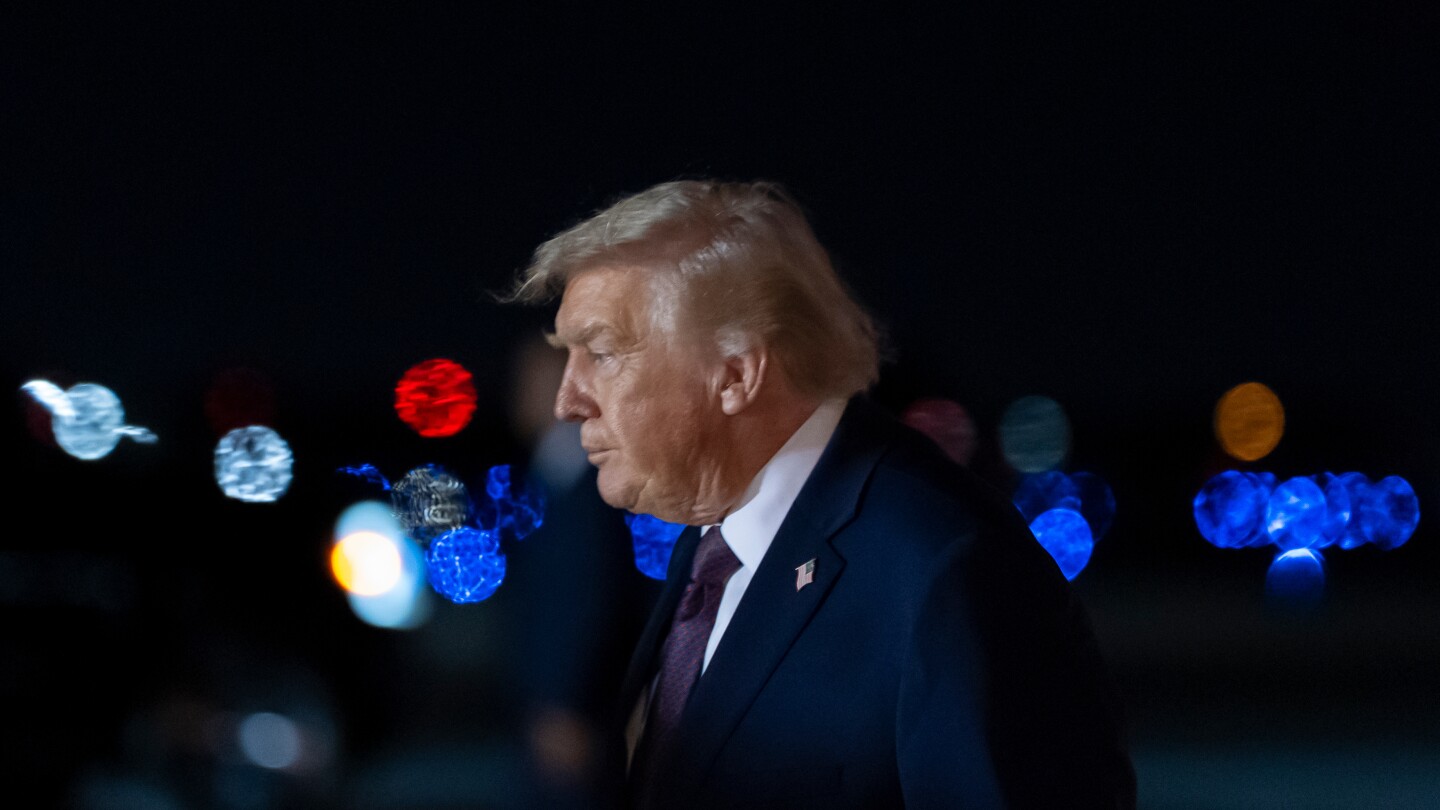
U.S. President Donald Trump characterized the strikes as “powerful and deadly,” claiming they were directed at ISIS gunmen who were “targeting and viciously killing, primarily, innocent Christians.” However, security analysts and local residents have consistently pointed out that Nigeria’s complex security crisis affects both Christians and Muslims across the country, with Muslims forming the majority in the northern regions where much of the violence occurs.
Nigerian authorities confirmed the strikes were conducted as part of ongoing intelligence sharing and strategic coordination between the two countries. The full impact of the operation remains unclear, but U.S. Defense Secretary Pete Hegseth hinted at continued military action in the region, posting on social media platform X: “More to come…”
The strikes likely targeted a group known locally as Lakurawa, officially called Islamic State Sahel Province (ISSP). This lesser-known ISIS affiliate has become increasingly lethal in Nigeria’s northwestern border states of Sokoto and Kebbi over the past year, regularly attacking remote communities and security forces.
According to military intelligence, Lakurawa established roots in neighboring Niger before expanding its operations into Nigeria’s vulnerable border communities. The group’s influence grew significantly following Niger’s 2023 military coup, which fractured diplomatic relations between the two countries and disrupted their joint counter-terrorism operations along the porous border region.
The history of Lakurawa’s presence in northwestern Nigeria dates back to approximately 2017, when the group was reportedly invited by traditional authorities in Sokoto to protect local communities from bandit groups. What began as a security arrangement quickly deteriorated.
“They overstayed their welcome, clashing with some of the community leaders and enforcing a harsh interpretation of Sharia law that alienated much of the rural population,” explained James Barnett, an Africa researcher with the Washington-based Hudson Institute.
Malik Samuel, a Nigerian security researcher with Good Governance Africa, notes the stark reversal in local sentiment: “Communities now openly say that Lakurawa are more oppressive and dangerous than the bandits they claim to protect them from.” The group now controls territories in both Sokoto and Kebbi states, where they have become notorious for killings, kidnappings, rape, and armed robbery.
Complicating matters further is the presence of Islamic State Sahel Province, which has expanded from Niger’s Dosso region into northwestern Nigeria. According to the U.S.-based Armed Conflict Location & Event Data Project, “ISSP has maintained a low profile, operating covertly to infiltrate and entrench itself along the Niger-Nigeria border, and is now also expanding its operations toward the Beninese border.”
Security experts emphasize that Nigeria’s militancy problems are deeply rooted in governance failures rather than simply military challenges. The near absence of state presence and security in conflict hotspots makes recruitment easy for extremist groups, particularly in regions experiencing the country’s highest levels of poverty, hunger, and unemployment.
Nigeria’s Minister of Defense Christopher Musa has acknowledged this reality, stating that military action represents only 30% of what is needed to address the country’s security crisis, with the remaining 70% dependent on effective governance.
“The absence of the state in remote communities is making it easy for non-state actors to come in and present themselves to the people as the best alternative government,” Samuel observed.
Thursday’s U.S. airstrikes are widely viewed by experts as critical assistance for Nigeria’s security forces, which are frequently outgunned and stretched thin across multiple security fronts throughout the country’s various regions. The Nigerian military regularly conducts its own airstrikes against militant hideouts and has initiated mass recruitment of security personnel, but these efforts have yielded limited results.
Analysts point out that military operations targeting these groups often lack sustainability, with militants easily relocating through vast forest networks connecting several northern states using motorcycles. Adding to the tactical challenges, these groups frequently use hostages—including kidnapped schoolchildren—as human shields, complicating air operations.
The U.S. intervention represents a significant shift in the international approach to combating extremism in West Africa, a region that has become an increasingly important front in the global fight against terrorist organizations seeking to establish new strongholds.
Fact Checker
Verify the accuracy of this article using The Disinformation Commission analysis and real-time sources.

10 Comments
While the US may have intelligence-sharing and strategic coordination with Nigeria, any military actions should be thoroughly vetted to ensure they align with the Nigerian government’s priorities and do not cause further harm to civilians.
Absolutely. Transparency and accountability between the US and Nigeria will be critical to maintaining public trust and avoiding unintended consequences.
Targeting ISIS-affiliated militants is understandable, but the broader security issues in Nigeria stem from deep-seated social, economic and political grievances. Addressing those root causes through inclusive development will be crucial.
The involvement of the US military in Nigeria raises questions about the long-term strategy and potential for mission creep. Maintaining a limited, supporting role while strengthening local security forces may be a more effective approach.
Agreed. The US should take care not to overextend itself in a complex conflict that requires nuanced, Nigerian-led solutions. Overreach could backfire and erode the government’s legitimacy.
It will be important to closely monitor the impact and aftermath of these US airstrikes. Collateral damage or unintended civilian casualties could severely undermine local support and trust in the government’s ability to protect its citizens.
This escalation of US involvement in Nigeria’s security situation is concerning. Airstrikes against militant groups are risky and could further destabilize the region if not handled carefully with local partners.
I agree, any foreign military intervention needs to be well-coordinated with the Nigerian government to avoid unintended consequences. Transparency and respect for local sovereignty will be key.
The complex dynamics of the conflict in northern Nigeria, with violence affecting both Christian and Muslim communities, underscores the need for a nuanced, inclusive approach to addressing the root causes. Simplistic narratives risk exacerbating tensions.
Well said. Any counterterrorism efforts must consider the wider social and political context to avoid further polarization and instead promote sustainable peace and security.