


Listen to the article
European Union leaders have approved a massive interest-free loan package for Ukraine, securing crucial financial support for the war-torn country through a compromise solution reached after intense overnight negotiations in Brussels.
The 27-nation bloc agreed to borrow $106 billion from capital markets to provide Ukraine with the funds it desperately needs for military and economic stability over the next two years. The agreement comes as Ukraine faces potential bankruptcy, with the International Monetary Fund estimating the country will require approximately €137 billion ($161 billion) in 2026 and 2027 alone.
The marathon negotiations revealed significant divisions among EU member states. European Commission President Ursula von der Leyen initially presented two funding proposals at Thursday’s summit. The first and preferred option involved utilizing some of the €210 billion ($246 billion) in Russian assets frozen under EU sanctions imposed after Russia’s 2022 full-scale invasion of Ukraine.
Despite support from key leaders including German Chancellor Friedrich Merz and French President Emmanuel Macron, this approach hit a roadblock when Belgian Prime Minister Bart de Wever refused to back the plan. Belgium hosts Euroclear, the financial clearing house where €193 billion ($226 billion) of the frozen Russian assets are held, and expressed concerns about legal risks and potential Russian retaliation.
The Belgian government’s position hardened after Russia’s Central Bank filed a lawsuit against Euroclear last Friday, seeking to prevent Ukraine from accessing the frozen funds.
With the “reparations loan” plan stalled, the EU pivoted to its second option: borrowing money from capital markets. This approach required unanimous approval from all member states under EU treaty provisions, presenting a potentially more difficult political hurdle.
In a surprising turn, Hungary’s Viktor Orbán, known for his close ties to Russian President Vladimir Putin and frequent opposition to EU support for Ukraine, compromised to allow the deal to move forward. The European Council invoked Article 20 of the Treaty of Europe, authorizing the EU to shoulder debt for the zero-interest loan to Ukraine.
The compromise includes special provisions for Hungary, Slovakia, and the Czech Republic, who refused to participate in taking on debt for Ukraine but agreed not to block the package. These three countries received assurances they would be protected from any financial fallout associated with the loan.
Orbán claimed a “double victory” on social media platform X, stating that Europe was prevented from “issuing a declaration of war on Russia by using Russian assets” while “Hungarian families” were protected from additional debt. He estimated the potential cost to Hungary would have been approximately $3 billion.
Czech Prime Minister Andrej Babiš, however, distanced his country’s position from the anti-Ukraine stance of Hungary and Slovakia, explaining that Prague’s objections were purely financial rather than political, citing concerns about taking on additional debt.
While the immediate solution bypasses the use of frozen Russian assets, EU leaders made clear that this option remains firmly on the table. The official statement emphasized that “this loan would be repaid by Ukraine only once Russia compensates Ukraine for the damage caused by its war of aggression. Until then, Russia’s assets will remain immobilized and the EU reserves the right to use them to repay the loan, in accordance with EU and international law.”
With Ukrainian President Volodymyr Zelenskyy estimating war reparations at over €600 billion ($700 billion), and few observers expecting Putin to voluntarily pay such compensation, the frozen assets could eventually be directed to Ukraine.
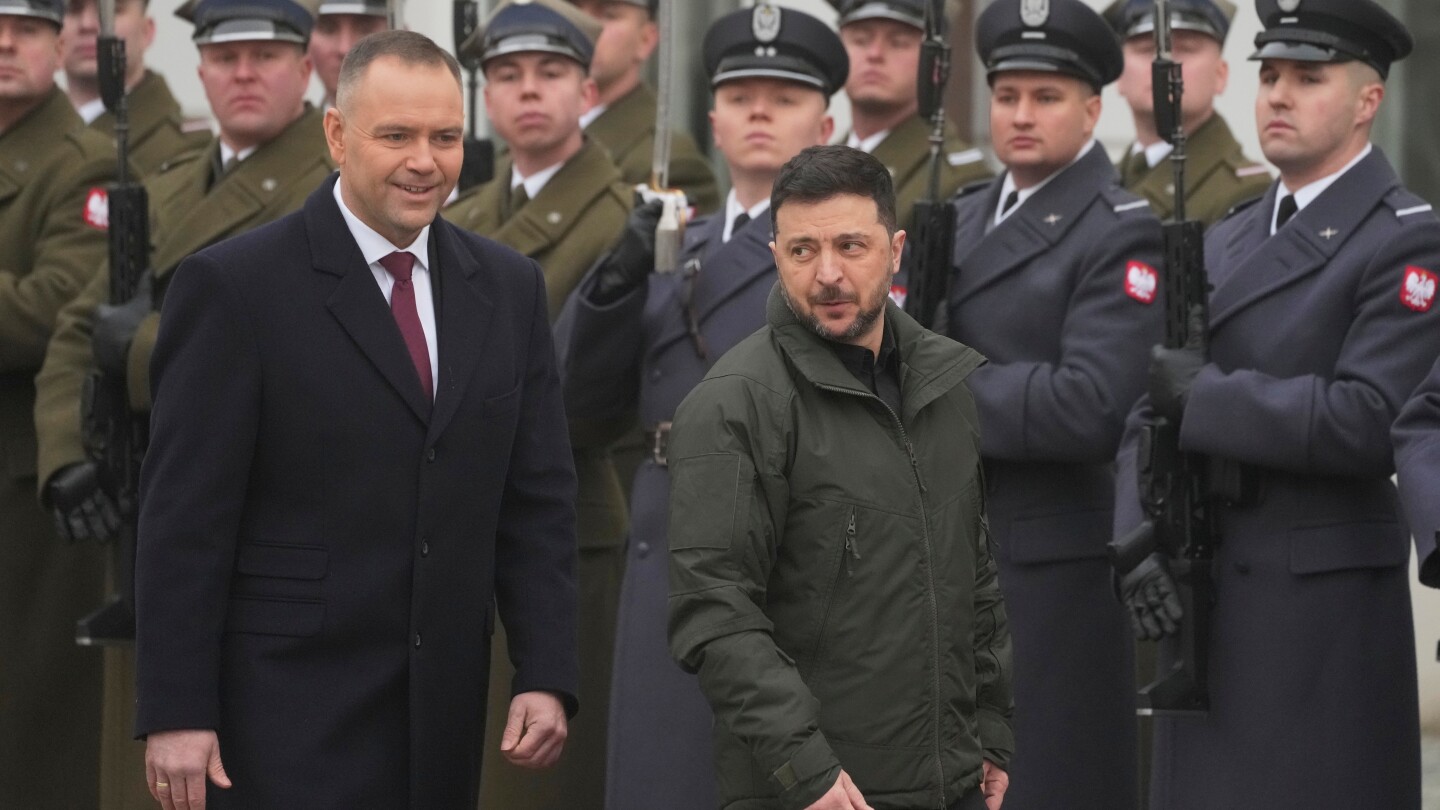
Speaking at a press conference in Warsaw on Friday, Zelenskyy welcomed the loan package, saying it provides “financial certainty for the coming years.” He indicated the funds would be allocated based on how the conflict evolves.
“If Russia drags out this war — and that is exactly the signal the entire world hears from Moscow, as they continue to threaten us — we will use these funds for defense,” Zelenskyy stated. “If the world compels Russia to make peace, we will use these funds exclusively for the reconstruction of our country.”
The massive borrowing plan continues a pattern established during von der Leyen’s administration, which previously secured a €750 billion economic recovery fund in response to the COVID-19 pandemic. This latest financial intervention underscores the EU’s continued commitment to Ukraine despite internal disagreements and economic challenges.
Fact Checker
Verify the accuracy of this article using The Disinformation Commission analysis and real-time sources.

16 Comments
While the loan amount is substantial, Ukraine still faces an enormous financial burden due to the war. I hope this aid, combined with other international support, will be enough to meet the country’s needs.
That’s a valid concern. The long-term costs of rebuilding Ukraine’s infrastructure and economy after the conflict will be immense.
It’s encouraging to see the EU taking decisive action to support Ukraine, even if the negotiations were challenging. This loan could be a game-changer in Ukraine’s fight for survival.
I agree. This loan demonstrates the EU’s commitment to Ukraine and its willingness to make tough decisions to provide the necessary assistance.
Providing Ukraine with financial support during this difficult time is crucial. The EU’s $106 billion loan package will help stabilize Ukraine’s economy and military efforts as they defend their sovereignty.
It’s good to see the EU coming together to provide this level of assistance. Ukraine needs all the help it can get to weather the ongoing conflict.
The EU’s decision to provide this loan to Ukraine is a bold move, but it remains to be seen how it will impact the bloc’s own financial stability and geopolitical standing in the long run.
That’s a fair point. The EU will need to carefully balance its support for Ukraine with its own economic and political interests.
The EU’s compromise solution to utilize capital markets for this loan package is an innovative approach. However, I wonder about the long-term implications and sustainability of this funding model.
That’s a valid concern. The EU will need to carefully manage the repayment terms and ensure the loan doesn’t create additional financial burdens down the line.
While the $106 billion loan is a significant amount, I’m curious to see how it will be allocated and used effectively to support Ukraine’s military and economic needs.
That’s a good question. Transparent oversight and accountability will be crucial to ensure the funds are used efficiently and for their intended purposes.
This loan is a significant commitment from the EU to support Ukraine. However, the negotiations highlighted the divisions among member states, which could complicate future aid efforts.
You raise a fair point. Maintaining unity within the EU will be crucial as the situation in Ukraine continues to evolve.
The EU’s decision to borrow from capital markets to fund this loan package is an interesting approach. I wonder how it will impact the bloc’s own financial situation and ability to respond to future crises.
That’s a good point. The EU will need to carefully manage its finances to ensure it can continue supporting Ukraine and address other challenges.