


Listen to the article
California Bishop Resigns, Faces Embezzlement Charges After Airport Arrest
The bishop of a small Chaldean Catholic community in California has resigned and pleaded not guilty to embezzlement and money laundering charges after prosecutors alleged he took more than $270,000 from his parish.
Bishop Emanuel Shaleta, 69, was arrested last week at San Diego International Airport while attempting to leave the country, according to the San Diego County Sheriff’s Office. Pope Leo XIV officially announced Shaleta’s resignation on Tuesday.
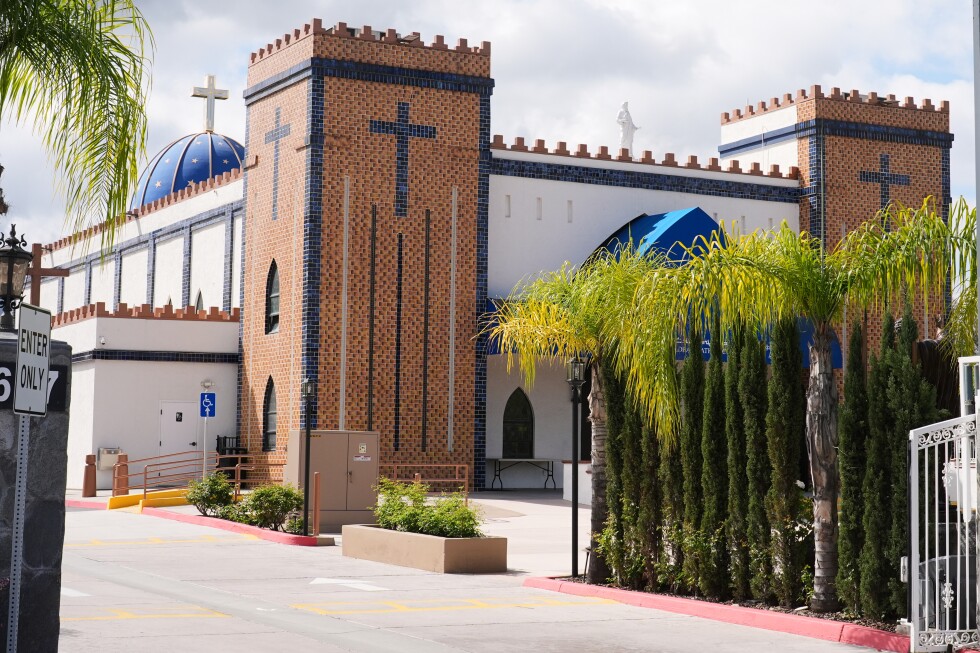
Prosecutors claim Shaleta embezzled funds from St. Peter Chaldean Catholic Cathedral in El Cajon, east of San Diego, allegations his defense attorney has denounced as false.
San Diego County prosecutor Joel Madero stated the embezzlement charges are connected to monthly rental payments exceeding $30,000 from a tenant of the church’s social hall. Investigators reportedly discovered discrepancies in the church’s financial accounts.
The San Diego District Attorney’s office has charged Shaleta with 16 felonies, including eight counts of embezzlement and eight counts of money laundering. If convicted on all charges, he faces up to 15 years in prison. A preliminary hearing is scheduled for April 27.
During a recent Mass before his arrest, Shaleta publicly denied the accusations, stating he had never “abused any penny of the church money.”
The Chaldean Church issued a formal statement acknowledging the Vatican investigation and emphasizing that “all perspectives are being taken seriously and require careful review, proper documentation, and time so that the truth may be fully and fairly discerned.”
Meanwhile, priests of the Chaldean Catholic Eparchy of St. Peter the Apostle released a statement expressing solidarity with Shaleta and requesting prayers for their church community during this difficult time.
Born in Faysh Kahbur, Iraq, near the Syrian border, Shaleta began his religious training at age 15. After seminary studies at St. John Minor Seminary near Mosul and Pontifical Urbaniana University in Rome, he was ordained by Pope John Paul II in 1984.
Following his doctorate in biblical theology, Shaleta served in parishes across Illinois, Michigan, and California. In 2015, Pope Francis appointed him bishop of the Eparchy of Mar Addai of Toronto of the Chaldeans in Canada before transferring him to lead the Diocese of Saint Peter Apostle of San Diego of the Chaldeans in 2017.
The Chaldean Catholic Church represents more than a million Aramaic-speaking Christians and traces its founding to the Apostle Thomas in present-day Iraq. Its headquarters remains in Baghdad. According to the Chaldean Community Foundation, approximately half a million members of the Chaldean and Assyrian branches live in the United States, primarily concentrated in Arizona, California, and Illinois.
This case emerges during a period of significant transition for the Chaldean Church. The Vatican revealed that Pope Leo XIV had actually accepted Shaleta’s resignation in February but appeared to delay the announcement to avoid interfering with the police investigation. Bishop Saad Hanna Sirop has been appointed as temporary administrator.
Adding to the church’s challenges, Cardinal Louis Raphael Sako, the head of the Chaldean Church, retired on March 9, with his departure announced simultaneously with Shaleta’s resignation. While the timing has raised questions about a possible connection between the two departures, Sako, 76, stated he first discussed retiring with Pope Francis in 2024 and later requested retirement from Pope Leo, who granted his request.
Before retiring, Sako addressed parishioners in the San Diego region, urging unity and “a compassionate, faithful heart, far from the spirit of revenge” during this “exceptionally painful situation.” His retirement comes amid regional tensions as conflict in the Middle East has affected Iraq and neighboring countries.
“Let the legal procedures take their course in revealing the truth and upholding justice,” Sako wrote in his final message to the community.
Fact Checker
Verify the accuracy of this article using The Disinformation Commission analysis and real-time sources.

8 Comments
The allegations against Bishop Shaleta raise concerns about financial oversight and transparency within the Chaldean Catholic community. Proper stewardship of church funds is paramount, and I hope this case prompts a broader examination of internal controls and accountability measures.
Financial misconduct by clergy members is a sensitive and complex issue. While the charges against Bishop Shaleta are serious, it’s important to withhold judgment until all the facts are presented. A fair trial is essential to upholding justice and maintaining trust in the church.
I agree, it’s critical that the judicial process is allowed to unfold objectively. These types of allegations can have far-reaching implications, so a thorough and impartial investigation is crucial.
This case highlights the importance of strong financial oversight and accountability within religious institutions. While the charges against Bishop Shaleta are serious, I hope the legal process will shed light on the truth and lead to appropriate actions, if warranted.
Allegations of financial misconduct by clergy members are always concerning. However, it’s important to remember that Bishop Shaleta is innocent until proven guilty. A fair trial will be crucial in determining the facts and ensuring justice is served.
This is certainly a troubling development for the Chaldean Catholic community. Allegations of embezzlement are always concerning, and it will be important to see how this case plays out in court. I hope the truth comes to light, regardless of the outcome.
The embezzlement charges against Bishop Shaleta are troubling, but I hesitate to draw any firm conclusions until the legal process has run its course. Maintaining the integrity of the Chaldean Catholic Church should be the top priority moving forward.
This is a complex and sensitive situation. While the charges against Bishop Shaleta are serious, it’s important to avoid rushing to judgment. A fair and thorough legal process is needed to determine the facts and reach a just conclusion.