


Listen to the article
Gaza Aid Debate Intensifies Two Months After Ceasefire
Two and a half months since Gaza’s latest ceasefire took effect, a contentious dispute has emerged over whether Israel is fulfilling its humanitarian obligations to the war-ravaged Palestinian territory. The disagreement centers on the volume and type of supplies entering Gaza, with Israel claiming compliance while humanitarian organizations and Gaza authorities present contradictory evidence.
The U.S.-backed ceasefire agreement stipulates that a minimum of 600 trucks must enter Gaza daily. Israel insists it has consistently met this requirement since October 10, with the United States confirming compliance over the past five weeks. However, the debate extends beyond raw numbers to the critical question of what these trucks actually contain.
According to COGAT, the Israeli military agency coordinating aid to Gaza, approximately 80% of vehicles entering the territory are private-sector commercial trucks rather than humanitarian aid conveyances. This distinction has significant implications for Gaza’s 2.3 million residents, many of whom cannot afford commercially available goods after two years of devastating conflict.
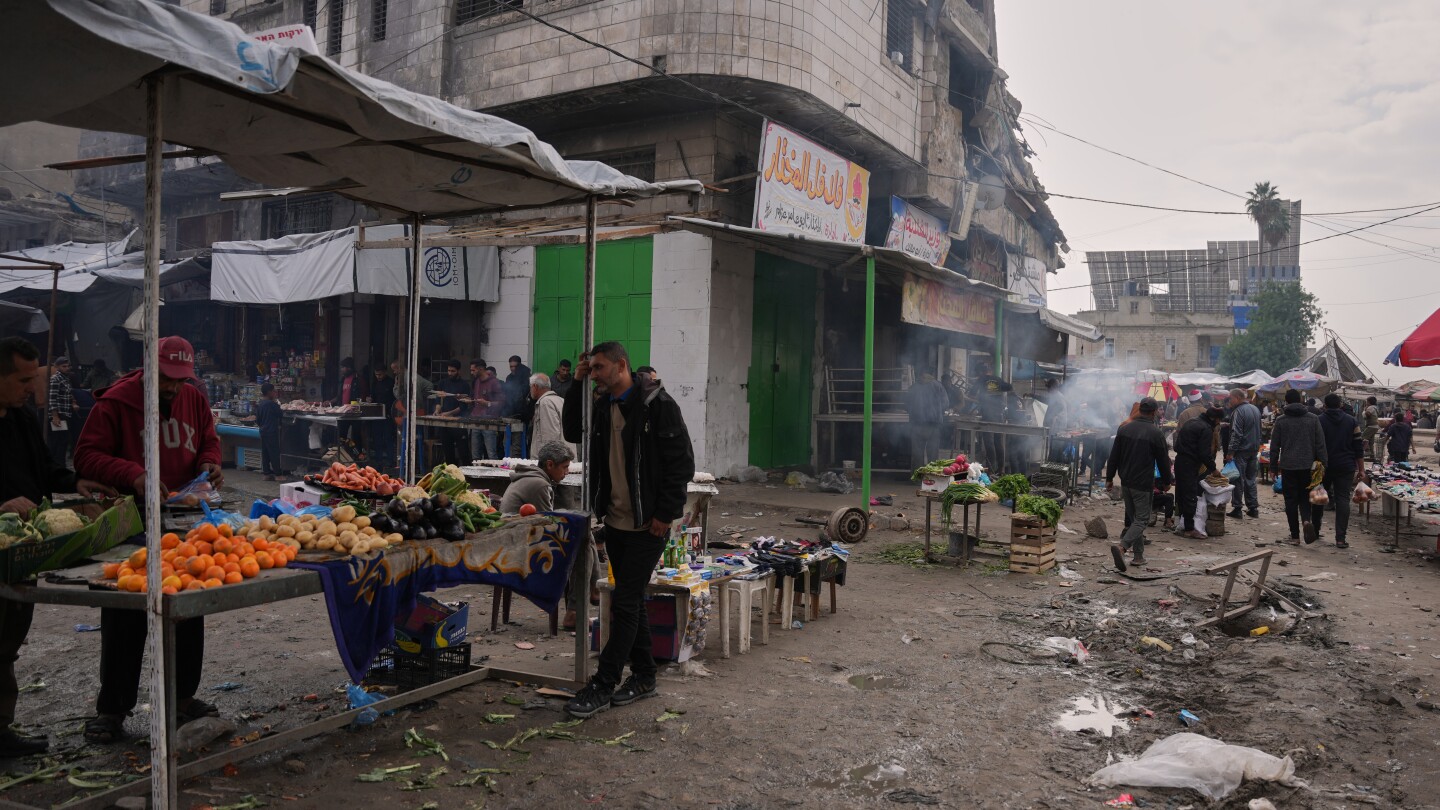
“Commercial supplies are often prioritized ahead of aid deliveries yet do not address humanitarian needs,” said Refugees International in a recent statement. While markets in Gaza now display more products and prices for essentials like flour and meat have begun to decrease, most items remain financially out of reach for the average Palestinian.
COGAT reports that about 70% of all trucks carry food items, with the remainder transporting “medical equipment, shelter supplies, tents, clothing and other essential humanitarian assistance.” However, the agency has declined to provide raw data on specific shipments, citing security concerns that such information could benefit Hamas.
Independent verification of these claims proves challenging due to Israel’s exclusive control over Gaza’s border crossings. “There is little transparency about how much and what exactly is getting in,” explained Shaina Low of the Norwegian Refugee Council, highlighting a fundamental obstacle to accountability.
Last week’s report by global food security experts contradicted Israel’s assertions. The Integrated Food Security Phase Classification (IPC), citing data they claim was provided by Israel itself, reported that an average of 540 trucks entered Gaza daily in October after the ceasefire, rising slightly to 581 in November. Both figures fall below the mandated 600-truck threshold.
The discrepancy grows more pronounced when examining figures from inside Gaza. A World Food Program report released this week, citing data from the Gaza Chamber of Commerce and the Hamas-affiliated Palestinian Ministry of State for Relief Affairs, claimed that an average of just 256 trucks carrying both aid and commercial goods entered daily during the first two weeks of December.
Beyond quantity issues, the WFP report highlighted structural problems in the aid delivery system, including “a complex system of approvals” and “exorbitant fees” that can reach several thousand dollars per truck. These additional costs inevitably drive up prices for essential items, placing them further beyond the reach of Gaza’s impoverished population.
The 20% of trucks that do carry humanitarian aid face their own challenges. UN tracking data shows that from October 10 through December 21, 9,379 aid trucks reached their intended destinations in Gaza, averaging about 130 trucks daily. Food comprised over 80% of this aid by weight. However, 156 trucks were intercepted by hungry crowds or armed gangs during this period.
Israeli restrictions on specific items deemed potential dual-use materials, such as tents with aluminum frames, have further complicated aid delivery. Such limitations recently forced the World Food Program to reduce food rations, with some households receiving only 75% of minimum caloric needs in an effort to “reach as many people as possible.”
Despite these challenges, last week’s IPC report noted “notable improvements” in Gaza’s food security since the ceasefire while emphasizing that the situation remains “highly fragile” and requires sustained, unhindered aid deliveries.
Palestinians interviewed by The Associated Press consistently report that while markets appear better stocked, most people simply cannot afford to purchase what’s available. Bob Kitchen of the International Rescue Committee described access as “deeply unequal” and noted that “much of the food entering Gaza is also low in nutritional value, such as sweets and sugary drinks, which does little to support recovery from malnutrition.”
As the ceasefire continues, the debate over aid effectiveness highlights the persistent humanitarian challenges facing Gaza’s population, where technical compliance with truck quotas may mask deeper systemic issues preventing equitable access to essential supplies.
Fact Checker
Verify the accuracy of this article using The Disinformation Commission analysis and real-time sources.

10 Comments
It’s good to see the U.S. confirming compliance with the ceasefire agreement’s requirements for aid entering Gaza. However, the debate around the composition of these convoys points to the need for more transparency and accountability on both sides.
Absolutely. Maintaining open communication and data-sharing between all parties involved will be crucial to ensuring the aid reaches those who need it most.
The debate over aid entering Gaza is a complex and sensitive issue. It’s important that the needs of the Palestinian people are addressed, while also ensuring Israel’s legitimate security concerns are taken into account.
I agree. Finding the right balance between humanitarian aid and security measures will be crucial for making progress on this issue.
This dispute over aid entering Gaza highlights the complex realities of the Israel-Hamas conflict. It’s crucial that both sides adhere to the ceasefire agreement and ensure essential humanitarian supplies reach the people of Gaza in a timely and effective manner.
Agreed. The distinction between commercial and humanitarian aid trucks is an important one that deserves close scrutiny to ensure the needs of Gazans are being met.
This conflict has had a devastating impact on the people of Gaza. I hope that both Israel and Hamas can find a way to work together constructively to facilitate the delivery of essential humanitarian aid and supplies.
That’s a great point. Cooperation and good-faith efforts from all sides are essential for addressing the dire humanitarian situation in Gaza.
The dispute over aid entering Gaza highlights the ongoing challenges in the region. I hope that all parties involved can work towards a sustainable solution that prioritizes the well-being and basic needs of the Gazan population.
Absolutely. Constructive dialogue and a commitment to compromise from all sides will be key to resolving this issue and improving the lives of those affected.