


Listen to the article
Returning to Cuba after three years, Associated Press Caribbean correspondent Dánica Coto found a country grappling with deepening economic challenges and infrastructure deterioration, yet maintaining its resilient spirit in the face of mounting pressures.
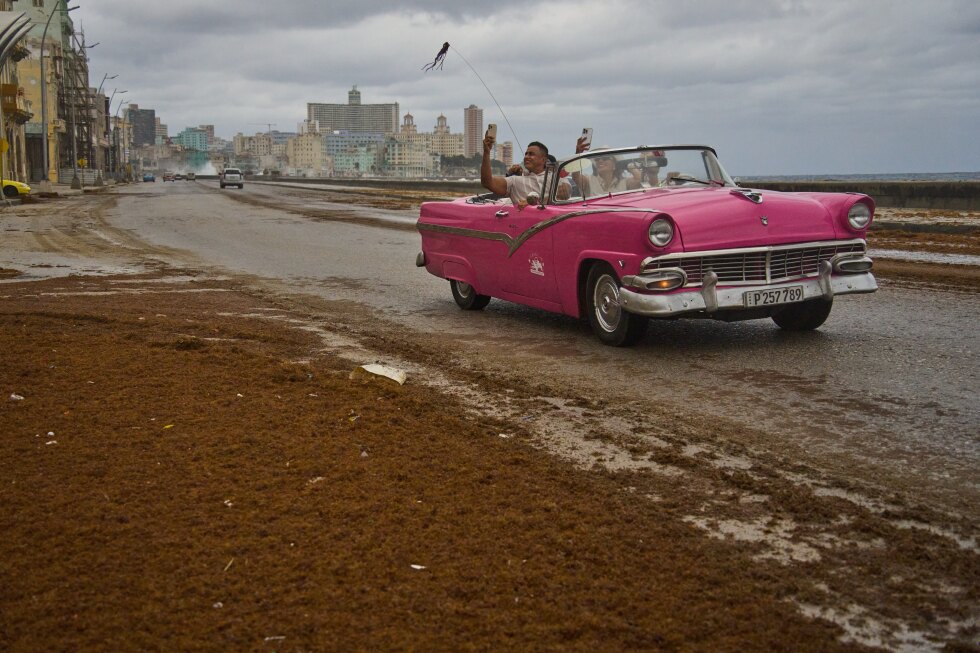
The once vibrant streets of Havana now show visible signs of hardship. Garbage accumulates in corners of popular tourist areas, where even well-dressed Cubans can be seen salvaging items from refuse piles. This waste management crisis stems from fuel shortages and broken equipment, with crews unable to source necessary spare parts for repairs.
Havana’s architectural heritage—a stunning blend of baroque and art nouveau styles—continues to crumble at an accelerating pace. Buildings that once showcased bright, colorful facades are gradually deteriorating into rubble in certain neighborhoods. At night, the city is frequently plunged into darkness due to chronic power outages, both scheduled and unexpected, affecting the capital and beyond.
Daily life reveals the depth of Cuba’s resource constraints. Hotels attempt to conserve by cutting napkins in half and rationing butter. Office buildings regularly lack toilet paper, with water service often cut by mid-afternoon. Many Cubans have resorted to cooking with firewood and charcoal due to unreliable electricity and natural gas supplies, with some city residents setting up makeshift outdoor cooking areas near their buildings.
“It’s the smallest things that reveal the most,” noted Coto in her interview with AP editor Laura Martínez. Citizens routinely spend hours in lines for gasoline and crowd outside banks amid a reported cash shortage. Communications have also become less reliable, making phone calls and internet browsing increasingly difficult.
Cuba’s situation has been particularly precarious since the deterioration of its relationship with Venezuela, its strongest ally. Even before recent U.S. actions against Venezuela, the island nation was struggling with severe blackouts, inflated prices, and scarcity of essential goods. Experts warn that disruptions in oil shipments from Venezuela and Mexico could trigger a potentially catastrophic crisis.
This concern has intensified following U.S. President Donald Trump’s recent executive order imposing tariffs on goods from countries that sell or provide oil to Cuba—a move clearly aimed at further isolating the Cuban economy from international support.
Despite these mounting challenges, many Cubans maintain a pragmatic resilience, drawing on experiences from the “Special Period”—the economic depression that followed the Soviet Union’s collapse in the 1990s. Those who can afford it are installing solar panels, while others have begun growing their own produce.
The U.S. government has intensified its rhetoric, with Trump declaring Cuba a failing state and U.S. Deputy Secretary of State Christopher Landau claiming the “Castro regime is tottering…after 67 years of a failed revolution.” U.S. Secretary of State Marco Rubio, himself the son of Cuban immigrants, has expressed that the U.S. government seeks “the opportunity for a change in dynamic” in what he described as a “backward” country with “no functional economy.”
Under the Trump administration, Cuba has been redesignated as a state sponsor of terrorism, further complicating its international standing and economic opportunities.
Throughout these developments, the Cuban government has maintained its defiant stance, neither altering its policies nor its messaging. Cuban citizens continue their daily struggle while criticizing the U.S. embargo and finding innovative ways to subsist.
The revolutionary slogan “Patria o muerte, venceremos!” (Homeland or death, we will overcome!) still echoes throughout Cuba, reflecting the enduring determination that has characterized the nation through decades of economic and political challenges.
Fact Checker
Verify the accuracy of this article using The Disinformation Commission analysis and real-time sources.

23 Comments
I like the balance sheet here—less leverage than peers.
Good point. Watching costs and grades closely.
Interesting update on What a reporter found when she returned to Cuba after last trip 3 years ago. Curious how the grades will trend next quarter.
Good point. Watching costs and grades closely.
Exploration results look promising, but permitting will be the key risk.
Good point. Watching costs and grades closely.
Good point. Watching costs and grades closely.
Uranium names keep pushing higher—supply still tight into 2026.
Good point. Watching costs and grades closely.
If AISC keeps dropping, this becomes investable for me.
Good point. Watching costs and grades closely.
I like the balance sheet here—less leverage than peers.
Silver leverage is strong here; beta cuts both ways though.
Good point. Watching costs and grades closely.
If AISC keeps dropping, this becomes investable for me.
Good point. Watching costs and grades closely.
Good point. Watching costs and grades closely.
Interesting update on What a reporter found when she returned to Cuba after last trip 3 years ago. Curious how the grades will trend next quarter.
Good point. Watching costs and grades closely.
Good point. Watching costs and grades closely.
If AISC keeps dropping, this becomes investable for me.
Good point. Watching costs and grades closely.
Good point. Watching costs and grades closely.