


Listen to the article
Middle East Conflict Strands Thousands of Muslim Pilgrims in Saudi Arabia
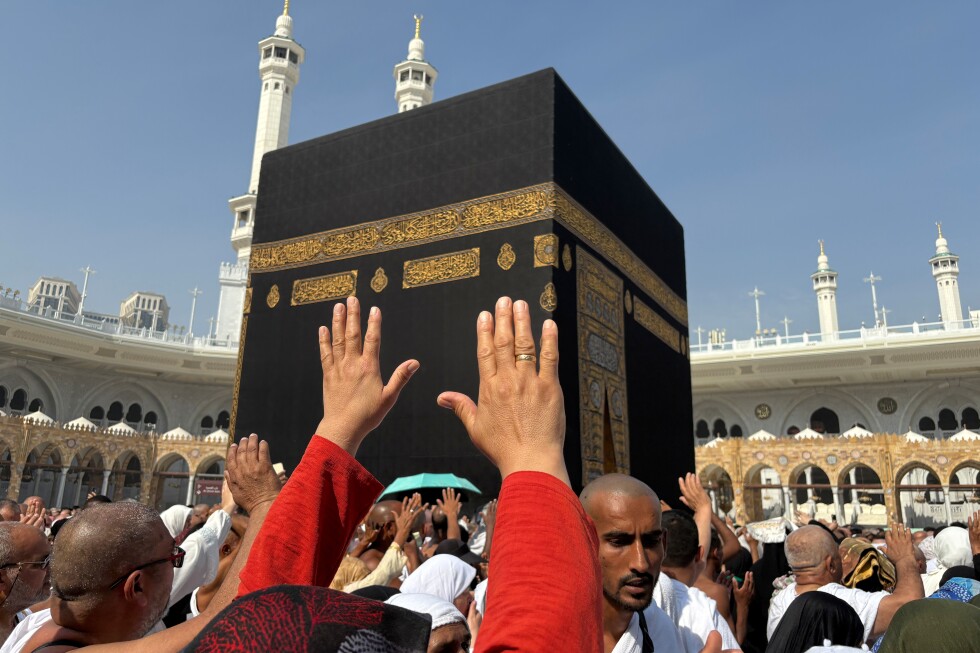
Travel disruptions caused by the ongoing conflict in the Middle East have left tens of thousands of Muslim pilgrims stranded in Saudi Arabia after completing their Umrah pilgrimage, with many scrambling to find alternative routes home while others have been forced to cancel their plans entirely.
As of Thursday, more than 58,860 Indonesian pilgrims remain stranded in Saudi Arabia, according to Indonesia’s Vice Minister of Hajj and Umrah, Dahnil Anzar Simanjuntak. The Indonesian government is currently negotiating with Saudi authorities and airlines to reduce the financial burden on these pilgrims, who face unexpected hotel and flight costs. Officials have also urged approximately 60,000 other Indonesians to postpone their Umrah travels until April due to safety concerns.
“This is an urgent humanitarian and logistical issue,” said Ichsan Marsha, spokesperson for Indonesia’s Ministry of Hajj and Umrah.
The situation has created both financial and emotional strain for those affected. Zanirah Faris, one of the stranded Indonesian pilgrims, told local media that her return flight was canceled and rescheduled for March 12. “Not everyone can book additional stays at a hotel,” she said, highlighting the economic burden. “I’m disappointed because my children have been waiting for me.”
Indonesia, home to the world’s largest Muslim population, sends hundreds of thousands of pilgrims to Saudi Arabia annually for Umrah, particularly during the holy month of Ramadan. Unlike the Hajj, which occurs once a year, Umrah can be performed at any time.
Malaysia is facing similar challenges, with approximately 1,600 of its citizens stranded in Saudi Arabia, according to Mohamad Dzaraif Raja Abdul Kadir, Malaysia’s consul general in Jeddah. Malaysian authorities have established a 24-hour operations center to monitor the situation and provide assistance to affected citizens. Malaysia Airlines has temporarily resumed return services from Jeddah and Medina until Sunday to help address the backlog.
The impact extends beyond Southeast Asia. Maged Kholaif, a 44-year-old Egyptian resident of Kuwait, was scheduled to return home from Saudi Arabia on February 28, the day hostilities escalated. His flight was canceled and rescheduled for days later.
“It was a very difficult feeling,” Kholaif said, describing the abrupt shift from the spiritual atmosphere of Umrah to the anxiety of being stranded with his wife and mother-in-law while hearing reports of sirens and explosions in Kuwait. Concerned for his children’s safety, he ultimately decided to return overland, arriving in Kuwait on Tuesday for an emotional family reunion.
The conflict has also forced many to cancel their pilgrimage plans entirely. Javed Khizer, a 47-year-old Michigan resident, canceled Umrah travel plans for himself and his family that would have taken them to Saudi Arabia via Turkey and Qatar.
“We were looking at the news and everything. We could only understand that the situation is getting worse,” Khizer explained. “It was a difficult decision… Who knows whether I will be there for next Ramadan or not? It’s not guaranteed.”
For those who managed to reach Saudi Arabia before the conflict escalated, the experience has been tinged with anxiety. Majid Mughal, a 52-year-old American visiting with his family, said they’re trying to focus on religious rituals, fasting, and prayer, but they find it difficult to disconnect from the news. They regularly check flight details to ensure they’ll be able to return home as scheduled.
“We consider coming to the sacred land as a calling from Allah, and during this sacred month of Ramadan, I think it is highly recommended to come and visit if you can,” Mughal said. However, he acknowledged that had he known about the impending conflict, he would have canceled their trip.
The situation highlights the far-reaching impacts of Middle Eastern conflicts beyond the immediate war zones. Gulf airports serve as critical hubs connecting travelers to Europe, Africa and Asia, meaning disruptions in this region have global ramifications for international travel networks, particularly affecting religious pilgrims during important Islamic observances.
Fact Checker
Verify the accuracy of this article using The Disinformation Commission analysis and real-time sources.

7 Comments
This is a complex situation that highlights the challenges of international travel, especially during times of conflict. The stranded pilgrims must be under tremendous stress and uncertainty. I hope the Indonesian government can negotiate a swift and fair resolution to ease their burdens.
This is a difficult and frustrating situation for the stranded pilgrims. The logistical and financial challenges must be daunting. I’m curious to learn more about the negotiations between the Indonesian government and Saudi authorities to find solutions. Effective crisis management will be critical.
The travel chaos caused by the regional conflict is deeply concerning, especially for those undertaking religious pilgrimages. I wonder what lessons can be learned to better prepare for and mitigate such disruptions in the future. The wellbeing of the stranded travelers should be the top priority.
You raise a good point. Contingency planning and coordination between governments could help minimize the impact on pilgrims during times of regional instability. Ensuring the safety and support for these travelers is crucial.
This situation underscores the fragility of international travel, especially for those on spiritual journeys. The financial and emotional toll on the stranded pilgrims must be immense. I hope the authorities can find swift solutions to alleviate their burdens and facilitate their safe return home.
Agreed. The well-being of the pilgrims should be the top priority. Effective crisis response and support from the relevant authorities will be essential to minimize the hardship faced by these travelers.
It’s unfortunate that these pilgrims are caught up in the geopolitical tensions of the region. Travel disruptions can have significant financial and emotional impacts, especially for those on spiritual journeys. Hopefully the authorities can work to minimize the hardship faced by these travelers.