


Listen to the article
Interim Venezuelan government pledged on Wednesday to continue freeing prisoners detained under former President Nicolás Maduro’s rule, framing the releases as part of a broader political opening in the South American nation.
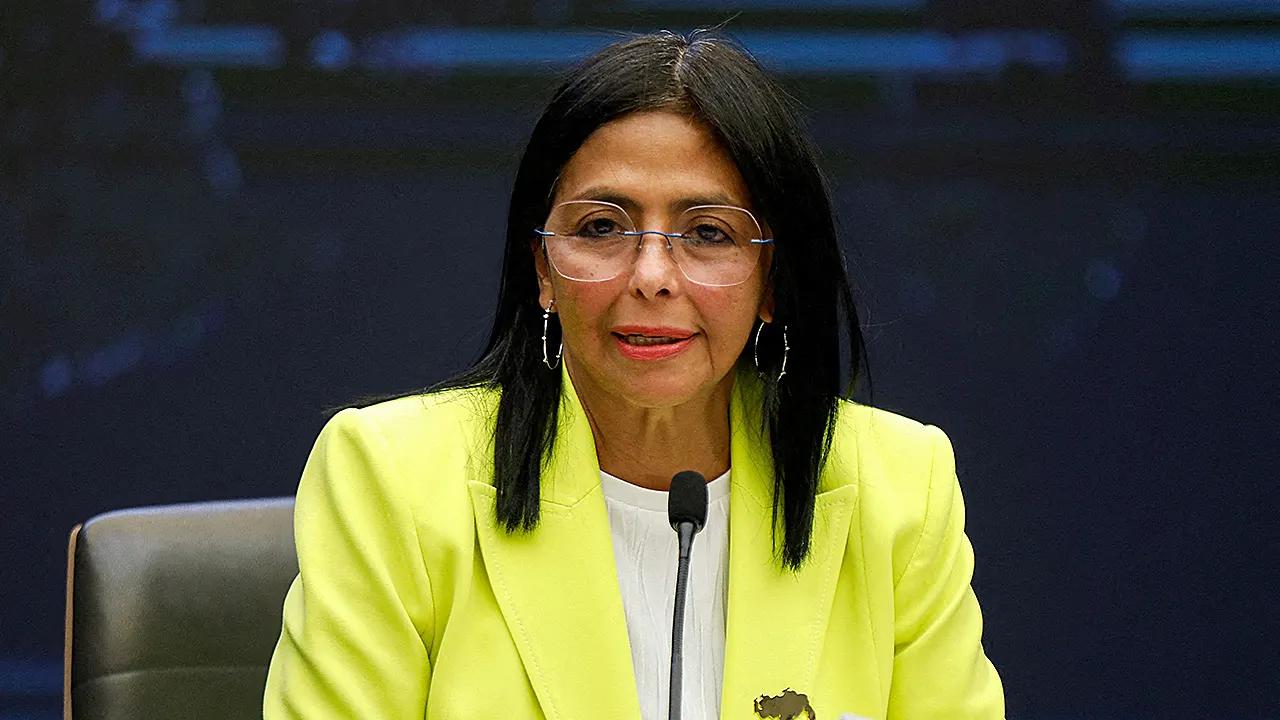
Acting President Delcy Rodríguez, speaking at her first press briefing since assuming leadership, told journalists in Caracas that the process of releasing detainees “has not yet concluded,” signaling that more prisoners would be freed in the coming days.
“Venezuela opens itself to a new political moment, that allows for political and ideological diversity,” Rodríguez said, presenting the releases as an opportunity for national reconciliation rather than a break from the past.
The announcement comes just days after the interim government freed at least four American citizens who had been imprisoned in Venezuela, marking the first known release of U.S. detainees since Maduro was removed in a U.S. military operation earlier this month.
Human rights organizations estimate that approximately 800 prisoners, including political leaders, military personnel, and lawyers, remain in detention, according to Venezuelan human rights group Foro Penal. While Rodríguez claimed her government had already released 212 detainees, human rights groups have reported significantly lower numbers.
In an apparent attempt to maintain continuity with the previous administration, Rodríguez attributed the prisoner release initiative to Maduro himself, noting that he had overseen the release of 194 detainees in December. She characterized these earlier releases as evidence that Maduro “was thinking precisely about opening spaces for understanding, for coexistence, for tolerance.”
The interim president did not provide specific criteria for determining which prisoners would be released, saying only that decisions would be guided by an assessment of “crimes related to the constitutional order.” She added that “messages of hatred, intolerance, acts of violence will not be permitted,” suggesting some limits to the government’s newfound tolerance for opposition.
Interior Minister Diosdado Cabello, a powerful figure in Venezuelan politics and longtime Maduro ally, will handle the coordination of these releases, according to Rodríguez.
Venezuela’s political transition has significant implications for regional stability and U.S. foreign policy. The country holds the world’s largest proven oil reserves, and its political and economic crises have driven millions of migrants to neighboring countries and the United States in recent years.
Relations with Washington appear to be warming. President Donald Trump revealed Wednesday that he recently had a “great conversation” with Rodríguez—their first direct communication since Maduro was seized and transported to the United States to face drug-trafficking charges.
“We had a call, a long call. We discussed a lot of things,” Trump said. “And I think we’re getting along very well with Venezuela.”
The prisoner releases represent a potential shift in Venezuela’s approach to political dissent. Under Maduro’s 11-year rule, the government was widely criticized for detaining opposition figures, journalists, and ordinary citizens who spoke out against the regime. International human rights organizations documented widespread abuses within Venezuela’s prison system, including torture and denial of medical care.
For many families of those still detained, the government’s promises offer a glimmer of hope after years of uncertainty. However, skepticism remains among opposition groups and international observers, who question whether the interim government—largely composed of former Maduro officials—will implement meaningful political reforms.
As Venezuela navigates this uncertain transition period, the fate of the remaining political prisoners will likely serve as a key indicator of the new government’s commitment to the “political and ideological diversity” that Rodríguez has promised.
Fact Checker
Verify the accuracy of this article using The Disinformation Commission analysis and real-time sources.

10 Comments
The release of American citizens detained in Venezuela is a positive development, but the country still has a long way to go to address its broader human rights issues. Hundreds of political prisoners remain incarcerated, and restoring democratic freedoms will be crucial.
Agreed. While the release of U.S. citizens is welcome news, it’s just a small step. The true test will be whether the interim government follows through on its promises to free all political prisoners and enact meaningful political reforms.
While the interim Venezuelan government’s pledge to continue freeing prisoners is a positive step, the real test will be whether they follow through and address the broader human rights abuses that have occurred under Maduro’s rule. Reconciliation will require a genuine commitment to democratic principles.
Venezuela’s political transition remains fragile and uncertain. The release of prisoners is a welcome gesture, but lasting change will depend on the government’s willingness to enact deeper reforms, restore democratic institutions, and respect fundamental freedoms. The international community should maintain pressure for comprehensive progress.
Venezuela’s political upheaval continues to be closely watched. While the release of prisoners is a step in the right direction, the interim government must demonstrate a genuine commitment to human rights, rule of law, and inclusive democratic reforms to build trust and credibility both domestically and internationally.
This is an encouraging sign for Venezuela’s political future. Releasing political prisoners and embracing diversity could help heal longstanding divisions. However, the challenge will be ensuring these reforms lead to lasting democratic progress, not just a change in leadership.
You raise a good point. Lasting change will require a sustained commitment to human rights and the rule of law, not just symbolic gestures. The international community should closely monitor the situation to ensure these reforms are implemented in good faith.
Suggestions of a ‘new political era’ in Venezuela are intriguing, but will require tangible actions to back up the rhetoric. Freeing political prisoners is a good start, but the government must also respect civil liberties, judicial independence, and democratic processes moving forward.
The potential release of more political prisoners in Venezuela is an important development, but it remains to be seen if this signals a broader shift towards greater respect for human rights and the rule of law. The international community should cautiously monitor the situation and press for comprehensive reforms.
The announcement of more prisoner releases in Venezuela is an encouraging sign, but the true measure of progress will be whether the government follows through on its promises of political and ideological diversity. Meaningful reconciliation will require addressing the legacy of human rights abuses and restoring democratic checks and balances.