


Listen to the article
Venezuela Releases Over 3,200 People Under New Amnesty Law, Officials Say
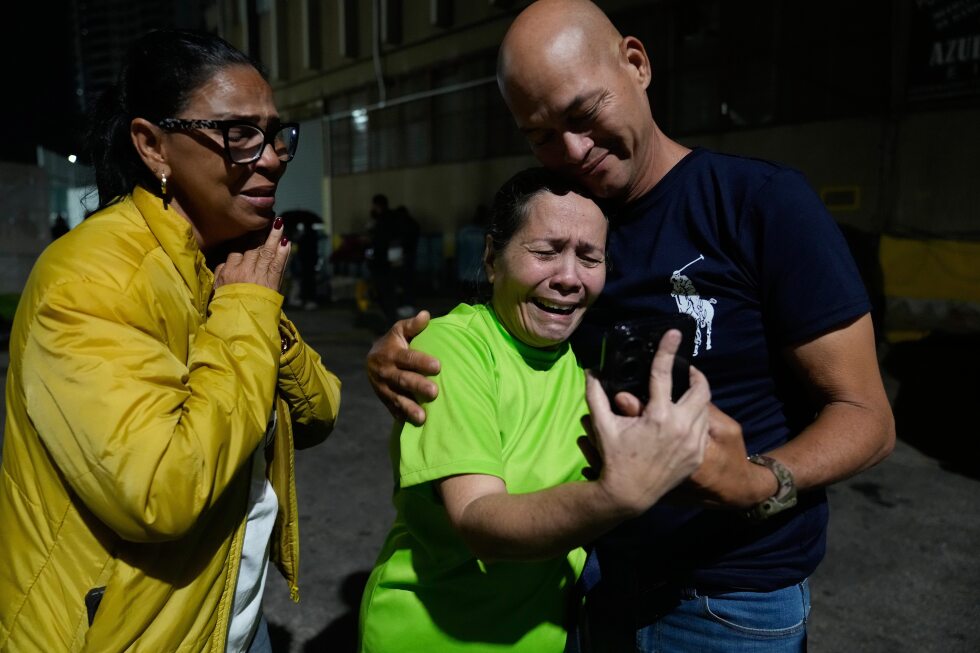
Venezuelan authorities have released more than 3,200 people in just four days since implementing a new amnesty law, according to a special commission of the country’s National Assembly. The releases include former detainees and individuals previously under house arrest or other restrictive measures.
Jorge Arreaza, the lawmaker heading the commission overseeing the amnesty program, announced during a Tuesday news conference that the government has received 4,203 applications since the law took effect on February 20. After evaluating these requests, officials granted full freedom to 3,052 people who had been under house arrest or other restrictive conditions, while an additional 179 individuals were released from prison.
“The implementation of this amnesty represents a significant step in addressing concerns about Venezuela’s judicial system,” Arreaza stated during the briefing in Caracas.
The amnesty law excludes specific categories of offenders, including those convicted of homicide, drug trafficking, military rebellion, or serious human rights violations. This selective approach has drawn criticism from human rights organizations who argue the exclusions may be applied arbitrarily.
The Venezuelan government’s announcement comes amid ongoing political tensions in the country. Following the capture of then-President Nicolás Maduro on January 3, the administration led by President Delcy Rodríguez promised to release a substantial number of prisoners as part of broader reform efforts.
However, family members of detainees and human rights watchdogs have expressed frustration over what they describe as the slow pace of releases and the restrictive conditions imposed on many of those freed. Some released prisoners reportedly face travel restrictions, regular check-ins with authorities, or other limitations on their movement and activities.
Venezuela-based prisoners’ rights organization Foro Penal challenged the government’s figures, stating it has verified only 91 “political releases” since the amnesty law was implemented. The advocacy group added that it has requested reviews for 232 cases currently excluded from amnesty consideration and estimates that nearly 600 people remain in detention for political reasons.
“There’s a significant discrepancy between official numbers and what we’re seeing on the ground,” said Alfredo Romero, director of Foro Penal. “Many families are still waiting for their loved ones to be released, and the process lacks transparency.”
The amnesty program emerges against a backdrop of years of international criticism regarding Venezuela’s detention practices. Human rights organizations have long documented cases of arbitrary detention, particularly of political opponents and critics of the government.
International observers are closely monitoring the implementation of the amnesty law. The United Nations and various human rights organizations have previously expressed concerns about Venezuela’s justice system and prison conditions.
Venezuela’s economic crisis has severely affected its prison system, with overcrowding and poor conditions reported throughout the country’s detention facilities. The amnesty program could help alleviate some of these pressures while potentially signaling a shift in the government’s approach to political dissent.
As the amnesty process continues, questions remain about its scope and implementation. The Rodríguez administration faces the challenge of balancing its promises of judicial reform with maintaining political stability in a deeply polarized nation.
For those released, reintegration into society presents another set of challenges in a country facing severe economic hardship. Many formerly detained individuals return to a Venezuela struggling with hyperinflation, food shortages, and limited economic opportunities.
Fact Checker
Verify the accuracy of this article using The Disinformation Commission analysis and real-time sources.

10 Comments
This news raises questions about the types of offenses being pardoned and the criteria used. I wonder if there are safeguards to prevent serious human rights abusers from being released.
While the release of over 3,200 people is significant, it will be crucial to monitor how the amnesty program is implemented and whether it leads to meaningful reform of Venezuela’s legal and human rights practices.
Agreed, the details and execution of this amnesty will be key. Transparency and impartial oversight will be critical to ensure it doesn’t become a political tool.
It’s encouraging to see efforts towards criminal justice reform, but the exclusions raise flags. More transparency around the selection process would help build confidence in the program.
This is an interesting development, but the political context in Venezuela means we should approach it with cautious optimism. Continued scrutiny will be important to assess the true impact.
Interesting to see Venezuela taking steps to address concerns over its judicial system. The amnesty law seems like a positive move, though it’s important the exclusions are well-defined and applied fairly.
The Venezuelan government seems to be framing this as a step towards addressing judicial concerns, but skepticism is warranted given the country’s history of human rights issues.
Absolutely, the proof will be in the long-term impacts and whether this leads to sustainable reforms, or if it’s more of a short-term political move.
While the scale of the releases is notable, the Venezuelan government’s track record on human rights raises concerns about how this amnesty will be applied in practice.
Agreed, the devil will be in the details. Independent monitoring and clear accountability measures will be crucial to ensure this amnesty is used responsibly.