


Listen to the article
U.S. Begins Transfer of ISIS Detainees from Syria to Iraq Amid Regional Security Shift
U.S. Central Command (CENTCOM) announced Wednesday it has initiated the transfer of ISIS detainees from northeastern Syria to secure facilities under Iraqi control, marking a significant shift in the region’s security landscape.
The first phase of the operation has already moved 150 ISIS fighters from a detention facility in Hasakah, Syria, to an undisclosed secure location in Iraq. Officials indicated that up to 7,000 additional detainees could be transferred as part of this broader security initiative.
“We are closely coordinating with regional partners, including the Iraqi government, and we sincerely appreciate their role in ensuring the enduring defeat of ISIS,” said CENTCOM commander Admiral Brad Cooper in a statement. “Facilitating the orderly and secure transfer of ISIS detainees is critical to preventing a breakout that would pose a direct threat to the United States and regional security.”
This development comes just one day after U.S. Ambassador to Turkey and special envoy for Syria Tom Barrack announced that Damascus is prepared to assume broader security responsibilities in the region, including control over ISIS detention facilities and camps.
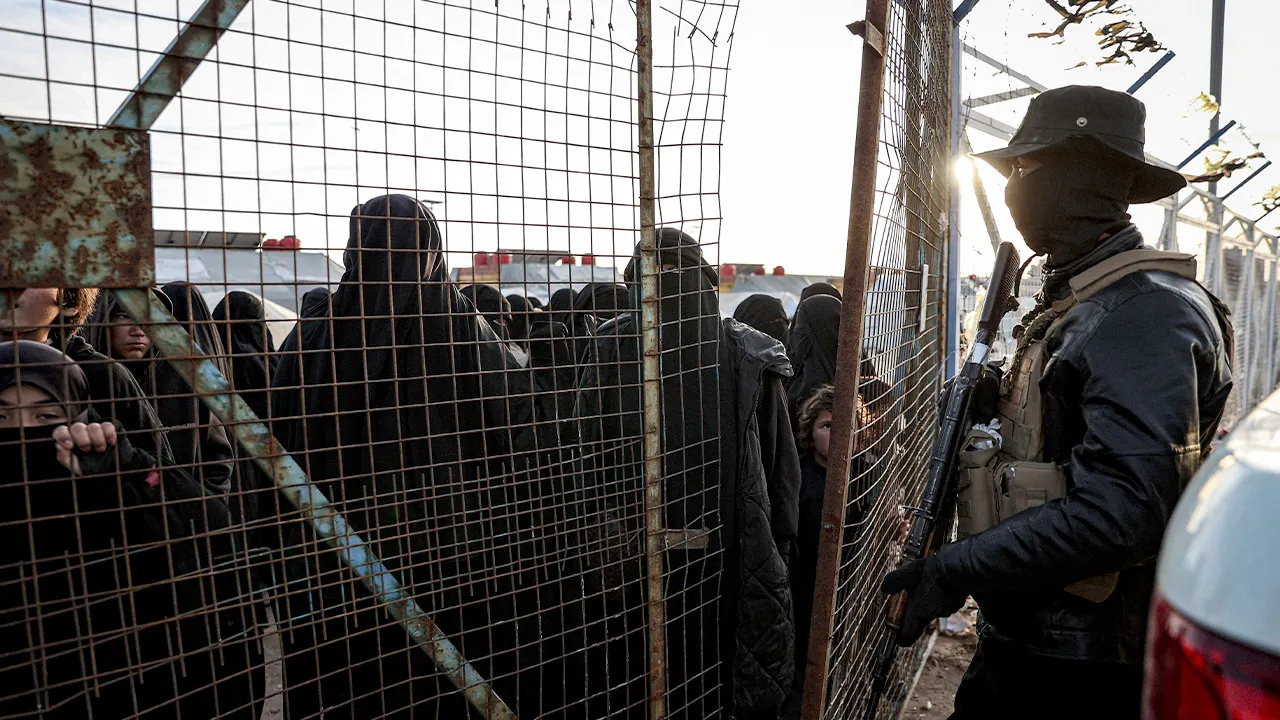
The transfers represent a critical component of the region’s evolving security infrastructure. According to a 2025 State Department report submitted to Congress, approximately 8,400 ISIS-affiliated detainees from more than 70 countries remain in detention facilities operated by the Syrian Democratic Forces (SDF). The al-Hol camp represents the largest of these facilities, housing thousands of ISIS fighters and their family members in increasingly challenging conditions.
The announcement coincides with a fragile four-day ceasefire agreement brokered by Barrack between Syria’s new interim government, led by Ahmed al-Sharaa, and the Kurdish-led SDF. The agreement came after escalating clashes between the groups threatened broader regional stability.
In outlining the Trump administration’s approach, Barrack emphasized that the United States does not seek a permanent military presence in Syria. Instead, the focus remains on eliminating remaining ISIS elements while facilitating a transition to local governance.
“The deal integrates SDF fighters into the national military, hands over key infrastructure including oil fields, dams, and border crossings, and cedes control of ISIS prisons and camps to Damascus,” Barrack explained in a statement on social media platform X.
The agreement reportedly offers Kurdish populations significant concessions, including full citizenship rights, constitutional protections for Kurdish language and culture, and participation in governance – protections that go “far beyond the semi-autonomy the SDF held amid civil war chaos,” according to Barrack.
Security challenges persist, however. On Monday, Syria’s Ministry of Interior reported that security forces had recaptured 81 of 120 ISIS prisoners who escaped from the al-Shaddadi prison in Hasakah countryside during what appears to have been a handover operation. Efforts continue to track down the remaining 39 escapees, with both the interim government and SDF exchanging blame for the security breach.
The prison break highlights the precarious nature of detention facilities in the region and underscores the importance of the U.S.-led transfer operation to more secure locations in Iraq.
The situation in northeastern Syria remains fluid as these transfers continue. Regional security experts note that the successful management of ISIS detainees represents one of the most significant challenges in preventing the terror group’s resurgence.
The al-Hol camp in particular has long been identified as a potential flashpoint, with deteriorating conditions and limited resources creating an environment where ISIS ideology continues to spread. Security officials have repeatedly warned that these detention facilities could serve as incubators for the next generation of extremists if not properly addressed.
As the transfers continue, international observers will be closely monitoring both the security implications and humanitarian conditions for detainees, many of whom have been held for years without formal charges or trials.
Fact Checker
Verify the accuracy of this article using The Disinformation Commission analysis and real-time sources.

10 Comments
The transfer of up to 7,000 ISIS detainees from Syria to Iraq is a significant logistical challenge. Ensuring the safety and security of these facilities will be critical to preventing escapes and preserving regional stability.
Effective coordination between the US and Iraqi authorities will be key to the success of this security initiative. Maintaining a united front against the ISIS threat remains a top priority.
Interesting move by the US to transfer ISIS detainees from Syria to secure facilities in Iraq. This shift in regional security approach seems aimed at mitigating the risks of potential breakouts and strengthening ties with Iraqi authorities.
Coordinating with regional partners is crucial for the enduring defeat of ISIS. Transferring detainees to Iraqi control could help stabilize the situation and prevent further threats.
This move by the US seems to be part of a broader regional security shift, as the article mentions Damascus being prepared to assume broader responsibilities. It will be interesting to see how this evolves and impacts the situation on the ground.
The involvement of multiple regional actors in this process highlights the complex nature of the security landscape in the Middle East. Careful diplomacy and cooperation will be essential to ensuring a stable transition.
This security shift raises questions about the broader implications for the region. How will it impact the dynamics between the US, Syria, and Iraq? Will it lead to further cooperation or potential tensions? It will be important to monitor developments closely.
Maintaining open communication and transparency between all stakeholders will be crucial in navigating this complex situation. Balancing regional security concerns with broader political considerations will be a delicate challenge.
The transfer of ISIS detainees from Syria to Iraq is a high-stakes operation that could have far-reaching consequences. Preventing breakouts and ensuring the enduring defeat of ISIS should be the top priority for all parties involved.
The role of the Iraqi government in this process is crucial. Their ability to securely manage these detainees will be a key factor in determining the long-term success of this security initiative.