


Listen to the article
The United States has deployed sophisticated MQ-9 Reaper drones to Nigeria as part of an expanding security partnership aimed at combating the country’s growing insurgency crisis, according to a U.S. defense official.
The deployment follows the arrival of approximately 200 U.S. troops in Nigeria last month. These forces are stationed at Bauchi Airfield, a newly constructed facility in the northeastern region of the country, where they will provide training, intelligence support, and advisory assistance to Nigerian Armed Forces.
The MQ-9 Reaper drones, which cost approximately $30 million each, are renowned for their extensive capabilities. They can maintain flight at altitudes exceeding 40,000 feet and remain airborne for more than 30 hours at a stretch. While these unmanned aircraft have been used for both surveillance and strike operations in conflict zones such as Afghanistan, Iraq, and Yemen, AFRICOM officials emphasized that their role in Nigeria will be strictly limited to intelligence gathering and training activities.
“Our personnel are working alongside their Nigerian counterparts to provide intelligence support, advisory assistance, and targeted training in support of the Nigerian Armed Forces,” stated an AFRICOM spokesperson to The Associated Press. The exact number of drones deployed remains undisclosed.
This military cooperation comes as Nigeria, Africa’s most populous nation with over 200 million citizens, confronts an increasingly complex security landscape. The northern regions have become particularly volatile, with multiple armed groups operating across vast territories.
The insurgency is spearheaded by several Islamic militant organizations, including Boko Haram, which launched its campaign in 2009 to impose strict Sharia law in northeastern Nigeria. The Islamic State West Africa Province (ISWAP), a Boko Haram offshoot with ties to the Islamic State group, has also gained significant traction in the region. Other threats include the IS-affiliated Lakurawa group and various criminal networks involved in kidnapping for ransom and illegal mining operations.
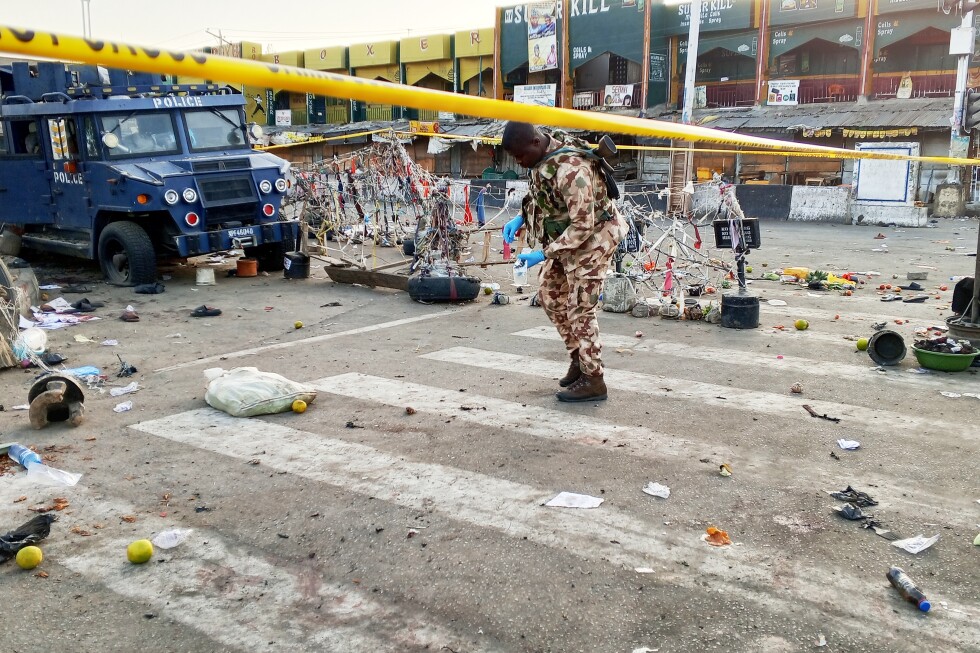
The severity of the situation was highlighted earlier this month when three suspected suicide bombings killed at least 23 people and wounded 108 others in Maiduguri, the capital of Borno state. While no organization claimed responsibility, local authorities suspect Boko Haram’s involvement.
The security crisis has intensified with the incursion of militant groups from neighboring Sahel countries. Jama’at Nusrat al-Islam wal-Muslimin, a coalition of jihadist groups operating primarily in Mali, claimed its first attack on Nigerian soil last year, signaling the regionalization of the conflict.
According to United Nations data, the insurgency has claimed more than 40,000 lives since 2009, with security analysts criticizing the Nigerian government’s response as insufficient to protect its citizens.
The U.S.-Nigeria security partnership was reportedly strengthened following concerns raised by President Donald Trump regarding targeted attacks against Christians in the country. This relationship has gained additional strategic significance after Niger, which previously hosted a major U.S. drone base, expelled American troops following a military coup in the country.
On December 26, U.S. forces conducted strikes against Islamic State positions, demonstrating an escalating American military engagement in the region. This operational shift reflects Washington’s broader counterterrorism strategy in West Africa, as it adapts to changing political realities and emerging security threats across the Sahel.
The deployment represents a significant enhancement of Nigeria’s intelligence and surveillance capabilities in its fight against armed groups, though questions remain about how this increased U.S. military presence will shape the regional security dynamics in the long term.
Fact Checker
Verify the accuracy of this article using The Disinformation Commission analysis and real-time sources.

16 Comments
I’m curious to learn more about the specific goals and limitations of this US security assistance to Nigeria. Providing intelligence and training support could be valuable, but the use of drones raises some concerns.
Monitoring the ongoing developments in this partnership will be important to ensure it remains focused on the stated objectives and does not escalate into a more direct military role.
The use of advanced drones for intelligence-gathering and training purposes makes sense as part of this security partnership. I’m curious to learn more about the specific capabilities of the MQ-9 Reaper and how they’ll be utilized.
It’s good to see the US and Nigeria working together to address these security challenges, though the details of the drone deployment will be important to monitor.
The deployment of US drones and troops to Nigeria is a significant development that warrants close attention. I hope this partnership can effectively address the security challenges without escalating the situation or leading to unintended consequences.
It will be important to monitor how this collaboration unfolds and whether the focus remains on intelligence, training, and advisory roles as described.
This news about the US sending drones and troops to Nigeria is intriguing. I’m curious to learn more about the specific security challenges that have prompted this level of support and how the US and Nigerian governments plan to work together to address them.
Providing intelligence and training assistance could be valuable, but the use of advanced drones raises some concerns that will need to be carefully managed.
Interesting to see the US sending drones and troops to Nigeria to assist with intelligence and training. I wonder what specific challenges Nigeria is facing that require this level of support.
Given the complexity of the security situation in the region, this kind of collaboration could be crucial in addressing the insurgency crisis.
This deployment of US troops and drones to Nigeria is a significant escalation of involvement in the region. I hope the focus remains on intelligence, training, and advisory roles rather than direct combat operations.
The security challenges in Nigeria are complex, so I’m glad to see the US providing this type of support, but it will be important to ensure the mission stays within those stated parameters.
This news about the US sending drones and troops to Nigeria raises some interesting questions about the nature and scope of this security assistance. I’m curious to learn more about the specific challenges facing Nigeria and how this collaboration is expected to help.
Providing intelligence and training support could be valuable, but the use of advanced drones requires careful consideration to ensure it aligns with the stated objectives.
The deployment of US troops and drones to Nigeria is a significant development in the security landscape of the region. I hope this collaboration can effectively address the insurgency crisis without leading to further instability.
It will be important to closely follow how this partnership evolves and whether the stated goals of intelligence support and training are maintained.