


Listen to the article
U.S. forces have seized a sixth sanctioned oil tanker in the Caribbean Sea, continuing the Trump administration’s aggressive campaign to take control of Venezuelan oil assets, officials announced Thursday.
The Coast Guard boarded the Veronica early Thursday morning, according to Homeland Security Secretary Kristi Noem, who shared details of the operation on social media. Marines and sailors launched from the aircraft carrier USS Gerald R. Ford alongside a Coast Guard tactical team to execute the capture, which military officials described as occurring “without incident.”
Government social media accounts released dramatic footage showing helicopters hovering over the vessel while armed troops descended by rope onto the deck. At least nine individuals were visible on the ship during the operation.
The Veronica is the fourth vessel seized since the surprise U.S. military operation that removed Venezuelan President Nicolás Maduro from power nearly two weeks ago. This latest action reinforces the Trump administration’s expanding control over Venezuela’s petroleum industry and its global distribution networks.
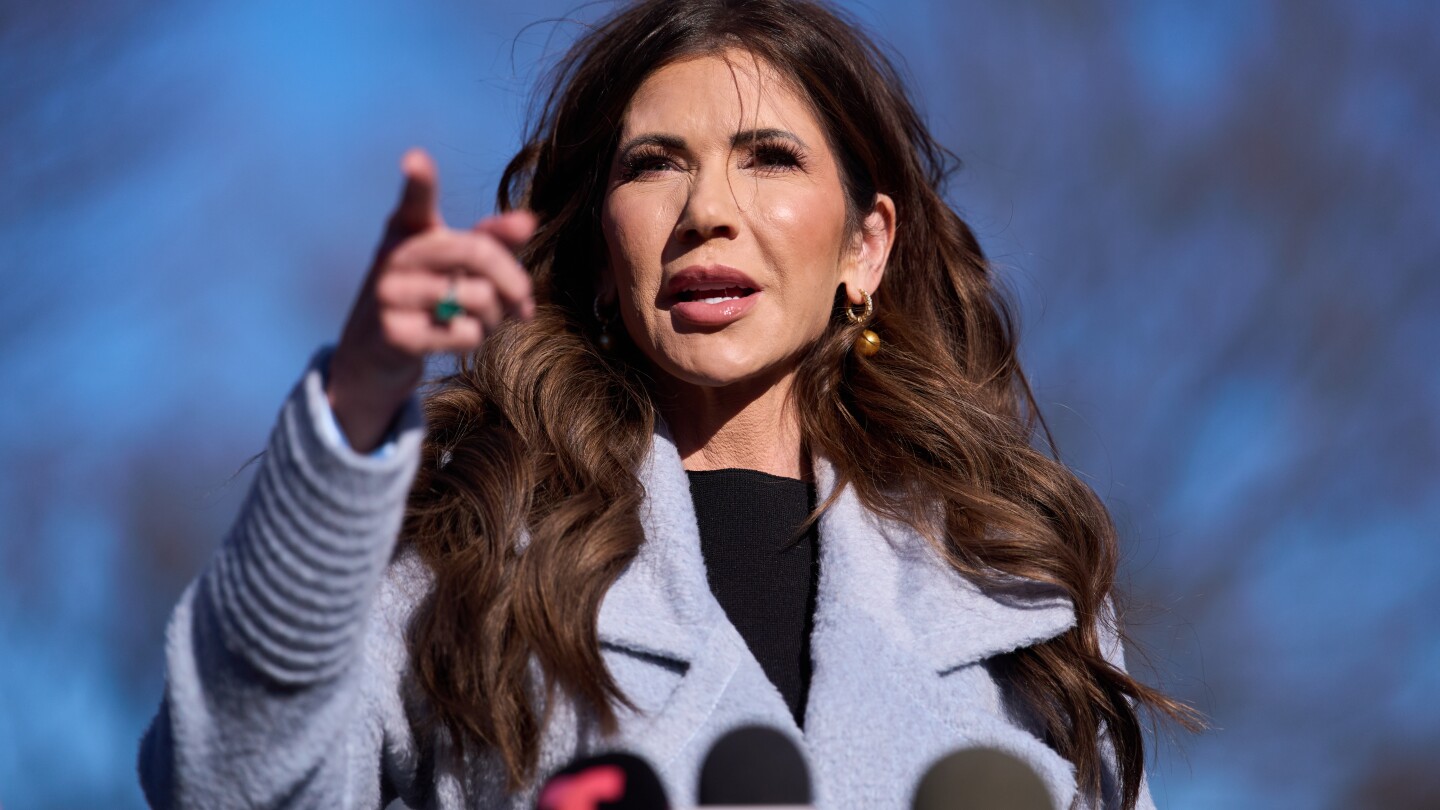
“There is no outrunning or escaping American justice,” Noem stated in her announcement of the seizure.
Maritime tracking data shows the Veronica last transmitted its location on January 3 while anchored off Aruba’s coast, just north of Venezuela’s main oil terminal. The vessel was reportedly partially filled with crude oil at that time.
According to Samir Madani, co-founder of TankerTrackers.com, the Veronica was among at least 16 tankers that departed Venezuelan waters in defiance of what U.S. officials have characterized as a “quarantine” of sanctioned vessels in the Caribbean. Madani’s organization documented these movements using satellite imagery and surface-level photographs.
The tanker is currently registered under the flag of Guyana and is considered part of the “shadow fleet” that transports oil cargoes in violation of U.S. sanctions. Its complex ownership history reflects the murky world of sanctioned oil transportation. Registration data indicates the vessel was previously known as the Gallileo, owned and managed by a Russian company. A tanker with identical registration numbers sailed under the name Pegas and was sanctioned by the U.S. Treasury Department for its association with a Russian firm transporting illicit oil.
When questioned by reporters at the White House about how many additional sanctioned tankers the U.S. might be monitoring, Noem declined to provide specifics, saying only, “I can’t speak to the specifics of the operation, although we are watching the entire shadow fleet and how they’re moving.”
While administration officials have framed these seizures as law enforcement actions, they have made little effort to conceal their broader economic objectives. The Trump administration has openly discussed using seized Venezuelan oil assets to finance the country’s economic reconstruction.
Last week, President Trump met with oil industry executives to outline his vision for injecting $100 billion into Venezuela to rehabilitate its deteriorating oil infrastructure. Administration officials have stated they expect to sell between 30 million and 50 million barrels of sanctioned Venezuelan oil that has come under U.S. control through these operations.
The series of tanker seizures represents a significant escalation in the administration’s approach to Venezuela, combining military, economic, and diplomatic pressure to reshape the South American nation’s future. Energy analysts note these actions could have far-reaching implications for global oil markets and international maritime law.
Venezuela possesses the world’s largest proven oil reserves, but its production has collapsed in recent years due to mismanagement, corruption, and the impact of international sanctions. The country’s petroleum industry, once the foundation of its economy, now operates at a fraction of its former capacity.
As the U.S. continues its Caribbean naval operations targeting Venezuelan oil assets, international observers remain divided on the legality and long-term implications of these actions in international waters.
Fact Checker
Verify the accuracy of this article using The Disinformation Commission analysis and real-time sources.

17 Comments
The US is clearly willing to use military force to enforce its will over Venezuela’s oil industry. While the legal justifications may exist, this heavy-handed approach risks making the crisis even worse.
The US appears intent on strangling Venezuela’s oil exports through these aggressive seizures. While the legal rationale may exist, this approach seems more likely to prolong the crisis than resolve it.
This latest seizure is part of the Trump administration’s aggressive efforts to control Venezuela’s oil. While the motives may be geopolitical, the impacts on ordinary Venezuelans are worrying.
You’re right, the focus should be on restoring democracy and alleviating the suffering of the Venezuelan people, not just securing oil assets. A more balanced approach is needed.
Intercepting and seizing Venezuelan tankers is a dramatic escalation in the US campaign to control the country’s oil. The humanitarian costs of these actions should not be overlooked.
Agreed, the humanitarian situation in Venezuela is dire and these sanctions are likely to exacerbate the suffering of ordinary citizens. A more nuanced, diplomatic approach is needed.
While the legal justifications for seizing these tankers may exist, the human toll of these actions should not be overlooked. The US needs to carefully weigh the humanitarian consequences of its Venezuela policy.
Well said. Sanctions and seizures often backfire and end up hurting ordinary citizens more than the intended targets. A more balanced, diplomatic approach is called for here.
Seizing vessels and tightening the economic noose around Venezuela is a risky strategy. The US should be careful not to exacerbate the humanitarian crisis or undermine prospects for a peaceful resolution.
Agreed. Escalating the confrontation through military means is concerning and could lead to unintended consequences. Diplomacy and humanitarian aid should be the priority.
This latest tanker seizure is part of the Trump administration’s broader efforts to tighten its grip on Venezuela’s oil industry. The human costs of these actions deserve more attention.
Absolutely. Sanctions and seizures often end up hurting regular citizens more than the target regime. A more balanced, diplomatic approach focused on restoring democracy would be better.
This seems like another aggressive move by the US to seize control of Venezuela’s oil assets. While sanctions may be justified, I worry this could further destabilize the region and hurt ordinary Venezuelans.
I agree, the US actions are heavy-handed and could backfire. A more diplomatic approach focused on restoring democracy and easing the humanitarian crisis would be better.
Sanctions and seizures of tankers are blunt instruments that don’t seem to be achieving the desired outcomes in Venezuela. This will likely just heighten tensions and make the situation more volatile.
You raise a fair point. Sanctions often end up hurting regular citizens more than the target regime. A more nuanced, multilateral approach may be needed to resolve the crisis.
Intercepting Venezuelan oil tankers is a dramatic show of force, but the long-term impacts on the Venezuelan people are concerning. A more nuanced strategy may be needed to resolve this crisis.