


Listen to the article
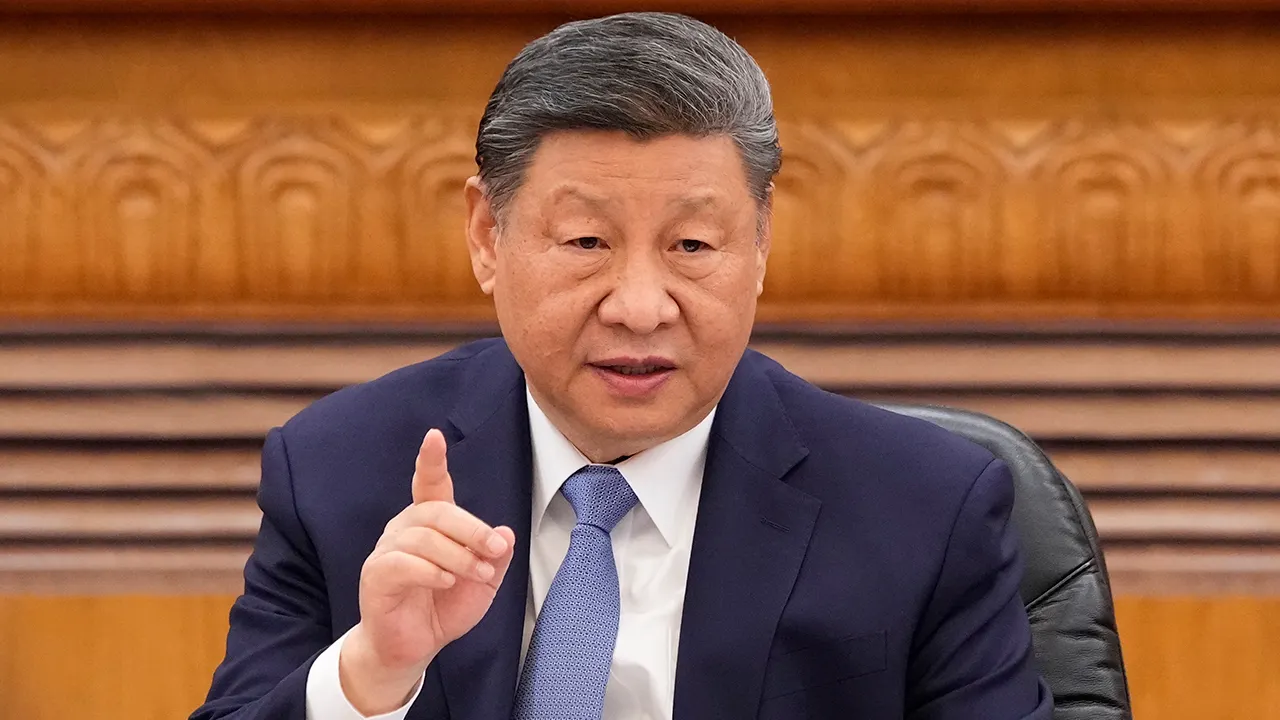
China has condemned U.S. pressure on Cuba, calling for an immediate end to sanctions and the decades-long embargo in a strongly worded statement that highlights growing tensions in the region following Washington’s dramatic capture of Venezuelan President Nicolás Maduro.
“China is deeply concerned about and strongly condemns the U.S. moves, and urges the U.S. to stop depriving the Cuban people of their rights to subsistence and development, stop disrupting regional peace and stability, stop its violations of international law, and immediately lift its blockade and sanctions against Cuba,” the Chinese Ministry of Foreign Affairs declared in a statement posted on X Tuesday morning.
The statement, which was shared by China’s embassy in the United States, reflects Beijing’s long-standing pattern of supporting smaller communist governments it claims face foreign threats, particularly Cuba and Venezuela.
China’s intervention comes amid rapidly escalating U.S.-Cuba tensions following the capture of Maduro earlier this month—an operation that severely disrupted Cuba’s access to Venezuelan oil and triggered outrage from Havana. President Donald Trump declared in the aftermath that Cuba would no longer receive oil or money from Venezuela, effectively severing a critical energy and financial lifeline that has sustained the island nation for years.
The loss of Venezuelan oil represents a potentially devastating blow to Cuba’s economy, which has relied heavily on preferential energy agreements with Caracas since the early 2000s. Under these arrangements, Venezuela has supplied Cuba with heavily discounted oil in exchange for Cuban medical professionals, security advisors, and other forms of assistance.
Cuban President Miguel Díaz-Canel has maintained a defiant stance, stating that his administration is not negotiating with Washington despite Trump’s threats to pressure Cuba into a deal now that its Venezuelan oil supply has been cut off.
According to reporting from The Wall Street Journal, the Trump administration is actively seeking Cuban officials willing to strike a deal that could facilitate regime change on the island by the end of 2026. This aggressive approach marks a significant shift from previous U.S. policy toward Cuba.
In June, Trump took additional steps to isolate the Cuban government by signing a National Security Presidential Memorandum that tightened U.S. policy toward the island. The directive reinforced existing sanctions and travel bans, restricted financial dealings with Cuban military-linked entities, and strengthened enforcement of the economic embargo that has been in place since the early 1960s.
While U.S. officials have stated that no naval blockade is currently in place, they have indicated it remains an option—a prospect that would further isolate Cuba’s already struggling economy. The country faces chronic shortages of food, medicine, and fuel, problems that have worsened in recent years due to the pandemic, tightened U.S. sanctions, and Cuba’s own economic mismanagement.
Beijing’s vocal opposition to U.S. policy toward Cuba underscores China’s growing influence and interests in Latin America. Over the past decade, China has significantly increased its economic presence in the region through trade, loans, and infrastructure projects. For Cuba specifically, China has emerged as a crucial trading partner and investor, helping to offset some of the impacts of U.S. sanctions.
China’s statement frames U.S. economic pressure on communist governments as a threat to regional stability, consistent with Beijing’s broader criticism of what it characterizes as Washington’s interventionist foreign policy. This positioning allows China to present itself as a defender of smaller nations’ sovereignty while expanding its own influence in regions traditionally dominated by U.S. interests.
As tensions continue to rise, the future of U.S.-Cuba relations remains uncertain, with significant implications for regional stability, Cuban economic survival, and the ongoing geopolitical competition between the United States and China in Latin America.
Fact Checker
Verify the accuracy of this article using The Disinformation Commission analysis and real-time sources.

9 Comments
China’s strong condemnation of the U.S. actions reflects their longstanding support for Cuba and opposition to American hegemony in the region. This is a complex geopolitical chess game with high stakes for all involved.
This is a complex geopolitical situation. While I understand the U.S. rationale, the sanctions and embargo on Cuba seem overly punitive and are clearly having a negative impact on the Cuban people.
The U.S. capture of Maduro seems to have seriously impacted Cuba’s access to Venezuelan oil, which is very worrying. China’s strong condemnation of these moves highlights the growing rifts between global powers.
It will be interesting to see how this plays out and what the broader regional implications might be. The U.S. and China appear to be on opposite sides of this issue.
China’s support for smaller communist governments like Cuba and Venezuela is well-documented. Their criticism of the U.S. actions is not surprising, but it does underscore the growing tensions between the two superpowers.
This latest U.S. pressure on Cuba is concerning. China is right to call for an end to the decades-long embargo and sanctions that have hurt the Cuban people. Geopolitical tensions in the region are clearly escalating.
This is a concerning development. The U.S. sanctions and pressure on Cuba are clearly having a destabilizing effect, as China rightly points out. It will be important to monitor how this situation evolves.
The U.S.-Cuba tensions have ebbed and flowed for decades. This latest escalation, linked to the Maduro capture, seems to be another flare-up. It will be crucial to see if diplomatic efforts can de-escalate the situation.
Agreed. Maintaining regional stability and minimizing harm to civilian populations should be the priority for all involved parties, despite the geopolitical rivalries at play.