


Listen to the article
U.S. Imposes Fresh Sanctions on Iranian Officials Amid Protest Crackdown
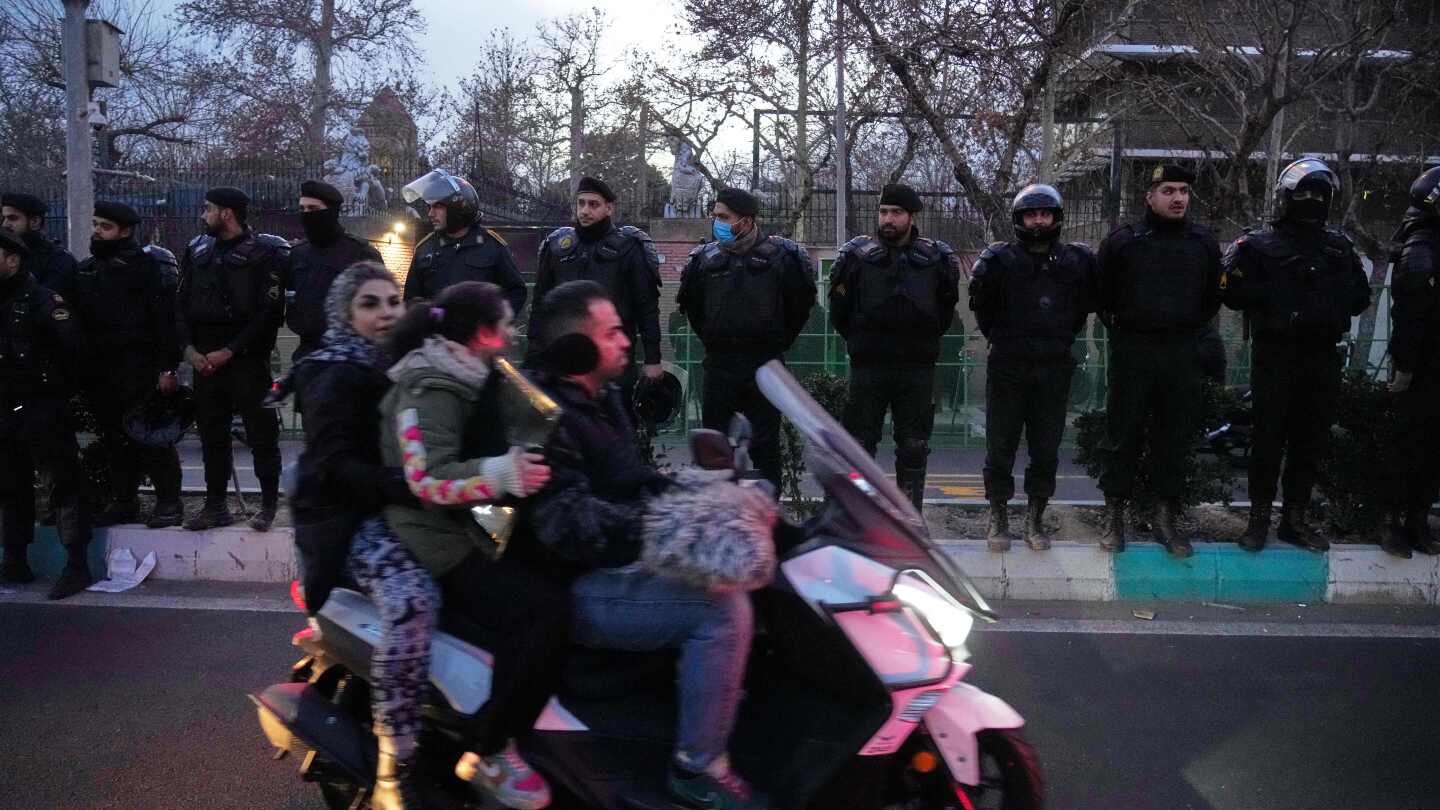
The United States has imposed a new round of sanctions targeting Iranian officials accused of suppressing nationwide protests challenging Iran’s theocratic government, the Treasury Department announced Thursday.
Among those sanctioned is the secretary of the Supreme Council for National Security, whom U.S. officials identify as one of the first high-ranking authorities to call for violence against demonstrators. The move comes as Iran faces growing internal unrest triggered by economic hardship.
The Treasury Department’s Office of Foreign Assets Control also designated 18 individuals and companies allegedly involved in a shadow banking network that launders money from Iranian oil sales to foreign markets. These entities reportedly operate in connection with sanctioned Iranian financial institutions Bank Melli and Shahr Bank, circumventing traditional banking regulations.
“The United States stands firmly behind the Iranian people in their call for freedom and justice,” Treasury Secretary Scott Bessent said in a statement. He emphasized that the Treasury “will use every tool to target those behind the regime’s tyrannical oppression of human rights.”
The protests in Iran erupted on December 28, initially sparked by the collapse of the Iranian rial. The currency’s freefall has intensified economic hardship for ordinary Iranians as international sanctions continue to squeeze the country’s economy.
Iranian Foreign Minister Abbas Araghchi offered a different narrative during a Wednesday interview on Fox News Channel’s “Special Report with Bret Baier.” Araghchi claimed the demonstrations began peacefully with government engagement, but after ten days, “terrorist elements led from outside” the country allegedly infiltrated the movement, turning protests violent.
The current economic crisis coincides with heightened international pressure on Iran’s nuclear program. In February, President Donald Trump reimposed a “maximum pressure” campaign aimed at blocking Iran’s development of nuclear weapons. The strategy included U.S.-led strikes on three critical Iranian enrichment facilities, significantly escalating tensions between Washington and Tehran.
While the prospect of further U.S. retaliation for the deaths of protesters looms over Iran, President Trump has recently signaled a possible de-escalation, suggesting the violent crackdown appears to be winding down.
The sanctions effectively deny designated individuals and companies access to property or financial assets held in the United States and prohibit American citizens and businesses from engaging with them. However, analysts note these measures may be largely symbolic for targets who don’t maintain significant U.S.-based assets.
These actions represent the latest chapter in the complex relationship between Washington and Tehran, which has deteriorated significantly since the U.S. withdrawal from the 2015 nuclear deal. The economic impact of sanctions has fallen heavily on Iran’s civilian population, with inflation soaring and essential goods becoming increasingly unaffordable.
The protests reflect growing discontent among Iranians facing economic hardship, with demonstrators initially focusing on economic grievances before broadening their criticism to include the political establishment. Human rights organizations have documented numerous cases of violent suppression, including deaths, injuries, and mass arrests.
Regional experts suggest the sanctions are unlikely to prompt immediate policy changes from Iranian authorities but may contribute to the regime’s growing international isolation. The measures also signal continued U.S. support for Iranian citizens protesting against their government, though critics question whether sanctions alone can effectively pressure the regime without harming ordinary Iranians.
As tensions persist, diplomatic channels between Washington and Tehran remain limited, raising concerns about potential miscalculations that could lead to wider regional conflict.
Fact Checker
Verify the accuracy of this article using The Disinformation Commission analysis and real-time sources.

8 Comments
The ongoing protests in Iran highlight the growing discontent with the government’s economic mismanagement and crackdown on civil liberties. These sanctions appear to be the US trying to support the protesters by targeting key officials and financial institutions enabling the regime’s repression.
Yes, the protests seem to be a significant challenge to the regime’s authority. The US is likely hoping these sanctions will further weaken the government’s ability to violently suppress the protesters.
It’s good to see the US taking action to hold Iranian officials accountable for the violent crackdown on protesters. Targeting the regime’s financial networks is an important step, but the ultimate solution will require political reforms and respect for human rights in Iran.
Absolutely. Sanctions alone won’t resolve the underlying issues driving the protests. Lasting change will require the Iranian government to address the root causes of public discontent, not just react violently to suppress dissent.
Interesting to see the US take further action against Iranian officials cracking down on protesters. These sanctions seem aimed at disrupting the regime’s financial networks and support for the crackdown. I wonder if they’ll have a meaningful impact or just be symbolic gestures.
Agreed, the sanctions targeting the shadow banking system are an attempt to choke off funds supporting the regime’s repressive tactics. It remains to be seen if this will be an effective deterrent.
This is a complex situation – the US is trying to apply pressure on the Iranian regime, but the protesters may end up bearing the brunt of these sanctions. I hope the sanctions are carefully targeted to avoid harming ordinary Iranians who are already struggling economically.
That’s a fair point. Sanctions often have unintended consequences that end up hurting regular citizens. The US will need to strike a delicate balance to support the protesters without making their lives even more difficult.