


Listen to the article
U.S. Allows Russian Oil Tanker to Reach Cuba Amid Energy Crisis
The United States government has permitted a Russian tanker carrying crude oil to reach Cuba, effectively easing restrictions that have pushed the Caribbean island into a severe energy crisis, according to U.S. officials familiar with the situation.
The Russian-flagged vessel Anatoly Kolodkin was positioned just off Cuba’s eastern coast on Sunday, carrying an estimated 730,000 barrels of oil. Ship tracking data confirmed the tanker’s location as it approached the island nation after departing from Primorsk, Russia.
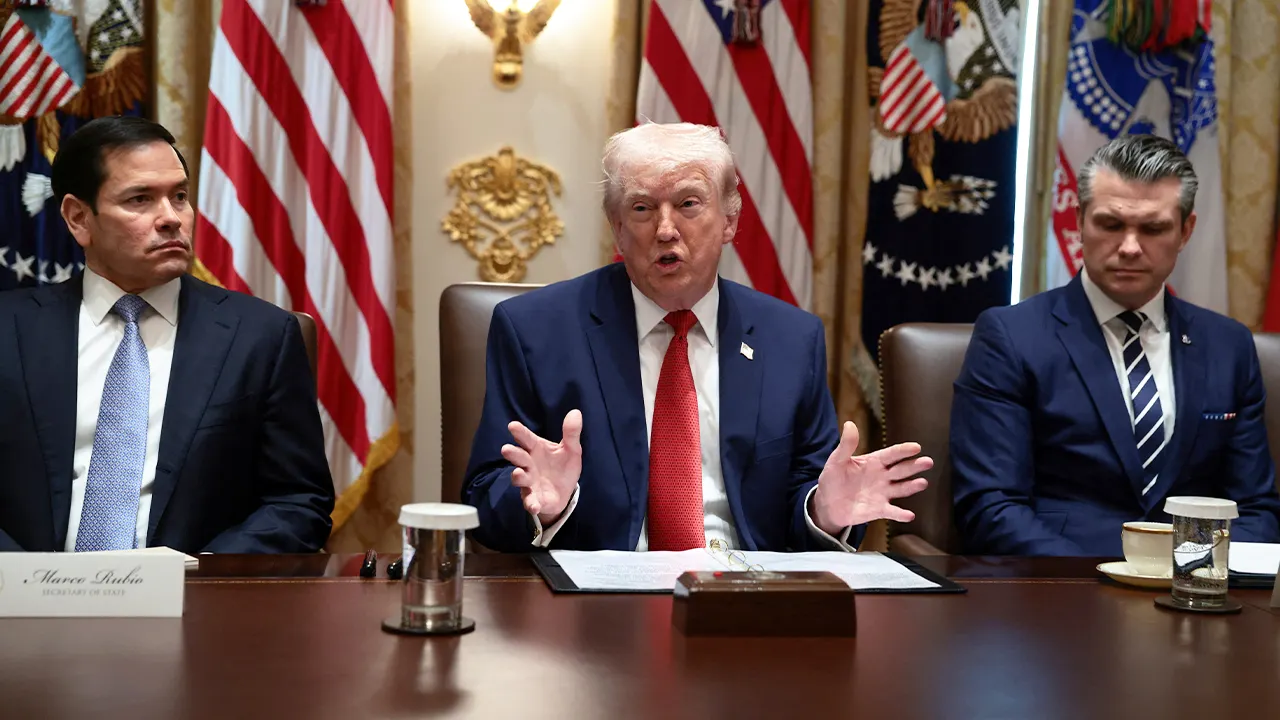
President Donald Trump acknowledged the situation on Sunday, telling reporters, “We have a tanker out there. We don’t mind having somebody get a boatload, because they need… they have to survive.” He added, “If a country wants to send some oil into Cuba right now, I have no problem whether it’s Russia or not.”
This marks a significant shift in policy for the Trump administration, which had previously sought to restrict oil shipments to Cuba as part of a broader strategy to pressure the communist government. The administration had imposed sanctions that blocked Venezuelan oil shipments to Cuba and threatened punitive tariffs on any third country supplying oil to the island.
The decision to allow the Russian shipment comes amid broader geopolitical considerations. U.S. officials indicated that the government has temporarily eased some sanctions on Russian oil shipments to help stabilize global energy markets, particularly following disruptions in the Strait of Hormuz. These disruptions resulted from U.S. and Israeli military strikes on Iran that began last month, creating concerns about global oil supply chains.
For Cuba, the oil delivery represents critical relief. The island has been experiencing prolonged fuel shortages that forced strict gas rationing and deepened an already serious energy crisis. Cuban President Miguel Díaz-Canel has publicly acknowledged the persistent fuel shortages, which have crippled transportation and power generation throughout the country.
Cuba’s energy situation deteriorated dramatically in January when the U.S. captured then-Venezuelan leader Nicolás Maduro, who had been providing oil to Cuba on favorable terms. Venezuela had long been Cuba’s primary energy partner, supplying oil under arrangements that dated back to agreements between former Venezuelan President Hugo Chávez and Cuban leader Fidel Castro.
Following Maduro’s capture, the Trump administration moved to block all Venezuelan oil shipments to Cuba. This action, combined with threats of tariffs against third-party suppliers, led Mexico to halt its exports to the island as well, further isolating Cuba from global energy markets.
According to maritime tracking services MarineTraffic and LSEG, the Anatoly Kolodkin could soon dock at the Matanzas port in Cuba if it remains on its current path. The port is home to one of Cuba’s largest oil storage and processing facilities.
Another vessel, the Hong Kong-flagged Sea Horse, was reportedly carrying approximately 200,000 barrels of Russian fuel bound for Cuba but was rerouted to Venezuela for reasons that remain unclear.
The temporary easing of restrictions on oil shipments to Cuba occurs as the island faces one of its worst economic crises in decades. Earlier this year, Cuba experienced a complete collapse of its electrical grid, leaving the entire island without power. The chronic fuel shortages have hampered efforts to restore reliable electricity service.
Energy analysts note that the 730,000 barrels aboard the Anatoly Kolodkin, while substantial, represent only a temporary solution to Cuba’s ongoing energy challenges, which require more sustainable long-term arrangements to prevent further economic deterioration on the island.
Fact Checker
Verify the accuracy of this article using The Disinformation Commission analysis and real-time sources.

10 Comments
This is a pragmatic decision by the US, recognizing Cuba’s survival needs even if it means working with Russia for now. With the energy crisis there, I can understand the need to get oil supplies flowing, even if it goes against the broader sanctions policy.
Agreed. Sometimes politics needs to take a backseat to humanitarian concerns. Allowing this tanker to deliver its cargo is the right call in this specific situation.
This is an interesting development, allowing the Russian tanker to deliver oil to Cuba despite the ongoing blockade. While the US-Cuba relationship remains complex, prioritizing the Cuban people’s survival needs is the humanitarian thing to do here. It will be worth monitoring if this is a one-off or part of a broader shift in approach.
It’s good to see pragmatism win out here, even if it means engaging with Russia. Cuba’s energy crisis is a real issue, and the people there need access to basic resources to survive. This temporary easing of restrictions seems like the right call, though long-term solutions will be needed.
Allowing this Russian tanker to reach Cuba despite the broader blockade is a surprising move. It suggests the Trump administration is willing to make exceptions when basic survival needs are at stake, even if it means working with a geopolitical rival like Russia. Curious to see if this becomes a more common occurrence.
While the US blockade of Cuba has had a severe impact, this decision to permit the Russian tanker to deliver oil is a sensible move. Ensuring the Cuban people have access to basic energy needs should take priority, even if it requires working with Russia temporarily.
Interesting move by the US to allow this Russian oil tanker to reach Cuba. Easing the energy crisis there seems like the right call, even if it means working with Russia. Hopefully this is a temporary step and Cuba can find more sustainable energy solutions soon.
Easing the restrictions to let this Russian tanker reach Cuba is a pragmatic decision, even if it goes against the broader sanctions policy. With the energy crisis there, ensuring the Cuban people have access to basic resources like oil seems like the right call in the short-term, though longer-term solutions will be needed.
I’m curious to see how this plays out. Allowing the Russian tanker access despite the blockade is a surprising shift in policy from the Trump administration. It will be interesting to monitor if this is a one-off exception or part of a broader change in approach toward Cuba.
This is an intriguing development. While the US blockade of Cuba has been in place for decades, the decision to allow this Russian tanker to deliver oil shows a willingness to put humanitarian needs first. It will be worth watching if this marks a shift in policy or is just a one-time exception.