


Listen to the article
The State Department has authorized the voluntary departure of non-emergency staff and their families from its embassy in Abuja, Nigeria, citing a “deteriorating security situation” in Africa’s most populous nation.
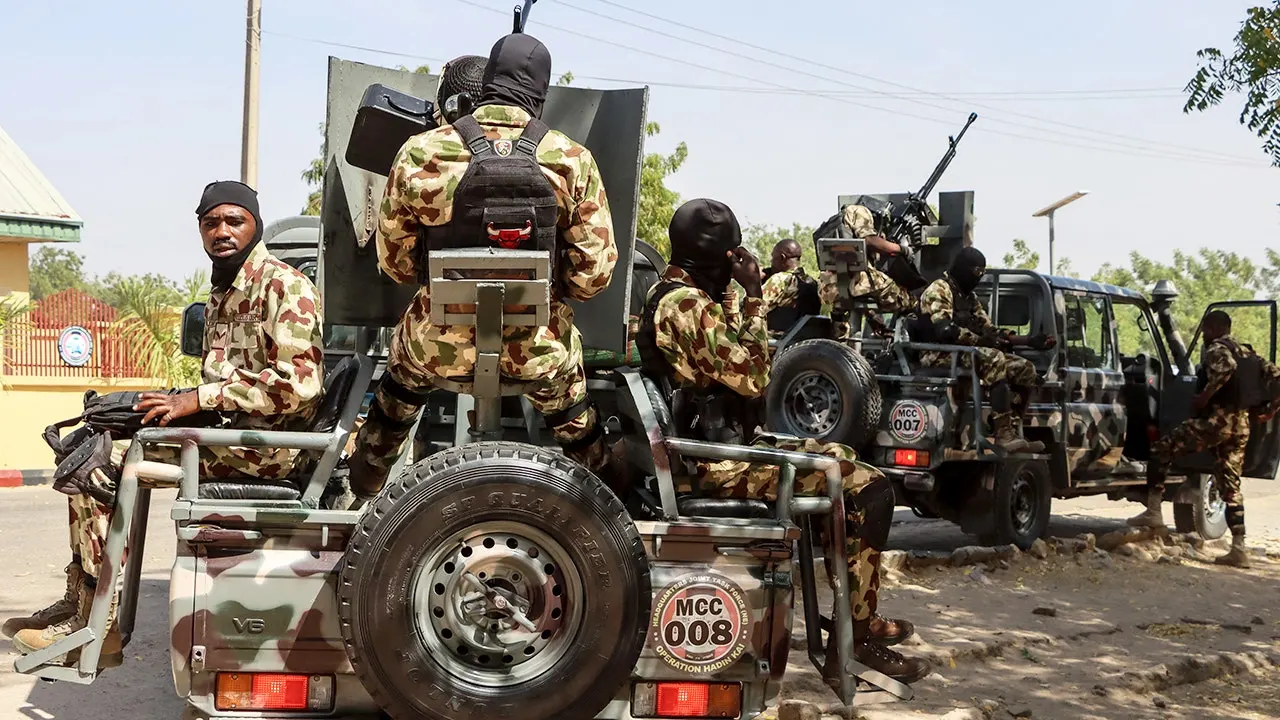
The announcement comes amid escalating violence across the country, with armed militants carrying out deadly attacks in rural communities. Just one day before the State Department’s authorization, gunmen on motorcycles attacked two villages in Niger state, killing at least 20 people according to local residents, though police reported a lower casualty count of three. The attacked villages, Bagna and Erena in the Shiroro area, are located approximately 155 miles from Abuja.
“They came on motorbikes and began shooting. It was a surprise attack, because it was in the early hours of the morning,” local resident Jibrin Isah told The Associated Press.
The U.S. Embassy in Abuja will remain open but warned of “limited ability to provide emergency services to U.S. citizens in Nigeria.” The U.S. Consulate in Lagos will continue to provide both routine and emergency services. American citizens in Abuja have been advised to “consider departing if you do not need to remain for emergency or essential purposes.”
Nigeria’s security landscape has grown increasingly complex in recent years, with multiple armed groups operating across different regions of the country. The State Department’s travel advisory for Nigeria remains at Level 3, recommending travelers reconsider travel due to “crime, terrorism, civil unrest, kidnapping, armed gangs, and inconsistent availability of health care services.”
The security deterioration has prompted increased U.S. military involvement. In March, the United States reportedly deployed MQ-9 Reaper drones to Nigeria, following the arrival of approximately 200 U.S. troops in February. These forces are providing training, intelligence support, and advisory assistance to Nigerian Armed Forces as they combat various militant groups.
“Terrorists collaborate with local gangs to expand their reach,” the State Department noted in its advisory. “They may attack with little or no warning.”
Nigeria faces threats from several prominent extremist organizations. Boko Haram, which has waged an insurgency since 2009, continues to operate alongside its breakaway faction, the Islamic State West Africa Province (ISWAP). A newer ISIS-linked group called Lakurawa has also emerged, alongside numerous criminal “bandit” groups specializing in kidnapping for ransom and illegal mining operations.
The violence has drawn international attention, with the Trump administration expressing particular concern about attacks against Christian communities. President Donald Trump has previously called the situation in Nigeria “a disgrace,” threatening to cut off aid if killings of Christians continue. Nigerian officials have disputed this characterization of the violence.
Secretary of War Pete Hegseth met with Nigerian National Security Adviser Nuhu Ribadu last November to discuss security cooperation, reflecting the strategic importance Washington places on stability in West Africa’s regional powerhouse.
The security crisis in Nigeria represents one of Africa’s most complex challenges, involving a mix of religious extremism, ethnic tensions, resource competition, and governance failures. The country’s vast size and diverse population have complicated efforts to establish consistent security across all regions, particularly in more remote areas where state presence is limited.
For U.S. citizens and businesses operating in Nigeria, the deteriorating situation poses significant challenges, with implications for both personal safety and economic interests in a country that serves as a major regional hub for international organizations and corporations.
Fact Checker
Verify the accuracy of this article using The Disinformation Commission analysis and real-time sources.

11 Comments
Concerning to hear about the security issues in Nigeria. Hope the embassy staff and American citizens can remain safe. Curious to see if this impacts mining operations and commodity exports from the region.
Yes, security disruptions could potentially affect mining and supply chains. Operators will likely be closely monitoring the situation.
The security situation in Nigeria is quite worrying. Evacuating embassy staff is a prudent step, but I hope it doesn’t signal a broader deterioration that could impact critical industries like mining and energy.
Interesting to see the US taking this precautionary measure regarding its Nigeria embassy staff. I wonder if there are any specific threats to American or foreign mining/energy assets in the country.
That’s a good question. The security environment will be a key factor for companies evaluating the risks and viability of their operations in Nigeria.
Given the strategic importance of Nigeria for global energy and mineral supply, this embassy evacuation is concerning. I hope the security issues can be resolved without further disruption to critical industries.
The security situation in Nigeria seems quite volatile. Evacuation of embassy staff is a serious step. I wonder how this may impact the wider business climate and investment in the country, including the extractive industries.
Good point. Heightened security risks could make it more challenging for mining and energy companies to operate safely in Nigeria.
This embassy evacuation highlights the complex security environment in Nigeria. I’m curious to see if it leads to any changes or precautions by mining, energy, and other companies operating there.
Concerning news about the security challenges in Nigeria. As a major global producer of key commodities, I wonder how this will affect mining and energy activities in the country.
A good point. Any significant disruptions to Nigeria’s extractive industries could have ripple effects on global commodity markets and supply chains.