


Listen to the article
The Trump administration is considering intervention in the case of a protester fined for burning a Quran outside the Turkish Consulate in London, as British prosecutors attempt to reinstate his overturned conviction, according to recent reports.
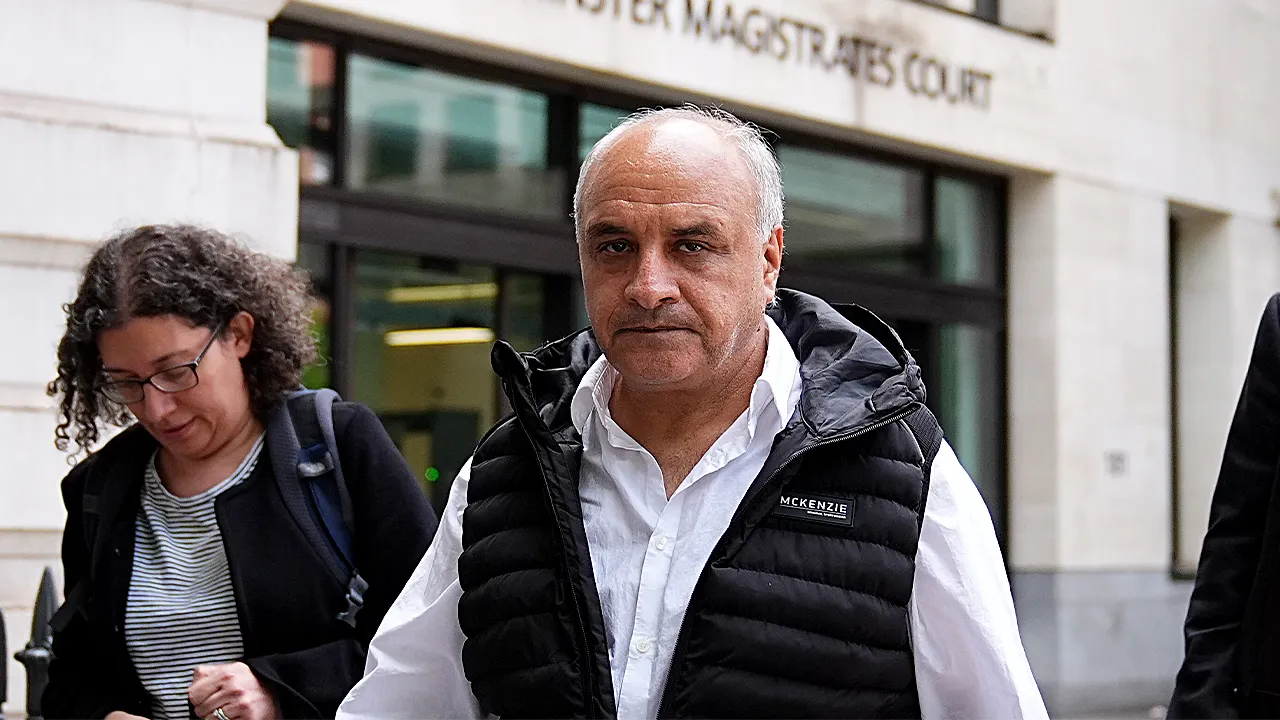
U.S. officials are reportedly discussing the possibility of granting refugee status to 51-year-old Hamit Coskun should the Crown Prosecution Service (CPS) succeed in its appeal. A senior U.S. administration official told The Telegraph that Coskun’s case is one of several “the administration has made note of.”
Coskun, who is of Armenian-Kurdish descent, previously sought asylum in the United Kingdom from Turkey. He claims Islamic extremists “destroyed” his family’s life in Turkey, where he was also imprisoned for protesting against Islamist governance.
The case centers on events from February 13, 2025, when Coskun traveled to the Turkish Consulate in London and set fire to a copy of the Quran while shouting slogans including “Islam is the religion of terrorism” and expletive-laden criticisms of the faith. During this protest, he was attacked by a passerby, Moussa Kadri, who chased him with a knife, kicked him, and spat on him. Kadri later received a suspended prison sentence after being convicted of assault and possession of a bladed article in public.
Coskun was initially charged with harassing the “religious institution of Islam,” a case that prompted intervention from free speech advocacy groups including the National Secular Society and the Free Speech Union. These organizations argued that prosecutors were effectively reviving blasphemy laws that had been abolished in the UK in 2008.
In June 2025, Coskun was convicted of a religiously aggravated public order offense and fined. However, his conviction was overturned in October when a judge ruled that while burning a Quran was “desperately upsetting and offensive” to many Muslims, the right to free expression “must include the right to express views that offend, shock or disturb.”
The CPS is now seeking to reverse that decision at London’s High Court. Coskun has indicated that if the appeal goes against him, he may be forced “to flee” the UK.
“For me, as the victim of Islamic terrorism, I cannot remain silent. I may be forced to flee the UK and move to the USA, where President Trump has stood for free speech and against Islamic extremism,” he told The Telegraph.
Coskun added, “If I have to do so, then, to me, the UK will have effectively fallen to Islamism and the speech codes that it wishes to impose on the non-Muslim world.”
The case highlights growing tensions between the U.S. and European approaches to freedom of expression. The Trump administration has increasingly criticized the UK and other European governments over what it perceives as restrictions on free speech.
In 2025, President Trump publicly criticized the UK’s laws regarding online speech, stating that “strange things are happening” there and that it was “not a good thing.” Similarly, Vice President JD Vance expressed concern at the 2025 Munich Security Conference, stating, “In Britain and across Europe, free speech, I fear, is in retreat.”
This case comes amid broader international debates about the limits of free expression, particularly regarding religious criticism. In recent years, European countries have grappled with balancing protection against religious hatred with preserving freedom of speech. The UK, despite abolishing its formal blasphemy laws in 2008, continues to prosecute cases under public order legislation when religious expression is deemed to cross certain boundaries.
Legal experts note that the outcome of this case could set an important precedent for how the UK handles similar incidents in the future. If the CPS succeeds in reinstating Coskun’s conviction, it could signal a tightening of restrictions on religious criticism in the public sphere.
The Department of State has not yet issued an official comment on the matter, but the administration’s interest suggests potential diplomatic implications should the UK courts rule against Coskun.
Fact Checker
Verify the accuracy of this article using The Disinformation Commission analysis and real-time sources.

6 Comments
Quran-burning is an extremely provocative act that can inflame religious tensions. While the protester may have a valid claim of persecution in Turkey, the US will need to carefully weigh the implications of granting him asylum.
This case highlights the difficulties in balancing individual rights with the need for social cohesion. It will be a delicate decision for the US administration, with potential domestic and international ramifications.
The Trump administration’s interest in this case highlights the delicate balance between freedom of expression and respect for religious beliefs. It will be interesting to see if they deem the protester’s actions worthy of asylum on the grounds of political persecution.
This is a complex issue that touches on themes of immigration, extremism, and the limits of free speech. I look forward to seeing how the legal proceedings and potential US intervention unfold.
This is a complex case with religious and political tensions. I’m curious to see how the US administration will handle the potential asylum request, given the controversial nature of Quran-burning protests.
The protester’s claims of persecution in Turkey will likely be a key factor in the asylum decision. Granting refugee status for an act considered offensive by many would be a bold and potentially controversial move.