


Listen to the article
U.S. Sets June Deadline for Ukraine-Russia Peace Deal Amid Fresh Energy Grid Attacks
The United States has imposed a June deadline for Ukraine and Russia to reach a peace agreement to end the conflict that has raged for nearly four years, Ukrainian President Volodymyr Zelenskyy revealed on Saturday. His announcement came as Russian forces launched a massive overnight attack on Ukraine’s energy infrastructure, forcing nuclear power plants to reduce output and expanding power outages across the country.
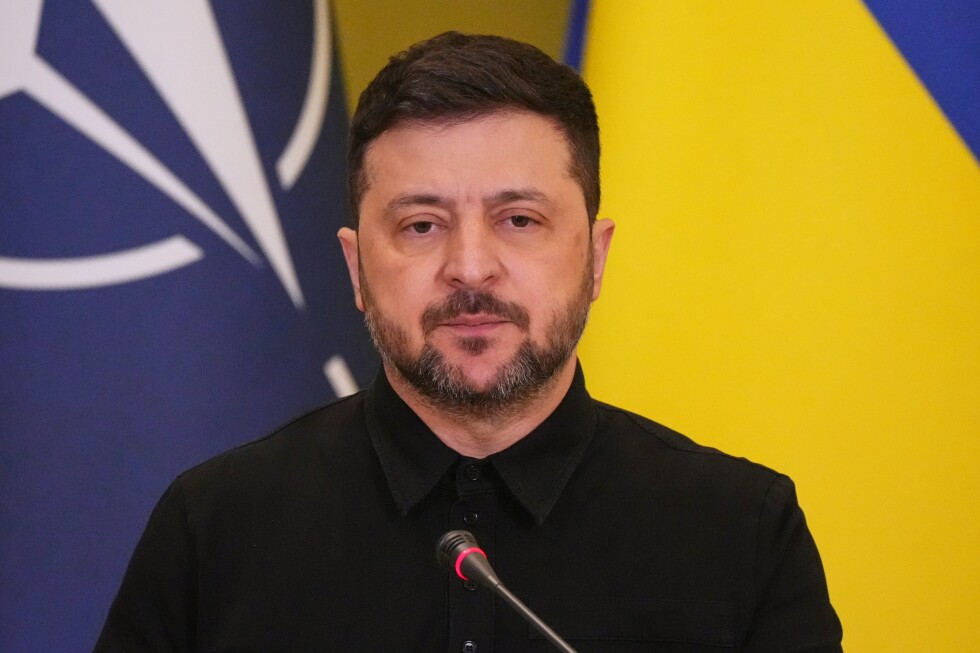
“The Americans are proposing the parties end the war by the beginning of this summer and will probably put pressure on the parties precisely according to this schedule,” Zelenskyy told reporters during a Friday briefing whose contents were embargoed until Saturday morning.
According to Zelenskyy, U.S. officials have emphasized their commitment to ending the war and have outlined a specific timeline. “They say that they want to do everything by June. And they will do everything to end the war. And they want a clear schedule of all events,” he stated.
The Ukrainian leader also revealed that the U.S. has proposed holding the next round of trilateral talks on American soil for the first time, likely in Miami. “We confirmed our participation,” he added.
The June deadline comes after U.S.-brokered talks in Abu Dhabi failed to produce a breakthrough. Both sides remain entrenched in contradictory positions, with Russia demanding Ukraine withdraw from the Donbas region—a condition Kyiv categorically rejects.
“Difficult issues remained difficult,” Zelenskyy acknowledged. “Ukraine once again confirmed its positions on the Donbas issue. ‘We stand where we stand’ is the fairest and most reliable model for a ceasefire today, in our opinion.”
In what appears to be part of the broader negotiation process, Russia has presented the U.S. with a substantial economic proposal reportedly worth $12 trillion, which Zelenskyy referred to as the “Dmitriev package,” named after Russian envoy Kirill Dmitriev. The specifics of this economic proposal remain unclear.
Meanwhile, the war continues to intensify. Overnight Saturday, Russia launched what Ukrainian officials described as a major coordinated attack on the country’s power infrastructure, deploying over 400 drones and approximately 40 missiles. The assault targeted the energy grid, generation facilities, and distribution networks across the country.
Ukrenergo, Ukraine’s state energy transmission operator, confirmed that eight facilities across eight regions were hit in what it called the second mass strike on energy infrastructure since the beginning of the year. The attack has significantly increased the power deficit throughout Ukraine.
“As a result of missile strikes on key high-voltage substations that ensured the output of nuclear power units, all nuclear power plants in the territories under control were forced to reduce their load,” Ukrenergo stated, noting that the attacks have necessitated an extension of hourly power outages across all Ukrainian regions.
These ongoing Russian strikes on Ukraine’s power grid have become a common tactic in recent months, causing widespread blackouts and disrupting heating and water supplies for families during the harsh winter months, putting additional pressure on Kyiv’s government.
Addressing potential solutions, Zelenskyy said the U.S. has once again proposed a ceasefire that would specifically ban strikes on energy infrastructure. While Ukraine is ready to observe such an agreement, Zelenskyy expressed skepticism, noting that when Moscow previously agreed to a one-week pause suggested by the U.S., it was violated after just four days.
The Ukrainian president also discussed the U.S. proposal to transform the disputed Donbas region into a free economic zone as a potential compromise. “I do not know whether this can be implemented, because when we talked about a free economic zone, we had different views on it,” he said.
No common ground was reached on managing the Russian-held Zaporizhzhia nuclear plant, he added. However, negotiators have begun discussing technical aspects of how a potential ceasefire would be monitored, with the U.S. reaffirming its commitment to play a role in that process.
As the June deadline approaches, both sides remain far apart on key issues, raising questions about whether substantial progress can be achieved within the timeframe set by Washington.
Fact Checker
Verify the accuracy of this article using The Disinformation Commission analysis and real-time sources.

16 Comments
While I appreciate the US taking an active role in trying to broker peace, setting an arbitrary June deadline seems overly optimistic. Rushing a deal could lead to an unstable or unsatisfactory outcome. Careful, patient diplomacy is needed to end this conflict responsibly.
A June deadline for a Ukraine-Russia peace deal seems incredibly tight, given the depth of the conflict. While I understand the US desire to end the war, rushing the process could lead to an unstable or incomplete agreement. Thoughtful, patient diplomacy is needed to find a lasting resolution.
The continued attacks on Ukraine’s energy infrastructure are deeply concerning and will have severe humanitarian consequences. While I appreciate the US trying to broker a peace deal, a June deadline seems extremely ambitious given the complexities involved. Careful, nuanced diplomacy is essential.
The attacks on Ukraine’s energy grid are deeply troubling and will only exacerbate the suffering of the civilian population. While I appreciate the US trying to broker a peace deal, a June deadline seems overly optimistic given the complexity of the issues involved. Thoughtful, patient diplomacy is essential to reach a lasting resolution.
The US setting a June deadline for a Ukraine-Russia peace deal is an interesting development, but also seems very ambitious. Achieving a durable settlement in such a short timeframe will require significant compromise from all parties. I hope they can find a way to protect Ukrainian sovereignty while also ending the conflict.
The attacks on Ukraine’s energy grid are deeply troubling and will only exacerbate the suffering of civilians. A June deadline for a peace deal seems overly optimistic, given the complexity of the issues. Careful, nuanced diplomacy is needed to end this conflict responsibly.
The continued attacks on Ukraine’s energy infrastructure are deeply concerning and will have severe humanitarian consequences. I’m curious to learn more about the US strategy behind this June deadline for a peace deal. Achieving a durable settlement in such a short timeframe will require significant compromise from all parties. Thoughtful, patient diplomacy is essential.
A June deadline for a Ukraine-Russia peace deal is an incredibly tight timeline, given the complexity of the issues at hand. I worry that rushing the process could lead to an unstable or incomplete agreement. Careful, patient diplomacy is essential to end this conflict responsibly.
The ongoing attacks on Ukraine’s energy infrastructure are deeply concerning and will only compound the suffering of the civilian population. A negotiated peace deal by June seems extremely ambitious, but I hope the US can use its influence to push both sides towards a lasting resolution.
A June deadline for a Ukraine-Russia peace deal is an incredibly tight timeline, given the depth of the conflict. While I understand the US desire to end the war, rushing the process could lead to an unstable or incomplete agreement. Careful, nuanced diplomacy is needed to find a lasting solution that protects Ukrainian sovereignty.
Interesting that the US is pushing for a June deadline to resolve the Ukraine-Russia conflict. I wonder what their motivations and strategy are behind this timeline. It seems like a very ambitious and challenging goal, given the complexity of the situation.
You’re right, a June deadline is quite aggressive. The US likely wants to see a resolution before the conflict drags on further, but achieving a lasting peace by then seems very difficult.
I’m curious to learn more about the US strategy behind this June deadline for a Ukraine-Russia peace deal. On one hand, it shows an eagerness to resolve the conflict, but rushing the process could undermine a lasting solution. Thoughtful, patient diplomacy is key.
The attacks on Ukraine’s energy grid are deeply concerning. Disrupting critical infrastructure will only exacerbate the hardship for Ukrainian civilians. I hope both sides can come to the negotiating table in good faith to find a diplomatic solution.
Agreed, the impact on the civilian population is tragic. A peaceful resolution that protects Ukrainian sovereignty is essential, but it will take significant compromise from all parties to get there by June.
The US pushing for a June deadline to end the Ukraine-Russia war is an interesting development. While I appreciate the urgency, achieving a durable peace deal in such a short timeframe seems very challenging. Hopefully the parties can find a way to compromise and protect Ukrainian sovereignty.