


Listen to the article
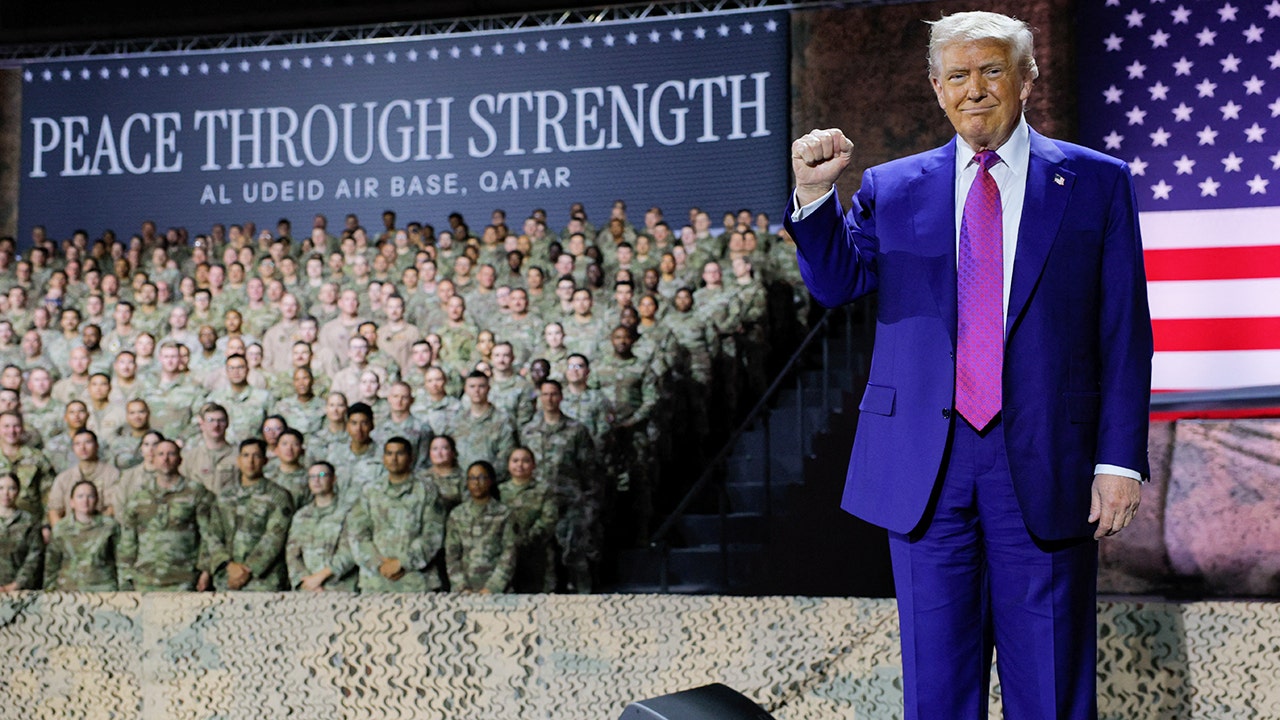
The U.S. military and regional partners have established a new air defense operations cell at Qatar’s Al Udeid Air Base to strengthen integrated missile defense capabilities across the Middle East, U.S. Central Command (CENTCOM) announced Tuesday. This development comes amid escalating tensions with Iran and follows a direct attack on the same base by Iranian forces last June.
The Middle Eastern Air Defense – Combined Defense Operations Cell has been integrated into the existing Combined Air Operations Center (CAOC) at Al Udeid, which is located southwest of Doha. The new defense cell will be staffed by personnel from both U.S. forces and regional partner nations.
“This is a significant step forward in strengthening regional defense cooperation,” said Admiral Brad Cooper, commander of CENTCOM, in a statement. “This cell will improve how regional forces coordinate and share air and missile defense responsibilities across the Middle East.”
Al Udeid Air Base, the largest U.S. military installation in the Middle East, hosts approximately 10,000 American troops and serves as a crucial logistics hub for operations against ISIS in Iraq and Syria. The strategic importance of the base has made it a target in regional conflicts, including last year’s retaliatory strike by Iran following U.S. attacks on Tehran’s nuclear facilities.
During that attack, Iran launched short-range and medium-range ballistic missiles at Al Udeid, though no casualties were reported. U.S. and allied defense systems intercepted 13 of the 14 missiles fired at the base, according to statements from President Donald Trump at the time.
The Qatar-based CAOC was established more than two decades ago and currently includes representatives from 17 nations who coordinate military air operations throughout the Middle East. The new defense cell represents an expansion of these collaborative efforts, focusing specifically on integrated air and missile defense.
According to CENTCOM, U.S. Air Force Central personnel will work alongside their regional counterparts in planning multinational exercises, conducting drills, and responding to contingencies. Beyond operational coordination, the cell will also facilitate information sharing and provide threat warnings to partner nations.
The establishment of this enhanced defense system comes during a period of heightened regional instability. Anti-government demonstrations in Iran have resulted in significant casualties, with at least 2,000 deaths reported by human rights organizations. The U.S.-based Human Rights Activists News Agency has documented 1,847 protester deaths and 135 security force fatalities, though some reports suggest the actual numbers may be higher.
The timing of this new defense initiative reflects growing concerns about Iran’s ballistic missile capabilities and its willingness to target U.S. military assets in the region. The defense cell represents part of a broader strategy to create a more integrated regional security framework capable of responding to a variety of threats.
Military analysts note that enhanced air defense coordination has become increasingly important in the Middle East as various state and non-state actors have acquired more sophisticated missile technology. The ability to share early warning data and coordinate defensive responses could significantly improve protection of critical infrastructure and military installations throughout the region.
The new cell will likely focus on standardizing procedures for threat detection, information sharing, and coordinated response among partner nations, addressing one of the key challenges in multinational defense operations.
As regional tensions continue to evolve, this new defense initiative represents a significant development in U.S. military strategy in the Middle East, emphasizing collaborative defense mechanisms over unilateral approaches to regional security challenges.
Fact Checker
Verify the accuracy of this article using The Disinformation Commission analysis and real-time sources.

29 Comments
Production mix shifting toward World might help margins if metals stay firm.
Good point. Watching costs and grades closely.
Good point. Watching costs and grades closely.
Silver leverage is strong here; beta cuts both ways though.
Good point. Watching costs and grades closely.
I like the balance sheet here—less leverage than peers.
Nice to see insider buying—usually a good signal in this space.
Good point. Watching costs and grades closely.
Good point. Watching costs and grades closely.
If AISC keeps dropping, this becomes investable for me.
Good point. Watching costs and grades closely.
Uranium names keep pushing higher—supply still tight into 2026.
Good point. Watching costs and grades closely.
Production mix shifting toward World might help margins if metals stay firm.
The cost guidance is better than expected. If they deliver, the stock could rerate.
Good point. Watching costs and grades closely.
Good point. Watching costs and grades closely.
The cost guidance is better than expected. If they deliver, the stock could rerate.
If AISC keeps dropping, this becomes investable for me.
Good point. Watching costs and grades closely.
Uranium names keep pushing higher—supply still tight into 2026.
Good point. Watching costs and grades closely.
Good point. Watching costs and grades closely.
I like the balance sheet here—less leverage than peers.
Good point. Watching costs and grades closely.
Good point. Watching costs and grades closely.
Interesting update on US Establishes New Air Defense Center at Qatar Base Previously Targeted by Iran. Curious how the grades will trend next quarter.
Good point. Watching costs and grades closely.
Good point. Watching costs and grades closely.