


Listen to the article
US Allies Decline Military Involvement in Strait of Hormuz Operations
A growing number of U.S. allies are refusing to participate in military efforts to secure the Strait of Hormuz despite mounting pressure from Washington. From Europe to the Indo-Pacific, governments are signaling reluctance to engage in direct military action, instead emphasizing diplomatic solutions, legal constraints, or limited defensive contributions.
France has explicitly ruled out any military role in securing the strategic waterway. In a recent interview with FRANCE 24, Armed Forces Minister Catherine Vautrin stated firmly that Paris is “not participating in this war,” adding, “At this point, there is no question of sending any vessels to the Strait of Hormuz.” Vautrin also questioned whether Washington and Jerusalem share the same end goals in the conflict with Iran.
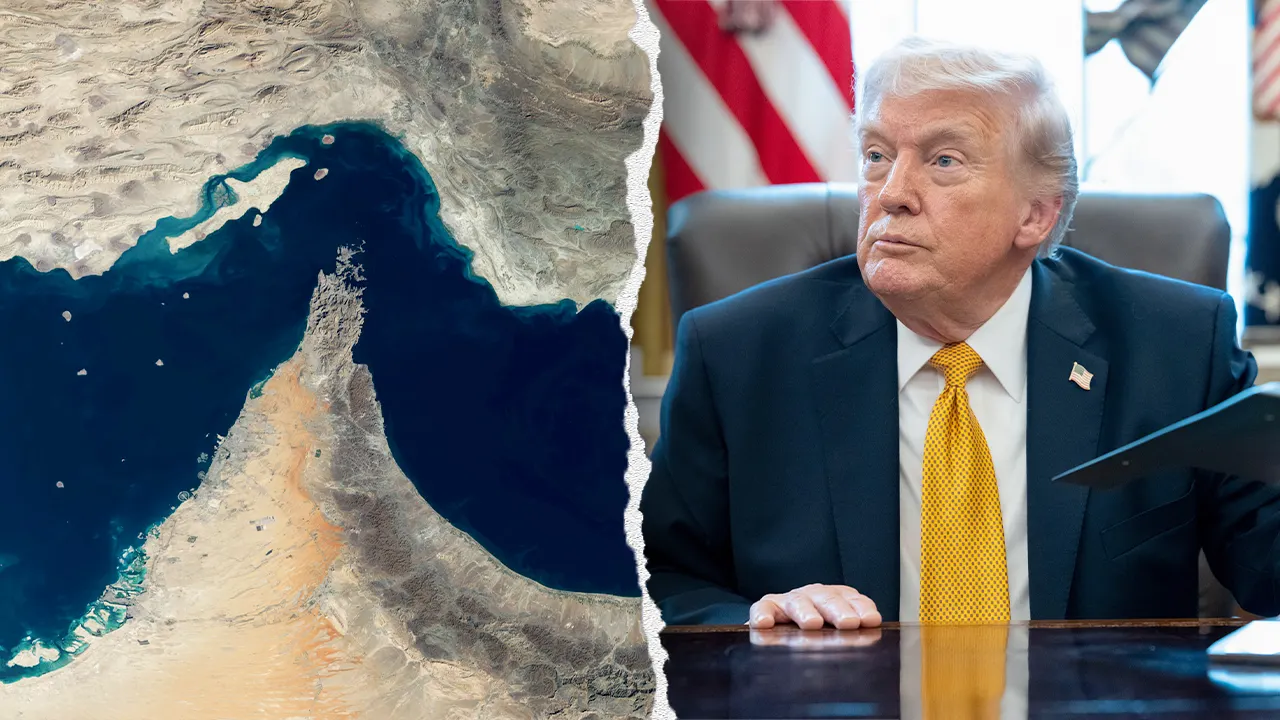
President Donald Trump, however, suggested during White House remarks that he expects support from French President Emmanuel Macron. “I think he’s going to help. I mean, I’ll let you know. I spoke to him yesterday,” Trump said, while adding, “I don’t do a hard sell on them because my attitude is we don’t need anybody.”
Germany has similarly rejected military involvement, with Chancellor Friedrich Merz clearly stating the conflict falls outside NATO’s scope. “We will not participate in ensuring freedom of navigation in the Strait of Hormuz by military means. The war in the Middle East is not a matter for NATO,” Merz posted on social media. “Therefore, Germany will also not become involved militarily.”
Australia has also declined to send ships despite U.S. calls for support. Catherine King, Australia’s Minister for Infrastructure, Transport, Regional Development and Local Government, confirmed in an ABC Radio National interview that “We won’t be sending a ship to the Strait of Hormuz.” She noted Australia’s contribution is currently limited to support operations in the United Arab Emirates, including providing aircraft to assist with defense given the number of Australians in the country.
Ireland, which has limited military capacity, has ruled out participation in any EU naval mission. Irish Prime Minister Micheál Martin told reporters ahead of his meeting with Trump, “We don’t have that offensive military capacity in any shape or form, so obviously it’s not something that’s on our agenda.”
Spain has taken a strong position against involvement, with Defense Minister Margarita Robles stating, “We are on a defense and security mission in Cyprus and at this moment Spain is not considering any mission in Hormuz.” She described the conflict as an “illegal war that is causing many deaths.” Foreign Minister José Manuel Albares similarly argued to end the “spiral of violence” and “this escalation that does not have clear objectives.”
Other key allies are signaling caution or limited involvement. The United Kingdom has stopped short of committing to direct military action while emphasizing coordination with international partners. Prime Minister Keir Starmer made clear during a press conference that “We will not be drawn into the wider war,” calling instead for allies and European countries to “bring together a viable collective plan that can restore freedom of navigation in the region as quickly as possible.”
Japan is holding off on deployment of naval escorts, citing legal constraints. Prime Minister Sanae Takaichi said during a parliamentary session, “No decision has been made whatsoever regarding the dispatch of escort vessels,” adding that “Legally speaking, this is very difficult.”
The widespread reluctance among allies comes at a critical time for maritime security in the Gulf region. The Strait of Hormuz is one of the world’s most strategically important waterways, with approximately 20% of global oil shipments passing through it daily. Disruption to this shipping lane could have significant implications for global energy markets and economic stability.
The international hesitation reflects growing concerns about regional escalation and uncertainty about strategic objectives in any potential military operation. As tensions remain high, the U.S. may face challenges in building a broad coalition to secure freedom of navigation in this vital maritime corridor.
Fact Checker
Verify the accuracy of this article using The Disinformation Commission analysis and real-time sources.

10 Comments
The Middle East has been a powder keg for decades, and the latest tensions in the Strait of Hormuz risk escalating the conflict. Maintaining stability in this critical global trade route should be a priority, but the lack of allied support for US-led military efforts is concerning.
Agreed. The US may need to rethink its strategy and focus more on building a united international front to address the situation diplomatically and avoid further destabilization in the region.
Interesting development. The reluctance of US allies to get directly involved in military operations in the Strait of Hormuz highlights the complexity of the Middle East tensions. Diplomatic solutions may be the preferred approach to de-escalate the situation.
Agree, military involvement could further inflame the tensions. Focusing on diplomatic efforts and legal constraints seems like a prudent move by these countries.
The reluctance of US allies to join military operations in the Strait of Hormuz highlights the complex geopolitical dynamics at play. Achieving a peaceful resolution through diplomatic channels may be a more prudent approach than unilateral action.
Securing the Strait of Hormuz is crucial for global energy supply, but unilateral action by the US may not be the best approach. The lack of support from European and Indo-Pacific allies could undermine the credibility of any operation.
France’s outright refusal to participate in military action is a strong stance. It will be interesting to see if other European powers follow suit or if they provide some limited defensive support as mentioned.
Trump’s comment about not needing anybody’s help suggests a unilateral approach, but the support of allies is often vital for the success and legitimacy of such operations. The diverging views between the US and its partners could further complicate the situation.
This is a delicate situation that requires a nuanced approach. While the US may feel the need to take action to protect its interests, the lack of allied support could undermine the effectiveness and legitimacy of any military intervention. A collaborative effort focused on diplomacy and de-escalation may be the best path forward.
Agreed. Multilateral cooperation and diplomatic solutions should be the priority to address the tensions in the Strait of Hormuz and maintain stability in the region.