


Listen to the article
UN Faces Financial Crisis as U.S. Withholds Billions in Dues
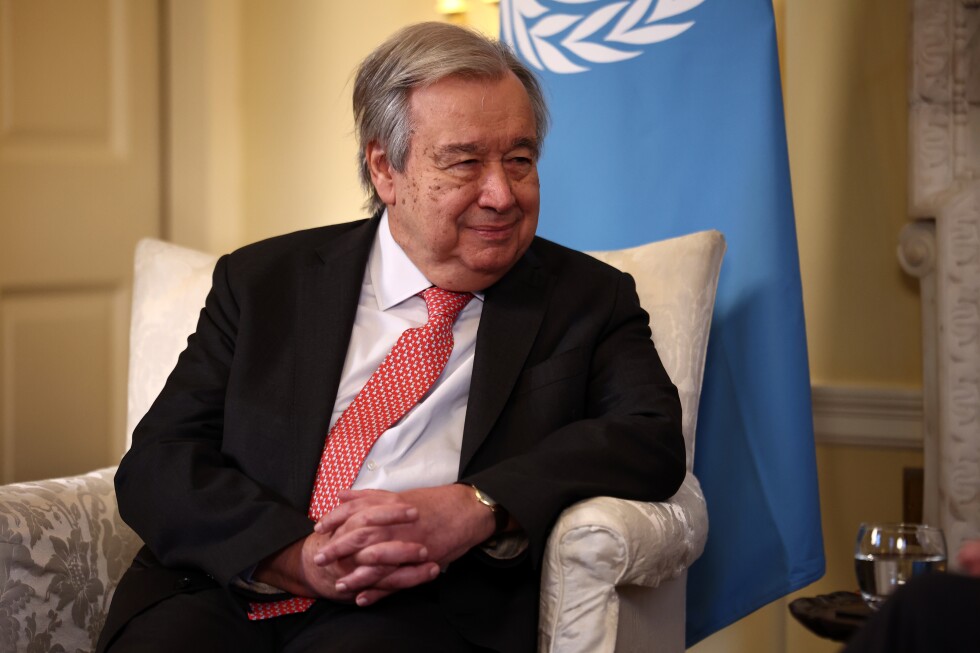
The United Nations is facing an unprecedented financial crisis that could lead to “imminent financial collapse” unless all member nations pay their outstanding dues, Secretary-General Antonio Guterres warned in a letter sent to all 193 member nations.
Guterres’ stark warning, obtained by The Associated Press, indicates the organization could run out of cash for its regular operating budget as soon as July, potentially crippling its global operations. The financial shortfall comes primarily from the United States’ failure to meet its financial obligations to the international body.
“Either all member states honor their obligations to pay in full and on time — or member states must fundamentally overhaul our financial rules to prevent an imminent financial collapse,” Guterres wrote.
According to UN officials speaking on condition of anonymity, the United States currently owes $2.196 billion to the UN’s regular budget, including $767 million for this year and additional funds from prior years. The U.S. also owes $1.8 billion for the UN’s peacekeeping operations around the world, a figure that continues to grow.
The financial strain reflects broader tensions between the U.S. and the international organization under President Donald Trump’s administration, which has repeatedly criticized the UN for not living up to its potential. During Trump’s tenure, the U.S. has withdrawn from several UN bodies, including the World Health Organization and UNESCO, while cutting funding to dozens of other UN programs.
Venezuela ranks a distant second in unpaid dues, owing approximately $38 million. The South American nation, already facing severe economic challenges before the recent U.S. military operation that removed President Nicolás Maduro from power, has lost its voting rights in the General Assembly due to being two years behind in payments.
The severity of the financial crisis is underscored by record-breaking arrears. Guterres noted that the UN ended 2025 with $1.568 billion in outstanding dues, more than double the amount at the end of 2024. UN officials revealed that the Trump administration did not contribute any dues during the previous year.
With liquidity reserves nearly exhausted, the UN may be unable to fulfill its $3.45 billion regular budget for 2026, which was unanimously approved by the General Assembly in December. The organization now faces difficult decisions about which operations to prioritize and which to scale back if the financial situation does not improve.
Guterres highlighted another critical issue complicating the UN’s finances: current rules require the organization to return unspent budget funds to member states, even if those same countries have not paid their required contributions. The Secretary-General urged immediate reform of this problematic regulation.
“I cannot overstate the urgency of the situation we now face,” he wrote. “We cannot execute budgets with uncollected funds, nor return funds we never received.”
The financial crisis threatens to undermine the UN’s ability to respond to global challenges, from peacekeeping in conflict zones to coordinating international responses to humanitarian crises. It also raises questions about the long-term viability of the organization’s current funding model, which relies heavily on consistent contributions from its largest donor nations.
As of publication, the U.S. mission to the UN had not responded to requests for comment on the Secretary-General’s warning or when the United States plans to address its outstanding financial obligations to the international body.
Fact Checker
Verify the accuracy of this article using The Disinformation Commission analysis and real-time sources.

13 Comments
The UN’s financial woes are concerning, but not entirely surprising given the geopolitical tensions and nationalist tendencies that have been on the rise in recent years. Strengthening the UN’s financial foundation should be a priority for all member states, as the consequences of its collapse would be far-reaching and detrimental to global stability.
I agree. The UN’s role as a neutral arbiter and facilitator of international cooperation is crucial, especially in times of heightened geopolitical tensions. Ensuring its financial stability should be a shared responsibility among member states, regardless of their individual political agendas.
The potential collapse of the UN due to financial constraints is a troubling prospect. This organization plays a vital role in maintaining global peace, security, and cooperation. Its demise would be a significant setback for international diplomacy and multilateral efforts to address pressing global issues.
Absolutely. The UN is an indispensable institution, and its financial stability is crucial for its continued effectiveness. Member states must recognize the importance of the UN and fulfill their financial obligations to ensure its long-term viability.
This is a concerning situation for the UN. The organization plays a critical role globally, and its financial struggles could severely impact its operations and ability to fulfill its mandate. I hope member states can come together to address this crisis before it spirals further.
Agreed. The UN’s financial stability is essential for it to effectively coordinate international cooperation and address global challenges. Member states need to step up and ensure adequate funding to avoid disruptions.
I’m curious to understand the underlying reasons behind the US’s failure to meet its financial obligations to the UN. Is this a political decision, or are there other factors at play? Regardless, the UN’s ability to function should not be jeopardized by the financial delinquency of any single member state.
That’s a fair question. The US’s stance on UN funding is likely influenced by a complex mix of political, budgetary, and ideological factors. Regardless of the reasons, the UN’s operations should not be held hostage to the financial whims of any member state.
The UN’s financial troubles highlight the need for a more reliable and equitable funding model. Relying on voluntary contributions from member states has proven to be a precarious approach. Perhaps it’s time to explore alternative financing mechanisms to provide the UN with more stable resources.
That’s a good point. A more robust and predictable funding system could help the UN plan and execute its operations more effectively. Exploring new funding options is certainly worth consideration.
This situation underscores the need for a fundamental review of the UN’s funding model and the commitment of its member states. While the US’s delinquency is a significant factor, the UN’s reliance on voluntary contributions is inherently problematic and leaves the organization vulnerable to financial shocks. A more robust and predictable funding system should be a top priority.
This news highlights the need for a more equitable and sustainable funding model for the UN. Relying on voluntary contributions from member states has proven to be unreliable and susceptible to political posturing. Perhaps it’s time to explore alternative revenue streams, such as a global tax or a more structured system of mandatory contributions.
The potential collapse of the UN due to financial constraints is deeply concerning. This organization plays a vital role in maintaining global peace, security, and cooperation, and its demise would be a significant setback for international diplomacy and multilateral efforts to address pressing global issues. Member states must recognize the importance of the UN and fulfill their financial obligations to ensure its long-term viability.