


Listen to the article
The United Nations has raised alarm over the worsening conflict in eastern Democratic Republic of Congo, where fighting continues to escalate despite diplomatic efforts to quell tensions in the mineral-rich region.
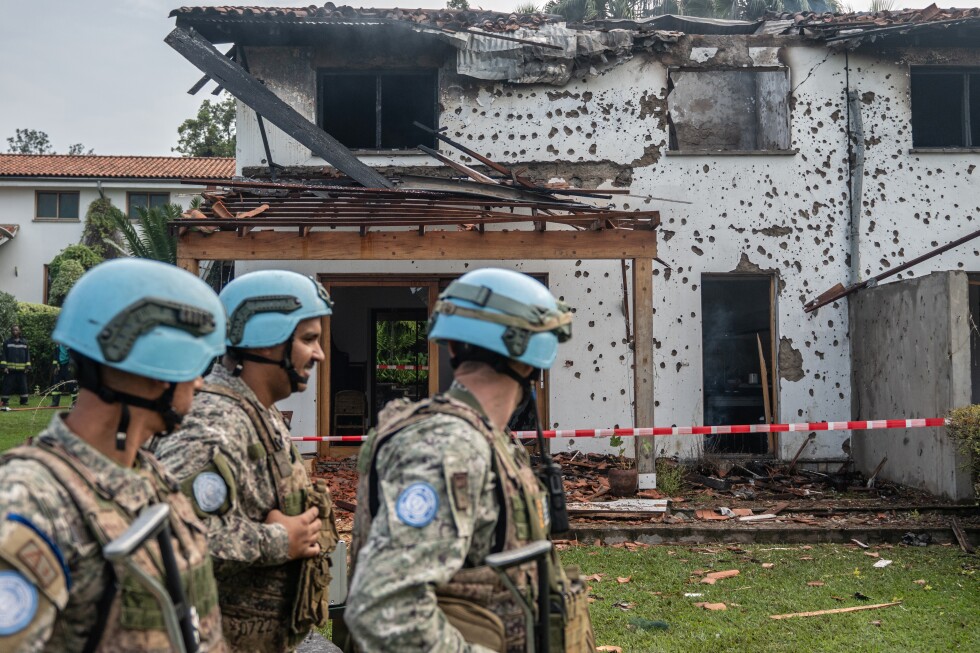
Speaking before the UN Security Council on Thursday, Vivian van de Perre, the acting top UN envoy for Congo, warned that the conflict is not only intensifying but expanding geographically, with combatants increasingly deploying heavy weapons and offensive drones in populated areas.
“The situation in South Kivu remains tense and the renewed hostilities have expanded and shifted the front lines, including toward Burundi’s border, increasing the risk of a regional conflagration,” van de Perre cautioned.
The conflict centers primarily on the M23 rebel group, which has made significant territorial gains since early last year, capturing the strategic city of Goma and other key areas. Rwanda stands accused of backing the M23, though it has repeatedly denied these allegations.
Despite a brief respite in January when M23 forces withdrew from the town of Uvira following international pressure, clashes between the rebels and Congolese army forces have resumed with greater intensity across North and South Kivu provinces.
Van de Perre, who heads the 9,000-strong UN peacekeeping mission MONUSCO, highlighted two particularly concerning developments. First, the conflict is spreading beyond North and South Kivu into neighboring Tshopo province. Second, the use of heavy weapons and drones in urban environments poses significant risks to civilians and infrastructure.
“Recent incidents affecting sites such as Bangoka Airport in Kisangani and in Goma town” demonstrate the growing danger to civilian areas, she noted.
The situation in Ituri province was described as “alarming,” with one rebel group linked to numerous civilian casualties while another has been targeting mining sites. Meanwhile, M23 continues to establish parallel administrative structures in territories under its control, undermining state authority and complicating humanitarian aid delivery.
Eastern Congo has endured decades of violence as government forces battle more than 100 armed groups. Many of these conflicts revolve around control of the region’s vast mineral wealth, which includes gold, coltan, tin, and diamonds essential for global technology and jewelry industries. The DRC possesses some of the world’s largest reserves of these resources, making the eastern provinces particularly contested.
The conflict has broader regional implications. Last week, officials from Congo, Rwanda, and the United States met in Washington to coordinate steps toward de-escalating tensions. These diplomatic efforts come as neighboring countries grow increasingly concerned about potential spillover effects.
After briefing the Security Council, van de Perre emphasized to reporters the “extremely volatile” nature of the situation and stressed the importance of implementing all previously signed agreements. She outlined a roadmap beginning with an immediate ceasefire, followed by reopening airports and restoring freedom of movement for UN peacekeepers.
Massad Boulos, who chaired the Security Council meeting as a senior adviser to U.S. President Donald Trump on African and Arab affairs, described MONUSCO as “indispensable to the success of the peace process” and stated that resolving the conflict is “a matter of highest priority” for the Trump administration.
The humanitarian toll continues to mount. According to UN figures not mentioned in the briefing, the conflict has displaced over 6 million people internally, creating one of the world’s largest displacement crises. Access to affected populations remains severely constrained by insecurity and damaged infrastructure.
As international diplomatic efforts continue, observers remain concerned that without significant progress toward demilitarization and addressing the root causes of the conflict, eastern Congo may face an even greater humanitarian catastrophe in the coming months.
Fact Checker
Verify the accuracy of this article using The Disinformation Commission analysis and real-time sources.

17 Comments
If AISC keeps dropping, this becomes investable for me.
Good point. Watching costs and grades closely.
The cost guidance is better than expected. If they deliver, the stock could rerate.
Good point. Watching costs and grades closely.
Good point. Watching costs and grades closely.
The cost guidance is better than expected. If they deliver, the stock could rerate.
Nice to see insider buying—usually a good signal in this space.
Exploration results look promising, but permitting will be the key risk.
Good point. Watching costs and grades closely.
Good point. Watching costs and grades closely.
Production mix shifting toward World might help margins if metals stay firm.
Interesting update on UN warns that conflict in eastern Congo is escalating. Curious how the grades will trend next quarter.
I like the balance sheet here—less leverage than peers.
Production mix shifting toward World might help margins if metals stay firm.
Good point. Watching costs and grades closely.
Good point. Watching costs and grades closely.
Production mix shifting toward World might help margins if metals stay firm.