


Listen to the article
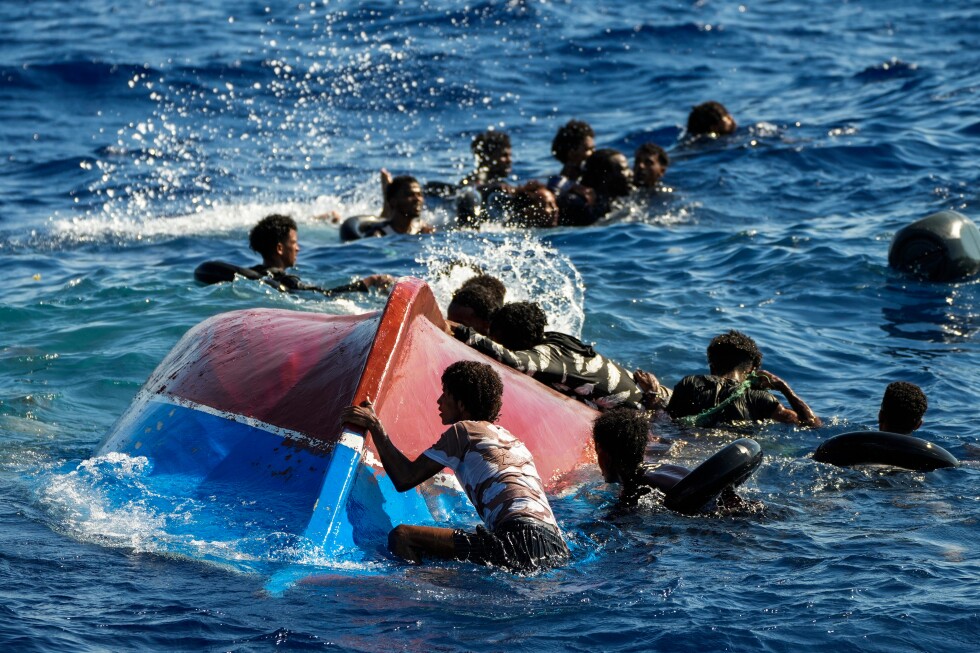
More than 80 migrants have gone missing after their boat capsized in the central Mediterranean Sea, the UN migration agency reported Tuesday. The vessel, carrying approximately 120 people, departed from Tajoura in northwestern Libya on Sunday before encountering harsh weather conditions that caused it to take on water and eventually overturn.
A merchant vessel and tugboat managed to rescue 32 survivors, who were subsequently transferred to the Italian island of Lampedusa by the Italian coast guard. Authorities confirmed that the bodies of at least two victims have been recovered, while search efforts continue for the remaining passengers.
The disaster marks another deadly incident in the perilous Mediterranean crossing that thousands of migrants attempt each year. Libya, which has been mired in political instability since the 2011 uprising that toppled longtime dictator Moammar Gadhafi, has become a primary transit point for migrants fleeing war, poverty, and persecution in Africa and the Middle East.
This latest tragedy comes just one week after another deadly incident in the same region, where the Italian coast guard discovered 19 bodies and rescued 58 people from a migrant-filled dinghy approximately 80 nautical miles from Lampedusa. That rescue operation took place in Libya’s search and rescue zone during challenging weather conditions.
According to the International Organization for Migration (IOM), 2026 has seen the deadliest start to a year for Mediterranean crossings since record-keeping began in 2014. At least 990 deaths have been recorded in the Mediterranean so far this year, with 765 of those occurring in the Central Mediterranean route alone—representing a staggering 150% increase compared to the same period last year.
Lampedusa, Italy’s southernmost territory, has become the primary European entry point for migrants making the dangerous sea journey from North Africa. The small island, closer to Tunisia than to mainland Italy, has been overwhelmed by arrivals in recent years, creating humanitarian challenges for local authorities and relief organizations.
IOM Director General Amy Pope recently told The Associated Press that the agency is witnessing changes in migration patterns, with increasing numbers of migrants from Bangladesh, Pakistan, Afghanistan, and Sudan attempting the Mediterranean crossing.
“The issue of people crossing the Mediterranean is really dependent on what else is happening in the world and the factors at the moment,” Pope explained. “War, instability, lack of access to food, sexual violence, all of these things will drive people to move.”
The dangerous Mediterranean route has claimed thousands of lives in recent years, with most deaths occurring when overcrowded and unseaworthy vessels depart from the coasts of Libya and Tunisia. Human smugglers continue to exploit desperate migrants, often charging thousands of dollars for passage on unsafe boats with limited provisions and safety equipment.
The European Union has implemented various policies aimed at reducing irregular migration across the Mediterranean, including partnerships with countries of origin and transit, enhanced border surveillance, and naval operations. However, these measures have been criticized by human rights organizations for potentially pushing migrants toward even more dangerous routes.
As search operations continue for the missing migrants from Sunday’s capsizing, the incident serves as a stark reminder of the ongoing humanitarian crisis in the Mediterranean and the complex factors driving migration from some of the world’s most troubled regions.
Fact Checker
Verify the accuracy of this article using The Disinformation Commission analysis and real-time sources.

10 Comments
This is yet another tragic chapter in the ongoing migrant crisis in the Mediterranean. The lack of safe and legal pathways forces vulnerable people to resort to these perilous boat crossings. Addressing the deeper political and economic drivers behind mass migration should be a global priority.
Absolutely. The international community must find sustainable solutions that uphold human rights and dignity, rather than leaving migrants to face such harrowing fates.
This is yet another devastating incident in the migrant crisis sweeping the Mediterranean. The political instability in Libya and lack of safe, legal migration options are compounding factors that continue to put vulnerable people at grave risk. A comprehensive, humane solution is desperately needed.
It’s horrific to see these recurring incidents of migrant boat capsizings and loss of life. While the political instability in Libya is a major factor, the lack of coordinated efforts to establish safe and legal migration routes is also deeply concerning. This crisis demands urgent, compassionate action.
You’re right, the human toll is unacceptable. Addressing the root causes and providing secure, regulated pathways must be a top priority for global leaders.
Such a tragic event. The risks migrants face attempting these dangerous crossings are heartbreaking. Libya’s instability and lack of migrant protection only compounds the problem. This requires a coordinated international response to address the root causes and provide safer alternatives.
Agreed, the loss of life is devastating. More needs to be done to support migrants and provide secure corridors for those fleeing war, persecution, and poverty.
The loss of over 80 lives in this capsizing is heartbreaking. While Libya’s instability is a major factor, the lack of coordinated global efforts to establish secure migration routes is also deeply concerning. This crisis requires urgent, compassionate action to prevent further tragedies.
Absolutely. The human cost of this ongoing crisis is unacceptable. Addressing root causes and providing regulated pathways must be a top priority for world leaders.
This latest tragedy in the Mediterranean is a sobering reminder of the desperate situations forcing migrants to undertake these perilous journeys. The international community must do more to support displaced populations and create safer alternatives to these deadly boat crossings.