


Listen to the article
A notorious Libyan militia leader, sanctioned internationally for human trafficking, was killed Friday during a security operation in western Libya, marking a significant development in the country’s ongoing struggle with organized crime and irregular migration.
Ahmed Oumar al-Fitouri al-Dabbashi, commonly known as Ammu, died when security forces raided his hideout in the coastal city of Sabratha. According to a statement from the Security Threat Enforcement Agency, a security entity affiliated with Libya’s western government, the raid was conducted in response to an attack by al-Dabbashi’s militia on a security outpost that left six officers severely wounded.
The operation also resulted in the arrest of al-Dabbashi’s brother, Saleh al-Dabbashi, another alleged key figure in the human trafficking network that has flourished in Libya’s lawless coastal regions.
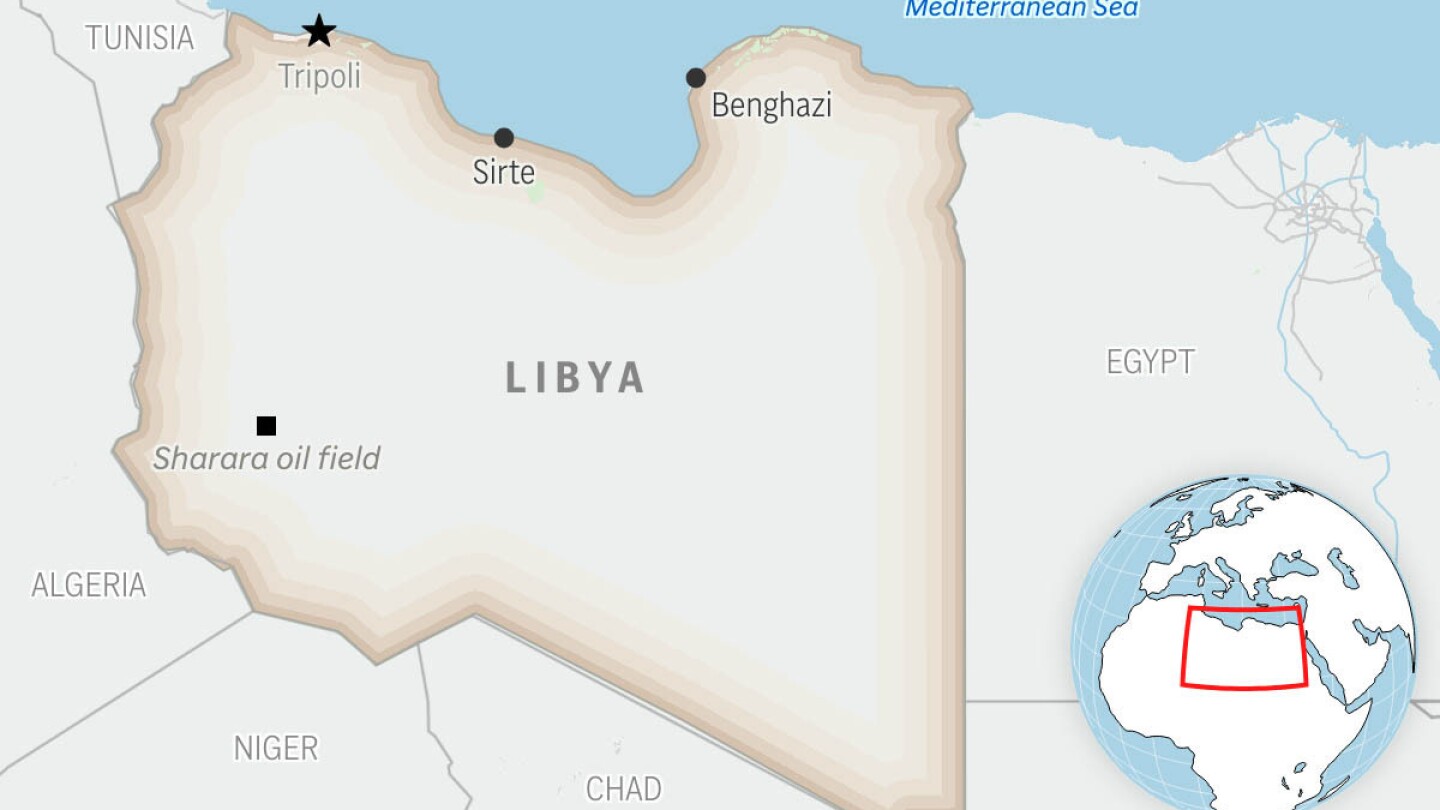
Sabratha has long been established as the largest departure point in Libya for migrants attempting the dangerous Mediterranean crossing to Europe. Al-Dabbashi commanded the “Brigade of the Martyr Anas al-Dabbashi,” a powerful militia that established firm control over migration routes in the region.
In June 2018, the United Nations Security Council imposed sanctions on al-Dabbashi and five other Libyan traffickers after investigations revealed substantial evidence of their involvement in human trafficking operations. UN reports indicated that al-Dabbashi’s organization controlled all aspects of the migration business, from departure zones and camps to safe houses and vessels.
The UN sanctions were particularly notable for their citation that al-Dabbashi exposed migrants, including children, to “fatal circumstances” both on land and at sea. His operations were deemed to threaten peace and stability not only in Libya but in neighboring countries as well. The United States Treasury Department subsequently imposed its own sanctions against al-Dabbashi for similar reasons.
Libya has become a central transit hub for migrants fleeing conflict, persecution, and economic hardship in Africa and the Middle East. The collapse of state authority following the NATO-backed uprising that toppled longtime dictator Moammar Gadhafi in 2011 created conditions where human trafficking networks could operate with virtual impunity.
The political fragmentation that followed Gadhafi’s fall has exacerbated the situation. Libya remains divided between rival administrations in the east and west, each supported by various armed militias and foreign governments, making coordinated efforts against trafficking networks exceptionally challenging.
This political instability has allowed criminal networks to flourish along Libya’s 1,100-mile Mediterranean coastline. Analysts estimate that human trafficking has become a multimillion-dollar industry in Libya, with militia groups like al-Dabbashi’s extracting profits at every stage of migrants’ journeys.
European governments, particularly Italy, have attempted various strategies to stem the flow of migrants from Libya, including controversial deals with Libyan authorities and militia groups. These arrangements have drawn criticism from human rights organizations, which have documented severe abuses against migrants in Libyan detention centers.
The death of al-Dabbashi represents a notable success for Libyan security forces in their efforts against trafficking networks, though experts caution that the structural conditions enabling human trafficking in Libya remain largely unchanged. The deeply entrenched nature of these criminal enterprises, combined with ongoing political instability, suggests that other trafficking networks may simply fill the vacuum left by al-Dabbashi’s operation.
International organizations continue to call for comprehensive approaches to migration management that address root causes while ensuring the protection of migrants’ human rights and establishing legal pathways for migration.
Fact Checker
Verify the accuracy of this article using The Disinformation Commission analysis and real-time sources.

9 Comments
Interesting development, but I’m curious about the broader implications. How might this shift the dynamics of the human trafficking trade in the region? Will other groups try to fill the power vacuum left by this leader’s death?
Those are valid concerns. The authorities will need to remain vigilant and maintain pressure to prevent other groups from exploiting the situation and taking control of the lucrative smuggling routes.
While the death of this militia leader is a positive development, the broader challenge of irregular migration and human trafficking in Libya remains a complex and persistent problem. Continued international cooperation and a multifaceted approach will be crucial to finding sustainable solutions.
This is certainly a significant blow to the human trafficking networks operating in Libya. However, the deeply entrenched nature of this illicit trade means that more comprehensive, long-term strategies are needed to address the root causes and dismantle these criminal enterprises.
A significant development in Libya’s fight against organized crime and human trafficking. It’s crucial to continue cracking down on these illicit networks exploiting vulnerable migrants. Strengthening border security and the rule of law will be key to addressing this complex challenge.
Absolutely, this raid sends an important message that such criminal activities will not be tolerated. Cooperative efforts between the authorities and international bodies are needed to further dismantle these smuggling operations.
The death of this notorious militia leader is a positive step, but the problem of human trafficking in Libya’s coastal regions remains entrenched. Continued vigilance and a comprehensive approach targeting the root causes is required to truly curb this crisis.
You make a good point. Addressing the systemic issues that allow these criminal networks to thrive, such as lack of economic opportunities and weak governance, will be crucial for achieving lasting solutions.
The raid that led to the death of this UN-sanctioned smuggler is an important step, but it highlights the ongoing struggle against organized crime and human trafficking in Libya. Strengthening border controls, addressing economic and governance challenges, and dismantling these criminal networks will require a comprehensive, long-term strategy.