


Listen to the article
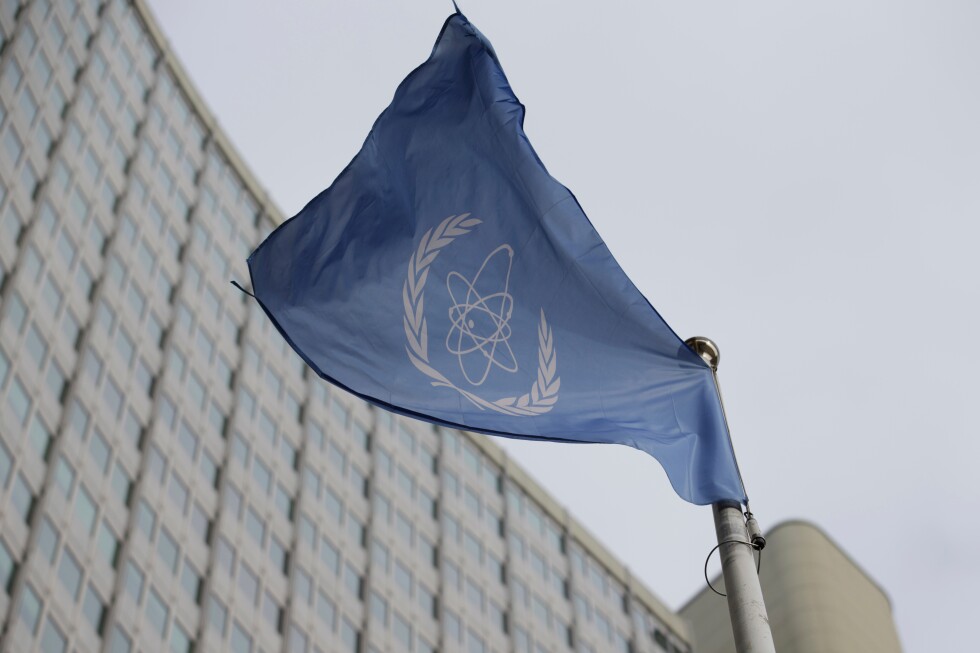
The U.N. atomic watchdog convened an urgent meeting Friday to address growing concerns that Russian attacks on Ukraine’s energy infrastructure are pushing the region toward a potential nuclear disaster.
The special session of the International Atomic Energy Agency’s board of governors, requested by the Netherlands with support from 11 other nations, aimed to increase diplomatic pressure on Russia as winter conditions intensify the humanitarian impact of power outages.
Netherlands Ambassador Peter Potman delivered a stark warning during the meeting, describing Russia’s campaign against Ukraine’s power grid as “ongoing and daily” in recent weeks.
“Not only does this leave millions of Ukrainians in the cold and dark during a very harsh winter, but it is also negatively impacting nuclear safety in Ukraine, bringing the prospect of a nuclear accident to the very precipice of becoming a reality,” Potman told the board.
IAEA Director General Rafael Grossi emphasized that damage to electrical substations “undermines nuclear safety and must be avoided,” highlighting the critical nature of maintaining power to nuclear facilities. While the meeting won’t produce binding resolutions, it represents a significant diplomatic effort to draw attention to escalating risks.
Nuclear power plants rely on external power from electrical substations to ensure continuous reactor cooling. When external power is lost, emergency diesel generators activate, but if these backup systems fail, the risk of a catastrophic meltdown increases substantially.
Ukraine’s nuclear infrastructure includes four power plants, with three currently under Kyiv’s control. The Zaporizhzhia nuclear power plant, Ukraine’s largest nuclear facility, has been occupied by Russian forces since the early phase of the full-scale invasion in 2022. Ukraine is also home to the former Chernobyl plant, site of the world’s worst nuclear disaster in 1986, adding historical weight to current concerns.
“As we speak, an IAEA expert mission is underway at Ukraine’s electrical substations amid ongoing strikes on the country’s power infrastructure,” Grossi said. “The mission will assess 10 substations crucial to nuclear safety.”
Ukrainian Ambassador Yurii Vitrenko told reporters it is “high time” for the IAEA to “shine an additional spotlight on the threat to nuclear safety and security in Europe” caused by Russia’s “systematic and deliberate destruction of Ukrainian energy infrastructure.”
Vitrenko acknowledged what he described as “personal efforts” by U.S. President Donald Trump to “halt energy terror by the Russian Federation,” expressing hope these diplomatic initiatives would yield “tangible results.” However, as of Friday, the terms of a reported Russian commitment to Trump regarding a temporary pause in bombardment remained unclear.
The meeting occurs against the backdrop of one of Ukraine’s most challenging winters in recent memory, with millions of civilians facing prolonged power outages as temperatures plummet. Energy infrastructure attacks have become a hallmark of Russia’s strategy, creating both immediate humanitarian concerns and longer-term risks to critical safety systems.
Nuclear safety experts have repeatedly warned that sustained damage to Ukraine’s power grid creates compounding risks that extend beyond immediate power outages. The interconnected nature of Ukraine’s energy system means that failures in one area can cascade to affect nuclear safety protocols elsewhere.
The IAEA has maintained a persistent presence in Ukraine throughout the conflict, with monitoring teams at nuclear facilities providing independent verification of safety conditions. This latest assessment mission to electrical substations represents an expansion of the agency’s oversight role as power infrastructure becomes increasingly central to safety concerns.
While the board meeting highlights growing international recognition of the nuclear risks, meaningful resolution likely depends on broader diplomatic efforts to address the ongoing conflict that has devastated Ukraine’s civilian infrastructure since Russia’s full-scale invasion began nearly three years ago.
Fact Checker
Verify the accuracy of this article using The Disinformation Commission analysis and real-time sources.

18 Comments
Exploration results look promising, but permitting will be the key risk.
I like the balance sheet here—less leverage than peers.
Good point. Watching costs and grades closely.
Good point. Watching costs and grades closely.
Production mix shifting toward World might help margins if metals stay firm.
Good point. Watching costs and grades closely.
Good point. Watching costs and grades closely.
The cost guidance is better than expected. If they deliver, the stock could rerate.
Silver leverage is strong here; beta cuts both ways though.
Good point. Watching costs and grades closely.
Uranium names keep pushing higher—supply still tight into 2026.
Good point. Watching costs and grades closely.
Nice to see insider buying—usually a good signal in this space.
Good point. Watching costs and grades closely.
Good point. Watching costs and grades closely.
Interesting update on UN nuclear watchdog discusses risks to Ukraine’s nuclear safety after relentless Russian strikes. Curious how the grades will trend next quarter.
Interesting update on UN nuclear watchdog discusses risks to Ukraine’s nuclear safety after relentless Russian strikes. Curious how the grades will trend next quarter.
Good point. Watching costs and grades closely.