


Listen to the article
United Nations Faces Cash Crisis Amid Record Unpaid Dues and U.S. Funding Cuts
The United Nations could face a severe cash crisis by July, according to a stark warning issued by Secretary-General António Guterres in a January 28 letter to ambassadors. Citing record-high unpaid dues and rigid budget rules, Guterres warned that the organization finds itself trapped in what he described as a “Kafkaesque cycle” of financial constraints.
Outstanding dues have reached an unprecedented $1.568 billion at the end of 2025, with collections covering only 76.7% of assessed contributions. This financial shortfall has left the global body dangerously exposed as it attempts to implement its mandate for the coming year.
“Unless collections drastically improve,” Guterres cautioned, the organization will be unable to fully implement its 2026 budget and could face a liquidity crisis by mid-year that would severely impact operations across its many programs and agencies.
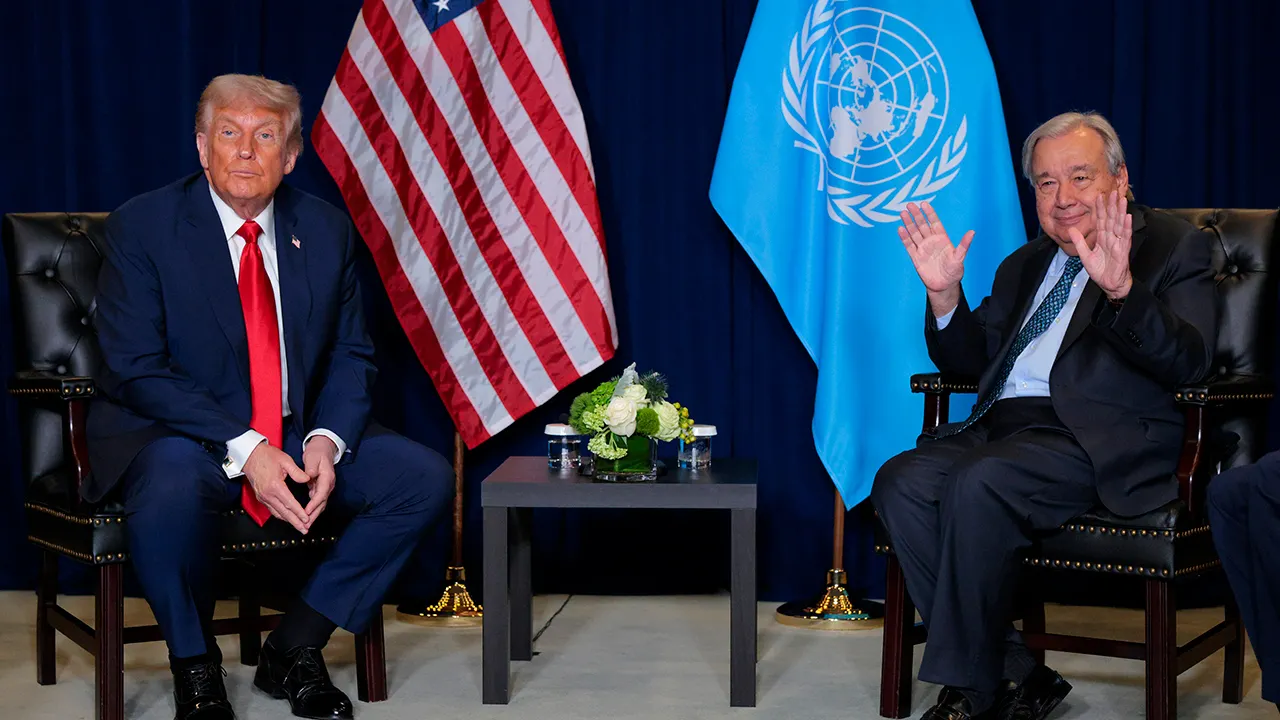
The warning comes as the United States, the UN’s largest financial contributor, has significantly reduced both voluntary funding to multiple UN programs and withheld some required payments. The Trump administration has been systematically cutting ties with international bodies, formally withdrawing from the World Health Organization in January 2026 and beginning exit procedures from dozens of other international organizations, including several UN entities.
The administration has justified these moves by arguing these organizations fail to advance American interests and priorities. This broader foreign policy realignment has created ripple effects throughout the international system, with UN bodies including the World Food Programme and refugee agencies now preparing for layoffs and program reductions as overall contributions have fallen to their lowest level in a decade.
A senior diplomatic source, speaking to Fox News Digital on condition of anonymity, placed significant blame on Guterres himself for the deepening crisis. According to the source, warning signs had been visible long before the current shortfall materialized, yet meaningful action was repeatedly delayed despite major contributors pressing for efficiency and reform for years.
“When reforms were eventually introduced,” the source stated, “they were applied broadly rather than through targeted cuts in areas where real savings were possible.” This approach reportedly harmed even UN bodies considered central to the organization’s mission. The source delivered a damning assessment of Guterres’ tenure, claiming, “He is going to go down as the worst secretary-general in the history of the UN.”
Hugh Dugan, former National Security Council special assistant to the president and senior director for international organization affairs, suggested the current crisis reflects long-standing structural weaknesses rather than a sudden collapse. “We’ve heard this before,” Dugan told Fox News Digital, referencing repeated warnings about cash shortfalls that have emerged from UN leadership over the years.
According to Dugan, the organization has struggled for decades with inconsistent revenue streams and outdated financial practices. He argued that alarmist messaging is unlikely to restore donor confidence without visible internal reforms that address core inefficiencies.
With approximately 11 months remaining in his term, Guterres appears primarily focused on ensuring the institution remains operational through the end of his tenure, according to Dugan. “The doors will remain open, maybe just, but that’s his legacy,” he observed.
When asked about President Trump’s newly announced peace board, Dugan clarified it should not be viewed as a direct competitor to the United Nations or as a replacement for its charter-based system. “I don’t see it as a replacement of the principles of the UN,” he said, describing the initiative as operational rather than ideological.
Dugan compared it to past convening efforts such as the Clinton Global Initiative, emphasizing its focus on dealmaking and coordination rather than supplanting the international order. Despite mounting criticism of the UN’s performance and finances, Dugan noted the organization continues to hold one enduring advantage: its convening power.
“When the UN calls a meeting today, it’s routine to have more than 100 heads of state in the room,” he said. “The power to convene is no small accomplishment.”
As the financial situation deteriorates, UN agencies are preparing for significant operational impacts, with humanitarian and development programs likely to face the most immediate consequences if the funding crisis continues unresolved.
Fact Checker
Verify the accuracy of this article using The Disinformation Commission analysis and real-time sources.

10 Comments
This is a concerning situation for the UN. With record unpaid dues and funding cuts from the US, the organization is facing a serious cash crunch. It will be challenging to maintain operations and implement critical programs if this crisis is not resolved soon.
I agree, the UN needs stable, predictable funding to fulfill its global mandate effectively. Hopefully they can find a way to address the shortfall and avoid disrupting vital services.
The UN’s reliance on member state contributions is a structural weakness. Perhaps exploring new revenue streams or reforms to the funding model could provide more financial resilience in the long run.
That’s a fair point. The UN may need to look at innovative ways to diversify its funding sources and become less dependent on unpredictable government contributions.
The UN’s financial troubles are symptomatic of a broader geopolitical shift, with nations becoming more unilateral and less willing to support multilateral institutions. This trend is worrying and could make it harder for the UN to fulfill its mandate.
You’re right, the UN’s financial woes reflect a larger erosion of global cooperation. This is a concerning development that could undermine the international order and our ability to address shared challenges.
While the UN’s financial situation is dire, it’s important to remember that the organization plays a vital role in maintaining peace, providing humanitarian aid, and promoting sustainable development. Weakening the UN could have far-reaching consequences.
Absolutely. The UN may have its flaws, but it remains an indispensable institution for global cooperation and problem-solving. Ensuring its financial stability should be a priority for the international community.
It’s concerning to see the Trump administration’s antagonistic approach towards the UN. Withdrawing funding and applying pressure could undermine the organization’s ability to address global challenges effectively.
I share your concerns. The UN plays a critical role in international cooperation, and weakening it could have far-reaching consequences. Hopefully, the situation can be resolved through diplomacy and compromise.