


Listen to the article
A Ukrainian drone strike set ablaze one of Russia’s key Black Sea ports on Sunday, causing significant damage to critical infrastructure just days before negotiators from both nations meet for peace talks aimed at ending the nearly four-year conflict.
The attack on the port of Taman in Russia’s Krasnodar region damaged an oil storage tank, a warehouse, and terminal facilities, according to regional Governor Veniamin Kondratyev. Two people were wounded in the assault, which appears to be part of Ukraine’s ongoing strategy to target Russian energy infrastructure.
In a near-simultaneous strike, Russian drones hit Ukraine’s Odesa region, with falling debris damaging civilian and transport infrastructure. Local officials reported disruptions to both power and water supplies, continuing Moscow’s campaign to degrade Ukraine’s essential utilities.
These reciprocal attacks highlight the escalating economic warfare that has become a hallmark of the conflict. Ukraine’s long-range drone operations against Russian energy facilities aim to cut off Moscow’s crucial oil export revenue—a vital funding source for Russia’s military operations. Meanwhile, Russia’s systematic targeting of Ukrainian power infrastructure represents what Kyiv officials describe as an effort to “weaponize winter” by denying civilians access to heat, electricity, and water during the coldest months.
The timing of these strikes is particularly significant, coming just before U.S.-brokered negotiations between Russian and Ukrainian representatives scheduled for Tuesday and Wednesday in Geneva. These talks will take place as the war approaches its fourth anniversary on February 24, with previous diplomatic efforts yielding little progress.
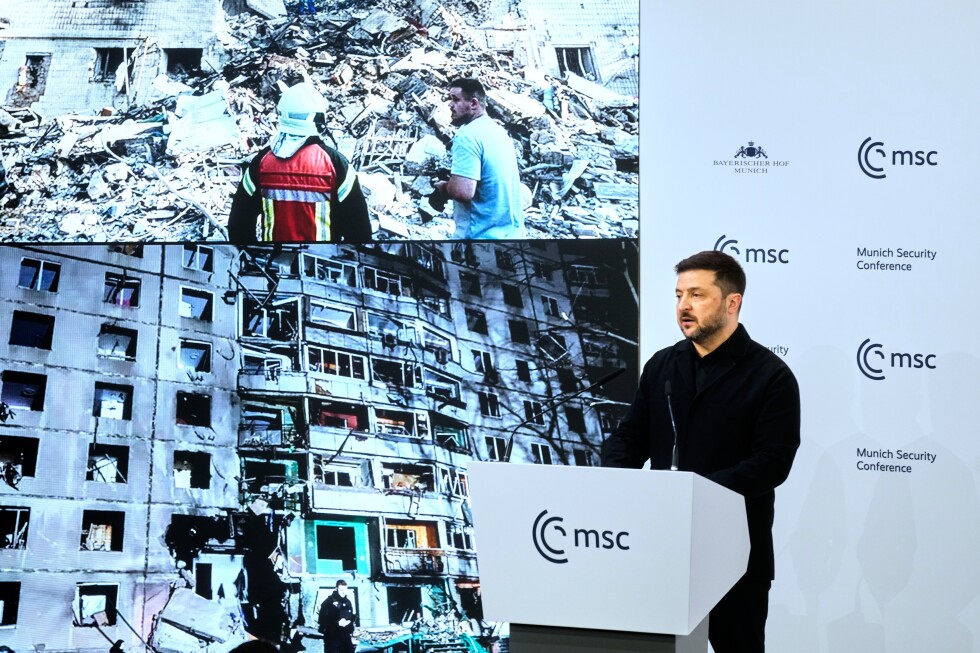
At the Munich Security Conference in Germany on Saturday, Ukrainian President Volodymyr Zelenskyy expressed concerns about several aspects of the proposed peace framework. He specifically highlighted uncertainties regarding future security guarantees for Ukraine and questioned the practicality of implementing a U.S.-proposed free trade zone in the contested Donbas region—territory Russia has insisted Ukraine must cede as a condition for peace.
Zelenskyy pointed to a fundamental disagreement over the sequencing of any potential agreements. “The Americans want peace as quickly as possible,” he noted, adding that U.S. negotiators prefer signing all agreements simultaneously, while Ukraine insists on securing guarantees for the country’s future security first.
Senator Jeanne Shaheen, a ranking member of the U.S. Senate Foreign Relations Committee, reinforced these concerns in Munich on Sunday. “Unless we have real security guarantees on whatever peace agreement is ultimately determined, we are going to be here again,” Shaheen warned, suggesting that Russia’s ambitions extend “beyond Ukraine.”
European Union foreign policy chief Kaja Kallas offered a blunt assessment of Russia’s diplomatic strategy, suggesting Moscow hopes to achieve at the negotiating table what it has failed to win on the battlefield. Kallas emphasized that key Russian demands—including sanctions relief and the unfreezing of assets—are decisions that ultimately rest with Europe, not the United States.
“If we want a sustainable peace then we need concessions also from the Russian side,” Kallas stated, pushing back against a one-sided approach to negotiations.
Previous U.S.-led diplomatic initiatives, including two recent rounds of talks in Abu Dhabi, have failed to resolve the most contentious issues. Chief among these is the status of Ukraine’s industrial Donbas region, which remains largely under Russian occupation and has become a central point of contention in any potential settlement.
As negotiators prepare to meet in Geneva, these latest attacks underscore the challenging backdrop against which peace talks will unfold—with both sides continuing to use military pressure to strengthen their respective positions at the negotiating table, and fundamental disagreements persisting over territorial integrity, security guarantees, and the path to a sustainable resolution of the conflict.
Fact Checker
Verify the accuracy of this article using The Disinformation Commission analysis and real-time sources.

11 Comments
This drone strike on the Russian port is a bold move by Ukraine, but one that carries significant risks. Disrupting Russia’s oil exports could impact energy supplies worldwide and potentially provoke a harsh retaliation. The stakes are high as the two sides prepare to meet for talks.
The damage to the Russian port is concerning, as it could disrupt oil exports and further strain the global energy market. However, the retaliatory strikes on Ukraine’s Odesa region are equally troubling and illustrate the widening scope of the conflict.
You make a good point. This tit-for-tat dynamic risks escalating the situation and making it even harder to find a diplomatic solution. Maintaining open communication channels will be crucial in the coming talks.
These reciprocal attacks demonstrate the fragility of the situation and the difficulty of reaching a lasting peace agreement. Both sides seem intent on maintaining maximum leverage, even if it means escalating the economic and infrastructure warfare. The upcoming talks will require nuanced diplomacy and a willingness to compromise on both sides.
The drone strike on the Russian port and the retaliatory attacks on Ukraine’s Odesa region illustrate the high stakes and escalating nature of this conflict. Targeting critical energy and economic assets is a risky strategy that could have far-reaching consequences for global commodity markets. Hopefully, the peace talks can find a way to de-escalate the situation and protect civilian infrastructure.
It’s worrying to see the conflict expanding to target critical economic assets on both sides. This could have far-reaching consequences for the global energy and commodity markets, which are already strained. Hopefully, the upcoming peace talks can find a way to de-escalate the situation.
This drone strike highlights the ongoing escalation of the conflict as both sides target each other’s critical infrastructure. It will be interesting to see how it impacts the upcoming peace talks, which are already expected to be challenging given the high stakes involved.
Absolutely, the attacks underscore the fragility of the situation and the difficulty of reaching a negotiated settlement. Both sides seem determined to maintain leverage through economic warfare.
The targeting of energy infrastructure on both sides is concerning and highlights the high-stakes economic warfare unfolding. While Ukraine may see attacks on Russian oil facilities as a way to undermine the Kremlin’s war effort, the civilian impacts in Odesa are worrying. Maintaining a focus on protecting non-combatants will be crucial in the negotiations.
This attack on Russian energy infrastructure is a bold move by Ukraine, likely aimed at crippling Moscow’s war effort by cutting off crucial oil revenue. However, the collateral damage to civilian utilities in Odesa is regrettable and may undermine Ukraine’s moral high ground.
I agree, the civilian impacts of these attacks are concerning and could make it more difficult to build international support for Ukraine’s position. Both sides will need to demonstrate restraint and a commitment to protecting non-combatants.