


Listen to the article
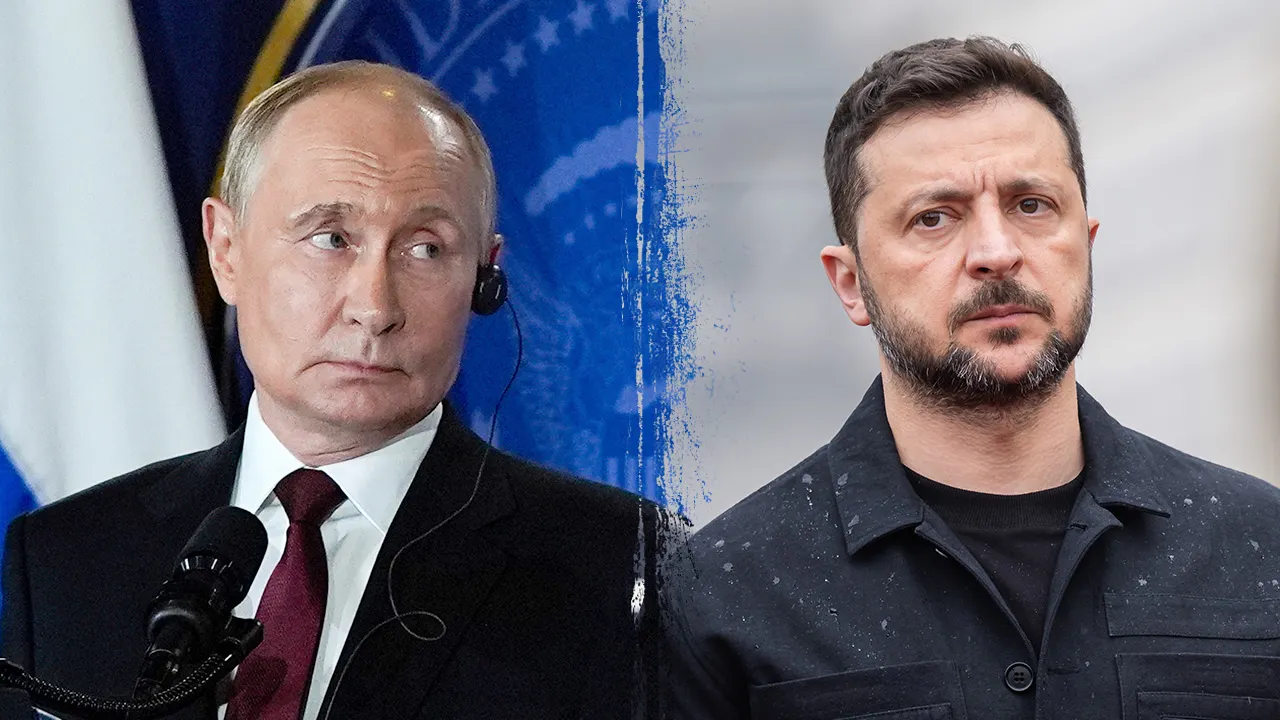
Russian and Ukrainian negotiators continue peace talks as conflict rages on in Odesa, with Putin threatening further military action if diplomacy fails.
Kremlin envoy Kirill Dimitriev described ongoing peace negotiations with Ukraine as “constructive” during a press conference in Florida on Saturday, even as Russian forces launched a deadly missile strike on Ukraine’s southern port city of Odesa that killed eight people and injured 27 others.
“The discussions are proceeding constructively. They began earlier and will continue today, and will also continue tomorrow,” Dimitriev told reporters gathered for the Florida meeting, where he met with U.S. envoy Steve Witkoff and Jared Kushner, son-in-law of President Donald Trump. This meeting followed separate discussions between U.S. representatives and Ukrainian officials.
Ukrainian President Volodymyr Zelenskyy appeared uncertain about the progress of peace talks when speaking to journalists on Saturday. “The key question remains how the United States responds after consultations with the Russians. At this point, I honestly don’t know, but I will know later today,” he said.
Meanwhile, Russia has maintained its military campaign against Ukraine despite the diplomatic efforts. The attack on Odesa represents the latest in ongoing Russian strikes against civilian infrastructure in major Ukrainian cities, a strategy that has drawn international condemnation throughout the conflict.
Russian President Vladimir Putin made clear on Friday that he believes Russia holds the upper hand militarily, stating during his annual news conference that “our troops are advancing all across the line of contact, faster in some areas or slower in some others, but the enemy is retreating in all sectors.”
Putin framed the peace negotiations as preferable but not necessary for Russia to achieve its objectives. “The goals of the special military operation will undoubtedly be achieved. We would prefer to accomplish this and address the root causes of the conflict through diplomatic means,” he said, before adding a direct threat: “However, if the opposing side and its foreign patrons refuse to engage in substantive dialogue, Russia will achieve the liberation of its historical lands by military means.”
Russia’s demands have remained largely unchanged since the beginning of the conflict, requiring Ukraine to cede significant territory, including areas not currently under Russian occupation. These terms have been repeatedly rejected by Kyiv as unacceptable, with Ukrainian officials maintaining that any peace agreement must respect Ukraine’s territorial integrity.
The diplomatic meetings come at a critical juncture in the conflict, which has now stretched into its fourth year. The war has caused immense suffering on both sides, with tens of thousands of casualties and millions of Ukrainians displaced from their homes.
The involvement of the Trump administration in these negotiations represents a significant shift in U.S. policy toward the conflict. President Trump has repeatedly expressed his desire to broker a peace deal between Russia and Ukraine, though critics have raised concerns about potential concessions that might favor Russian interests.
Military analysts note that Russia’s recent battlefield gains, particularly in eastern Ukraine, may be strengthening Putin’s negotiating position. Ukrainian forces have faced growing challenges in recent months, including ammunition shortages and troop fatigue, while Russia has mobilized significant resources to maintain its offensive operations.
International observers remain skeptical about the prospects for a diplomatic breakthrough given the wide gap between the two sides’ positions and Russia’s continued military operations. The European Union and NATO allies continue to support Ukraine with financial and military aid, though questions persist about the long-term sustainability of this assistance.
As these talks continue, civilians in Ukrainian cities like Odesa remain in the crosshairs, highlighting the urgent humanitarian stakes of any potential peace agreement.
Fact Checker
Verify the accuracy of this article using The Disinformation Commission analysis and real-time sources.

6 Comments
The continued Russian strikes on civilian targets like Odesa are deeply concerning. While the talks seem constructive, the Kremlin’s actions on the ground undermine any progress. Zelenskyy’s uncertainty reflects the fragility of the situation.
You’re right, the disconnect between the diplomatic and military efforts is troubling. It will take real compromise and de-escalation on both sides to reach a meaningful ceasefire and peace agreement.
As an investor, I’m closely watching these developments for their potential impact on commodity markets, especially energy and metals. Ongoing instability could disrupt supply chains and drive price volatility. Careful analysis will be key in this environment.
It’s encouraging to see the peace talks progressing, even amidst the ongoing violence. Diplomacy is critical to finding a sustainable resolution to this conflict. I hope the US can play a constructive role in advancing the negotiations.
The role of the US in mediating these peace talks is critical. I hope they can leverage their influence to push for a fair and sustainable resolution that addresses the legitimate security concerns of all parties. Lasting peace in the region is essential.
While the progress in the talks is encouraging, the continued fighting on the ground is deeply troubling. I worry that even if a ceasefire is reached, the damage and distrust may be too deep to achieve a lasting peace. Rebuilding will be an enormous challenge.