


Listen to the article
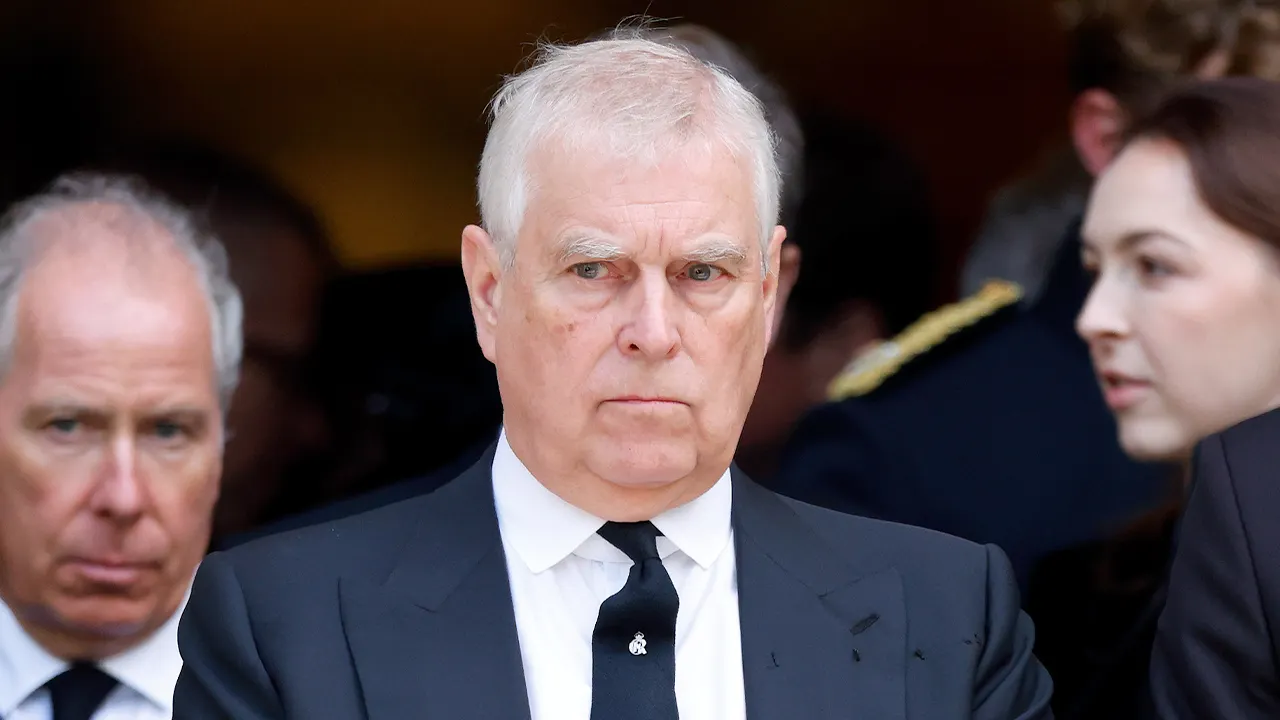
The U.K. Parliament is set to debate the release of confidential documents related to Andrew Mountbatten-Windsor, formerly Prince Andrew, following his recent arrest. The files in question concern his 2001 appointment as Britain’s special envoy for international trade and have gained significance amid allegations that he shared classified information with Jeffrey Epstein.
This parliamentary deliberation represents an unusual break from tradition. House of Commons rules have historically prohibited members from criticizing the royal family. Ed Davey, leader of the Liberal Democrats who introduced the motion, aims to challenge these restrictions in pursuit of accountability.
“One thing the Liberal Democrats stand for is to hold the powerful to account,” Davey told the BBC. “And I think we’ve seen too often in the past that people, because of their title or their friend or whatever, have not been properly held to account.”
The push for transparency follows the U.S. Justice Department’s release of millions of documents related to the Epstein case, some of which implicate the former prince. The scandal has sent shockwaves through British society, raising questions about the conduct of aristocracy, senior politicians, and influential business figures.
Mountbatten-Windsor, who turned 66 on the day of his arrest, was stripped of his royal title last year due to his association with Epstein. His fall from grace began in 2019 when his mother, the late Queen Elizabeth II, forced him to relinquish his royal duties and charitable work following a disastrous BBC interview in which he attempted to explain his relationship with the convicted sex offender.
The British government is now considering removing Mountbatten-Windsor from the line of succession. Despite losing his princely title in October, he remains eighth in line to the throne. Such a move would require new legislation, marking a significant constitutional development. The last time a royal was removed from the line of succession was after King Edward VIII’s abdication in 1936, when the law was amended to exclude him and his descendants.
Last week, Thames Valley Police arrested Mountbatten-Windsor on suspicion of misconduct while in public office. The allegations suggest he shared confidential documents with Epstein during his tenure as Britain’s trade envoy. Assistant Chief Constable Oliver Wright stated that following “a thorough assessment, we have now opened an investigation into this allegation of misconduct in public office.”
“It is important that we protect the integrity and objectivity of our investigation as we work with our partners to investigate this alleged offense,” Wright added. “We understand the significant public interest in this case, and we will provide updates at the appropriate time.”
King Charles III, Mountbatten-Windsor’s elder brother, has expressed his “deepest concern” regarding the arrest and affirmed that “the law must take its course.” The monarch assured that authorities have Buckingham Palace’s “full and wholehearted support and co-operation” in their investigation.
The case represents an unprecedented challenge for the royal family, which has historically enjoyed certain protections from public scrutiny. The parliamentary debate signals a potential shift in how accountability applies to members of the monarchy, particularly when allegations involve abuse of public office.
For the British public, the case reopens questions about the relationship between power, privilege, and justice. It comes at a sensitive time for the monarchy, with King Charles still establishing his reign and public opinion increasingly focused on transparency and ethical conduct from all public figures, regardless of their status.
Mountbatten-Windsor was released from police custody hours after his arrest as the investigation continues. The case has drawn international attention and represents one of the most significant scandals involving the British royal family in recent decades.
Fact Checker
Verify the accuracy of this article using The Disinformation Commission analysis and real-time sources.

6 Comments
The public deserves answers about Prince Andrew’s relationship with Epstein and any potential abuse of power. This is a complex issue that touches on issues of class, privilege, and the limits of democratic accountability.
This is an important transparency issue that deserves close scrutiny. The public deserves to know the full extent of Prince Andrew’s connections to the Epstein scandal and any potential wrongdoing. Holding the powerful accountable is critical for a healthy democracy.
It’s encouraging to see efforts to hold the powerful to account, even when they are part of the royal family. Transparency is crucial, though the political dynamics around this case will be fascinating to watch unfold.
This scandal has clearly shaken the British establishment. It will be telling to see if the government is willing to truly lift the veil and expose any wrongdoing, or if they try to limit the scope of the inquiry.
Interesting to see the U.K. Parliament taking this step to potentially release confidential documents related to Prince Andrew’s role. Transparency around these high-profile cases is essential, even when it involves members of the royal family.
I agree, it’s a significant move to challenge the traditional protections afforded to the royals. Accountability should apply equally regardless of one’s title or connections.