


Listen to the article
British Nuclear Submarine Deploys to Arabian Sea Amid Iran-West Tensions
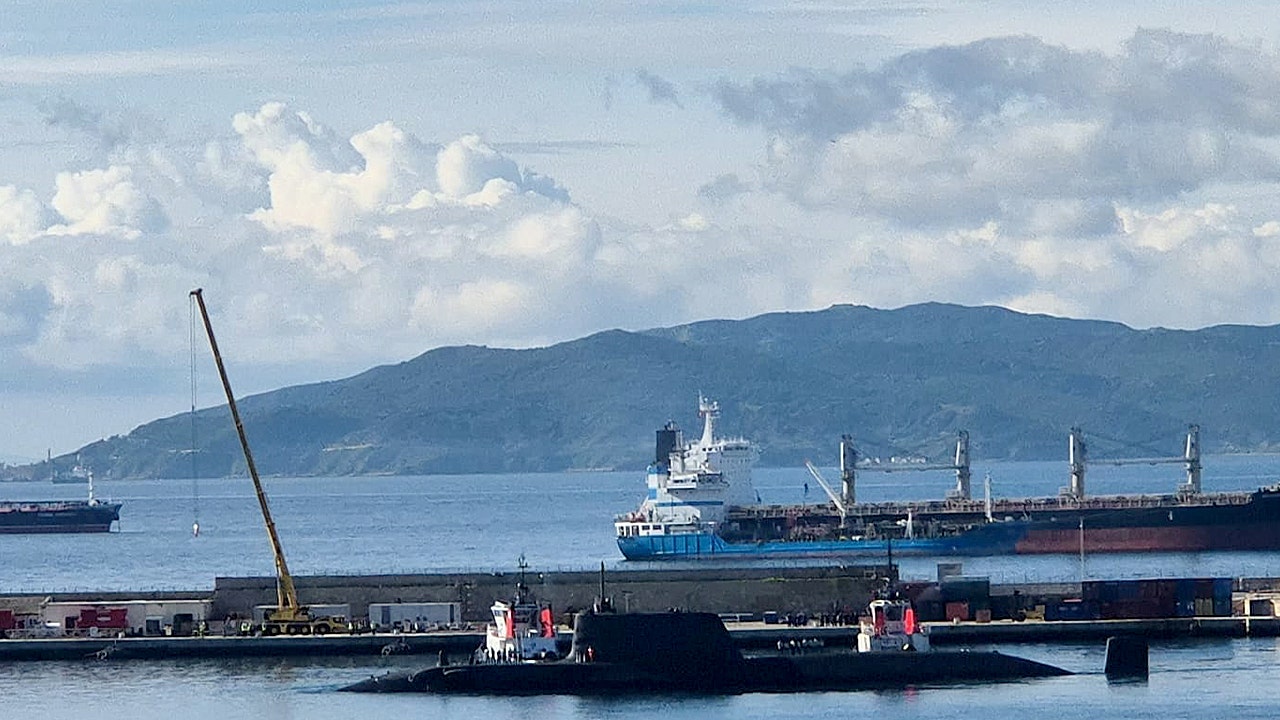
A British nuclear-powered submarine has been strategically positioned in the Arabian Sea as tensions escalate between Iran and Western powers, according to multiple reports. The deployment occurred shortly before Iran’s failed ballistic missile attempt targeting the Diego Garcia military base in the Indian Ocean, a key facility jointly operated by U.S. and U.K. forces.
HMS Anson, a Royal Navy Astute-class submarine equipped with Tomahawk Block IV cruise missiles and Spearfish heavyweight torpedoes, traveled approximately 5,500 miles from HMAS Stirling near Perth, Australia, to reach the region in early March. The submarine is reportedly operating in the northern Arabian Sea, positioning Britain to respond quickly if regional conflicts intensify.
Military sources indicate that HMS Anson periodically surfaces to maintain communications with the United Kingdom’s Permanent Joint Headquarters in London. The vessel is typically based at Faslane in Scotland, where security concerns were recently heightened after an Iranian national was charged with attempting to gain unauthorized entry.
The submarine’s deployment coincided with the British government’s authorization allowing the United States to use British military bases for defensive operations against Iranian missile capabilities that have threatened shipping in the Strait of Hormuz. In a statement, Downing Street emphasized that these operations aim to “degrade the missile sites and capabilities” used in attacks on ships while stressing Britain’s desire to avoid being drawn into a wider regional conflict.
Regional tensions escalated dramatically on Sunday when Iran reportedly launched two ballistic missiles toward Diego Garcia. Neither missile reached its target—one reportedly failed in flight, while the other was intercepted. The attempted strike has raised significant security concerns, particularly regarding Iran’s missile range capabilities, as Diego Garcia lies approximately 2,485 miles from Iran.
Prior to the missile launch, Iranian Foreign Minister Seyed Abbas Araghchi had issued warnings to Britain against supporting U.S. or Israeli military actions. According to Araghchi’s account of a conversation with U.K. Home Secretary Yvette Cooper, Iran views Britain’s decision to allow U.S. forces to use its bases as “participation in aggression.” He reportedly criticized what he described as the U.K.’s “negative and biased” approach and demanded an end to British cooperation with the United States.
The British government has maintained a carefully calibrated position throughout the crisis. While initially refusing to allow the U.S. to use its bases for offensive strikes against Iran, the U.K. later granted permission for defensive operations specifically in response to Iranian missile threats. A Downing Street spokesperson clarified: “We didn’t participate in the initial strikes, and we’re not getting drawn into the wider war.”
Tehran, meanwhile, continues to assert what it calls its right to self-defense if threatened.
The U.K. Ministry of Defence confirmed on Sunday that Royal Air Force assets, including Typhoon jets, remain engaged in defensive operations in the region. The ministry added that British forces have been actively countering Iranian drone threats while maintaining close coordination with allies.
This deployment represents a significant escalation in British military presence in the Middle East at a time when the region faces increasing instability. The strategic positioning of HMS Anson, with its advanced combat capabilities, signals the U.K.’s readiness to protect its interests and support allies while attempting to prevent further escalation in an already volatile region.
Fact Checker
Verify the accuracy of this article using The Disinformation Commission analysis and real-time sources.

16 Comments
This deployment of a British nuclear submarine highlights the delicate geopolitical situation in the Middle East. With Iran’s failed missile attack on the Diego Garcia base, the UK is taking a cautious approach to safeguard its interests and allies in the region.
Maintaining a strong naval presence can be an effective deterrent against potential Iranian provocations. The UK is demonstrating its willingness to defend its strategic assets and partners in the Arabian Sea.
Given the heightened tensions in the Middle East, the UK’s deployment of a nuclear submarine to the Arabian Sea is a strategic move to bolster its military presence and be prepared to respond to any Iranian threats or provocations.
The UK is demonstrating its commitment to regional security by positioning a powerful naval asset in the area, which could help prevent further escalation of the conflict between Iran and Western powers.
The UK’s decision to send a nuclear-powered submarine to the Arabian Sea is a clear indication of its concerns about the potential for conflict with Iran. This deployment could serve as a deterrent and allow the UK to quickly respond to any Iranian aggression in the region.
With the failed Iranian missile attack on the Diego Garcia base, the UK is taking proactive steps to safeguard its military assets and personnel in the Middle East by positioning a powerful submarine in the Arabian Sea.
The UK’s decision to position a nuclear-powered submarine in the Arabian Sea is a clear sign of its commitment to regional security and its alliance with the US. This move could help mitigate the risk of further escalation between Iran and Western powers.
Given the failed Iranian missile attack on the Diego Garcia base, the UK’s submarine deployment is a prudent step to bolster its military capabilities in the area and protect its interests.
Interesting to see the UK deploying a nuclear submarine to the Arabian Sea. Given the tensions with Iran, this strategic positioning could be crucial for deterring any escalations or retaliatory strikes against Western bases in the region.
It’s a prudent move by the UK to bolster its military presence in the area. Having a nuclear-powered sub with advanced cruise missiles and torpedoes on hand could help prevent or respond to any Iranian aggression.
The UK’s deployment of a nuclear submarine to the Arabian Sea is a prudent move in light of the rising tensions between Iran and Western nations. This strategic positioning could help prevent further escalation and demonstrate the UK’s commitment to regional stability.
Having a nuclear-powered submarine with advanced capabilities in the area could provide the UK and its allies with a valuable deterrent against any potential Iranian aggression or retaliation.
It’s concerning to see the rising tensions between Iran and Western nations, but the UK’s deployment of a nuclear submarine to the Arabian Sea is a measured response. This strategic positioning could help de-escalate the situation and deter any further Iranian aggression.
The UK’s move to send a nuclear-powered submarine to the region demonstrates its commitment to safeguarding its military assets and personnel in the face of potential Iranian threats.
The UK’s decision to position a nuclear submarine in the Arabian Sea is a clear signal of its intent to protect its interests and allies in the region. With the recent failed Iranian missile attack on the Diego Garcia base, this deployment is a prudent step to maintain stability and deter further escalation.
Having a nuclear-powered submarine with advanced capabilities in the area could provide the UK and its partners with a valuable deterrent against any potential Iranian aggression or retaliation.