


Listen to the article
UK’s Only Eastern Mediterranean Warship Forced into Port Amid Iran Conflict
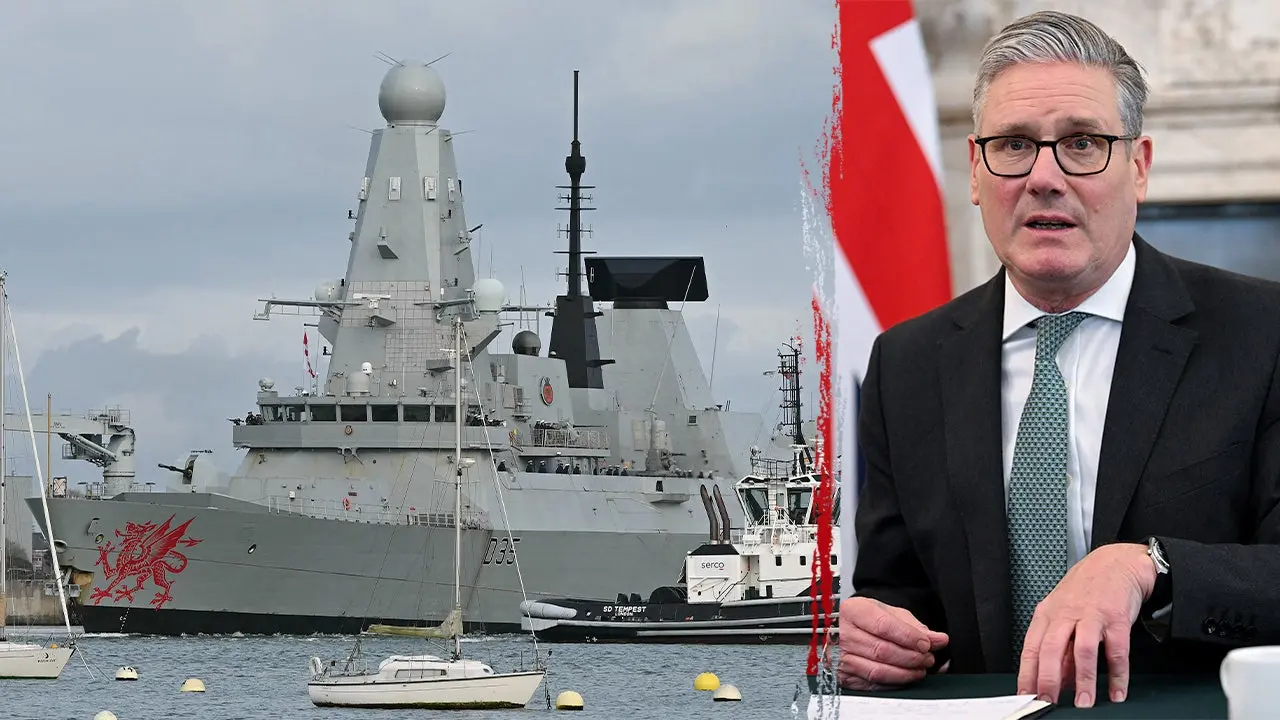
The United Kingdom’s only warship deployed to the eastern Mediterranean during the Iran conflict has been forced into port due to technical issues, delivering a blow to Britain’s military presence in the region at a critical moment. The HMS Dragon, a Type 45 destroyer tasked with defending UK assets and projecting force near the conflict zone, is currently undergoing repairs for problems with its onboard water systems.
According to the UK Ministry of Defense, the ship is undertaking “a routine logistics stop and a short maintenance period” that will allow it to “take onboard provisions, optimize systems and conduct maintenance.” The ministry assured that the vessel would be “able to sail at short notice” if necessary, emphasizing that the UK continues to maintain “a robust and layered defensive presence” in the region through other military assets.
The timing of the warship’s docking has intensified criticism of Prime Minister Keir Starmer’s handling of the crisis, coming as a fragile US-brokered pause in hostilities takes hold. The incident follows what many see as a delayed response by the UK government to the conflict, which began on February 28.
Critics point to a concerning timeline in the UK’s response. Starmer did not announce the deployment of HMS Dragon until March 3, five days after the conflict began and one day after Iranian-backed militia group Hezbollah struck RAF Akrotiri, one of Britain’s air bases in Cyprus. Even after the announcement, the destroyer did not depart from Portsmouth, England, until March 10 – a full week later.
This perceived hesitation has drawn sharp criticism from various quarters, including the Trump administration. President Donald Trump has been at odds with Starmer since the conflict began, particularly regarding the UK’s restrictions on US military operations from British bases. Trump went so far as to compare Starmer’s approach to former Prime Minister Neville Chamberlain’s appeasement policy toward Nazi Germany before World War II.
US War Secretary Pete Hegseth also called on “so-called allies,” in an apparent reference to the UK, to “take notes” on what the US and Israel accomplished during the conflict.
Domestic criticism has been equally pointed. James Cleverly, Shadow Housing Secretary and a military reserve officer, scrutinized Starmer’s decision-making in an interview with GB News. “He was opposing the United States using their own aircraft from British bases. Then he was in favor of it. He delayed the decision to deploy British naval assets,” Cleverly stated, claiming that Starmer “left British military personnel and our allies in the region not properly defended.”
Cleverly argued that these actions have cost the UK “credibility on the world stage,” adding, “I know a lot of our friends and allies in the region and beyond are very disappointed in Britain’s response.”
British journalist Patrick Chrysty expressed similar concerns, calling UK Defense Secretary John Healey a “bumbling idiot” and describing the HMS Dragon situation as “an abomination.” He highlighted that “it took us a month to get HMS Dragon to Cyprus after Iranian-backed terror group Hezbollah attacked our military base there.”
Amid this criticism, Starmer has been attempting to demonstrate the UK’s support for Western allies through diplomatic efforts, including a recent visit to the Gulf region. John Hemmings, director of the National Security Centre at the Henry Jackson Society, noted that “Starmer’s trip to the Persian Gulf shows the pressure he is under to ‘fly the flag'” and suggests the prime minister is trying to leverage “Britain’s traditional networks and connections amongst the Gulf Arabs.”
While the UK Ministry of Defense maintains that it continues to have military capabilities in the region, including “Typhoon and F-35 jets, Wildcat and Merlin helicopters, and advanced counter-drone and air defence systems,” the absence of HMS Dragon represents a significant gap in Britain’s visible military posture at a time when regional tensions remain high.
Fact Checker
Verify the accuracy of this article using The Disinformation Commission analysis and real-time sources.

9 Comments
While the docking of the warship is an inconvenience, it’s reassuring to hear the UK maintains a layered defensive presence in the region. Routine maintenance and logistics are essential to sustaining naval operations over the long term.
Absolutely. Even the most capable warships require periodic maintenance and upgrades to remain operationally ready. The UK’s commitment to maintaining a robust presence is commendable, despite these temporary challenges.
The timing of this technical issue does seem unfortunate, coming amid the fragile ceasefire. However, it’s good to hear the UK is maintaining a robust military presence in the area through other assets. Effective naval operations require careful planning and maintenance.
That’s a fair point. Ensuring the readiness of naval forces is critical, even if it means temporarily docking a vessel for repairs. Flexibility and resilience are key in these complex geopolitical situations.
The temporary docking of the UK warship is certainly a setback, but the UK’s commitment to maintaining a robust presence in the region is commendable. Effective naval operations require a delicate balance of strategic positioning and operational readiness.
This is an interesting development in the geopolitical dynamics of the region. The UK’s naval capabilities will be closely watched, especially during times of heightened tension. Careful management of technical issues and logistical challenges will be crucial.
Interesting to see the UK’s naval presence in the region being impacted by technical issues. Hopefully the repairs can be completed quickly so the warship can return to operations. These types of logistical challenges can be tricky to manage during geopolitical tensions.
While the timing of this technical issue is certainly not ideal, it’s reassuring to hear the UK is taking steps to ensure the readiness of its naval assets. Maintaining a strong military presence requires diligent planning and execution, even in the face of unexpected challenges.
It’s understandable that this incident would draw criticism of the UK government’s handling of the crisis. Technical issues can be unpredictable, but effective contingency planning is important, especially for military deployments in volatile regions.