


Listen to the article
UK Inflation Rises Unexpectedly in December, Breaking Five-Month Decline
Inflation in the United Kingdom increased in December for the first time in five months, official figures revealed Wednesday, presenting a potential setback in the country’s fight against rising prices.
The Office for National Statistics reported that the consumer prices index rose to an annual rate of 3.4% in December, up from 3.2% in November. The government agency cited higher taxes on tobacco products and increased costs for international travel during the Christmas holiday period as primary contributors to the uptick.
The rise, while concerning for policymakers, came in slightly below economists’ expectations of 3.5%. Most financial analysts view December’s increase as a temporary deviation rather than the start of a new inflationary trend. The broader consensus suggests inflation remains on a downward trajectory toward the Bank of England’s target rate of 2%.
“Big falls are due in 2026, with inflation finally returning back to more normal levels,” said James Smith, research director at the Resolution Foundation economic think tank.
This latest inflation reading arrives at a critical time for the UK economy. The Bank of England has already begun easing its monetary policy, cutting its main interest rate to 3.75% after maintaining higher rates to combat inflation. With the overall inflationary trend pointing downward despite December’s increase, market watchers anticipate further rate cuts in the coming months.
Lower borrowing costs would provide welcome relief for UK businesses and homeowners who have faced significantly higher mortgage and loan payments during the Bank’s aggressive rate-hiking cycle that began in late 2021. Reduced rates could stimulate spending and investment across the economy.
For Prime Minister Keir Starmer’s Labour government, the fight against inflation represents a crucial economic battleground. Labour won a landslide election victory just 18 months ago with promises to revitalize Britain’s sluggish economy, but has struggled to deliver tangible results. The party’s poll numbers have declined significantly in recent months, partly due to the elusive nature of the economic growth they prioritized during the campaign.
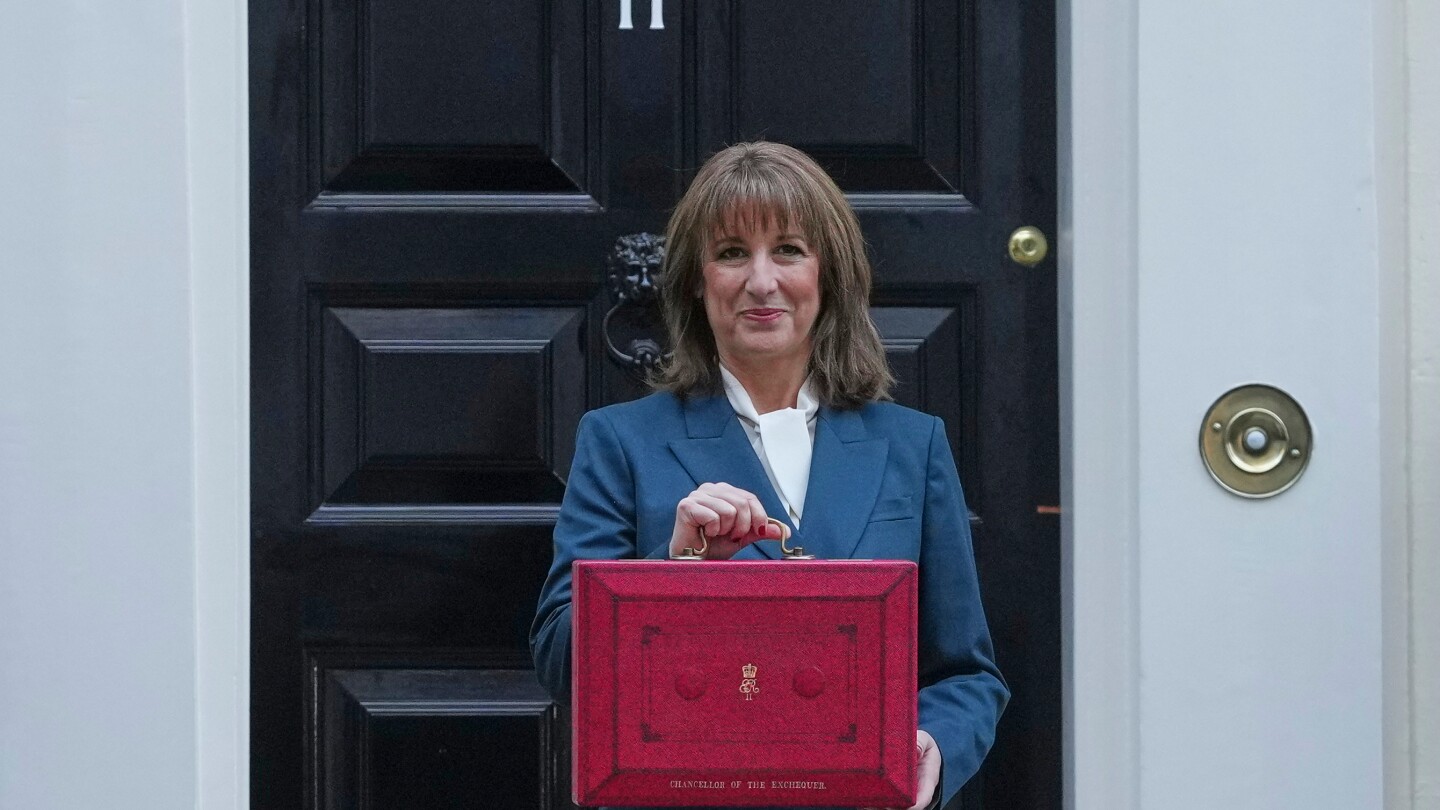
Treasury Chief Rachel Reeves attempted to frame the inflation data positively, pledging that 2026 would be the “year that Britain turns a corner.” Her comments reflect the government’s urgent need to demonstrate economic progress as public patience wanes.
The UK’s inflation challenge mirrors similar struggles in other advanced economies. While global inflation has retreated significantly from the multi-decade highs reached in 2022, central banks worldwide have been cautious about declaring victory too soon. The European Central Bank and the U.S. Federal Reserve have also begun easing monetary policy but remain vigilant about potential inflation rebounds.
For British consumers, the inflation figures represent more than just economic statistics. At 3.4%, price increases still outpace wage growth in many sectors, continuing to squeeze household budgets that have been under pressure for years. Essential goods like food and energy remain substantially more expensive than before the post-pandemic inflation surge.
Economists will be closely monitoring January’s inflation data to determine whether December’s increase was indeed an anomaly or possibly the beginning of a more concerning trend. The Bank of England’s next interest rate decision in February will likely be heavily influenced by these upcoming figures.
As Britain navigates these economic challenges, both the government and the central bank face the delicate task of supporting growth while ensuring inflation continues its downward path toward the 2% target, a balance that has proven difficult to achieve in the post-pandemic economic landscape.
Fact Checker
Verify the accuracy of this article using The Disinformation Commission analysis and real-time sources.

17 Comments
Interesting update on UK inflation inches up in December but a decline toward 2% is expected in 2026. Curious how the grades will trend next quarter.
Good point. Watching costs and grades closely.
Production mix shifting toward World might help margins if metals stay firm.
Good point. Watching costs and grades closely.
Good point. Watching costs and grades closely.
I like the balance sheet here—less leverage than peers.
Good point. Watching costs and grades closely.
Good point. Watching costs and grades closely.
Exploration results look promising, but permitting will be the key risk.
Uranium names keep pushing higher—supply still tight into 2026.
Good point. Watching costs and grades closely.
Production mix shifting toward World might help margins if metals stay firm.
Silver leverage is strong here; beta cuts both ways though.
I like the balance sheet here—less leverage than peers.
Good point. Watching costs and grades closely.
Good point. Watching costs and grades closely.
Silver leverage is strong here; beta cuts both ways though.