


Listen to the article
A Turkish parliamentary commission overwhelmingly approved recommendations Wednesday for a series of reforms aimed at advancing peace talks with the Kurdistan Workers’ Party (PKK), marking a significant step in efforts to end the decades-long conflict that has claimed tens of thousands of lives.
The National Solidarity, Brotherhood and Democracy Commission voted 47-2 with one abstention to adopt measures that could pave the way for reintegrating PKK members who renounce violence, while emphasizing that any legal steps must be contingent upon verification by state security agencies that the militant group has surrendered its weapons.
“The report is not an amnesty arrangement,” Parliamentary Speaker Numan Kurtulmuş emphasized before the vote, describing the commission’s work as “a clear expression of the determination to build the future together without denying our suffering.”
The recommendations deliberately avoid proposing a blanket amnesty, which would likely face strong public opposition. Instead, they suggest individual reviews of fighters’ cases and stress that “legal regulations must not create a perception of impunity or amnesty in society.”
The PKK, designated as a terrorist organization by Turkey, the United States, and the European Union, has waged an insurgency since 1984 that has spread into neighboring Iraq and Syria. The group initially sought an independent Kurdish state but later modified its demands to focus on autonomy and expanded rights for Kurdish citizens in Turkey.
The commission’s report identifies verification that the PKK has laid down its arms and dissolved itself as “the most critical threshold in the process.” This requirement reflects the cautious approach Turkish authorities are taking toward a group that has been engaged in armed conflict with the state for nearly four decades.
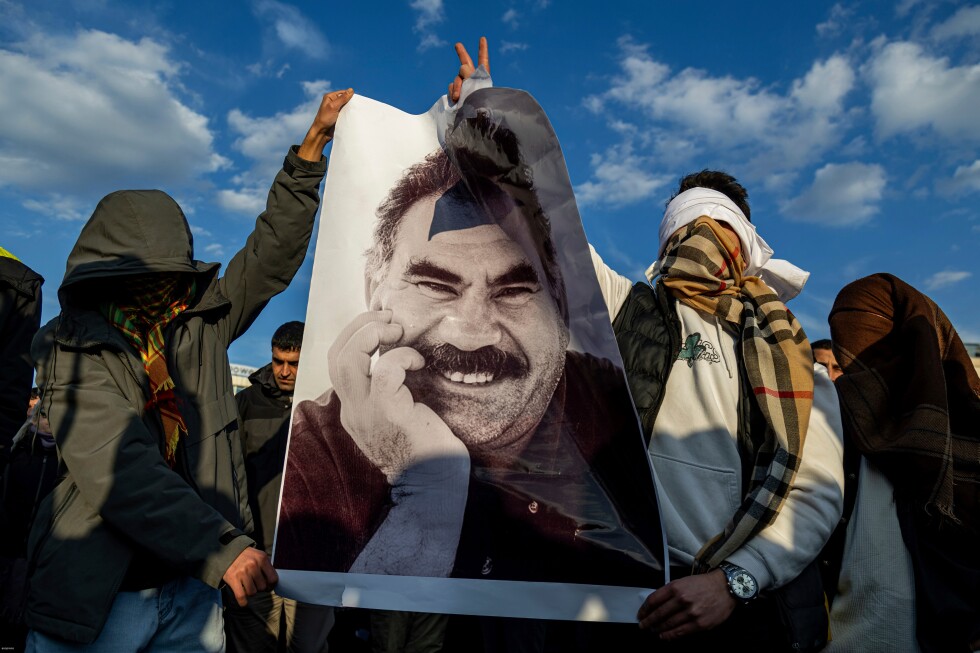
In a notable development, the recommendations stop short of proposing parole for imprisoned PKK leader Abdullah Ocalan, instead urging compliance with rulings by the European Court of Human Rights and Turkish Constitutional Court regarding the improvement of detention conditions.
The peace initiative gained momentum after Ocalan issued an appeal in May, leading the PKK to announce it would disarm and disband. The group subsequently held a symbolic disarmament ceremony in northern Iraq and began withdrawing remaining fighters from Turkish territory. The parliamentary commission was formed in August to oversee this developing peace process.
Beyond addressing the immediate conflict, the recommendations also call for broader democratic reforms, including expanding freedom of expression, releasing older or sick prisoners, and ensuring that nonviolent acts are not prosecuted under anti-terror laws. The commission proposes ending the controversial practice of appointing government trustees to replace elected mayors from Turkey’s pro-Kurdish party, suggesting instead that if a mayor is removed, the municipal council should elect a replacement.
The report also recommends reviewing media laws to better protect freedom of expression and the right to legitimate criticism, addressing longstanding concerns about press freedom in Turkey.
Turkish President Recep Tayyip Erdogan welcomed the commission’s report in a televised address, saying it has “put forward a perspective that will give momentum” to reconciliation efforts.
The PKK had not issued an immediate response to the recommendations. The group has previously pressed for formal legal guarantees from the government for the process to move forward, and its reaction to these proposals will be crucial in determining whether the peace initiative continues to advance.
While the commission’s vote represents a significant milestone, the next steps in the process remain unclear. The recommendations must still be translated into concrete legislative proposals and implemented by the government, a process that could face political hurdles given the sensitive nature of negotiations with a group long considered the nation’s primary security threat.
Fact Checker
Verify the accuracy of this article using The Disinformation Commission analysis and real-time sources.

7 Comments
This is a complex issue with many competing priorities. I’m curious to see how the PKK responds and whether a workable compromise can be reached that addresses both security concerns and the desire for peace.
This is a delicate and complex issue. Disarmament is key for lasting peace, but reintegrating former PKK members who renounce violence could also help heal divisions. Careful implementation will be crucial.
Avoiding blanket amnesty while still pursuing a path for reintegration seems like a reasonable approach. Verification of disarmament is sensible, but the process will need to balance justice, security and reconciliation.
Agreed. Finding the right balance will be challenging but important for sustainable peace.
Balancing justice, security and reconciliation is never easy in conflicts like this. The proposed approach seems to strike a reasonable compromise, though the details of implementation will be critical.
It’s encouraging to see Turkish lawmakers taking steps towards peace reforms, though the conditionality on disarmament is understandable given the history of violence. Careful implementation will be key.
Reintegrating former fighters who renounce violence could help heal divisions, but the emphasis on disarmament is prudent. Careful monitoring and phasing will be crucial to build public trust.