


Listen to the article
Trump-Backed Conservative Wins Honduran Presidency Amid Contested Election
TEGUCIGALPA, Honduras — Trump-backed candidate Nasry Asfura has won Honduras’ presidential election, electoral authorities announced Wednesday, ending a contentious weeks-long count that has undermined confidence in the Central American nation’s fragile electoral system.
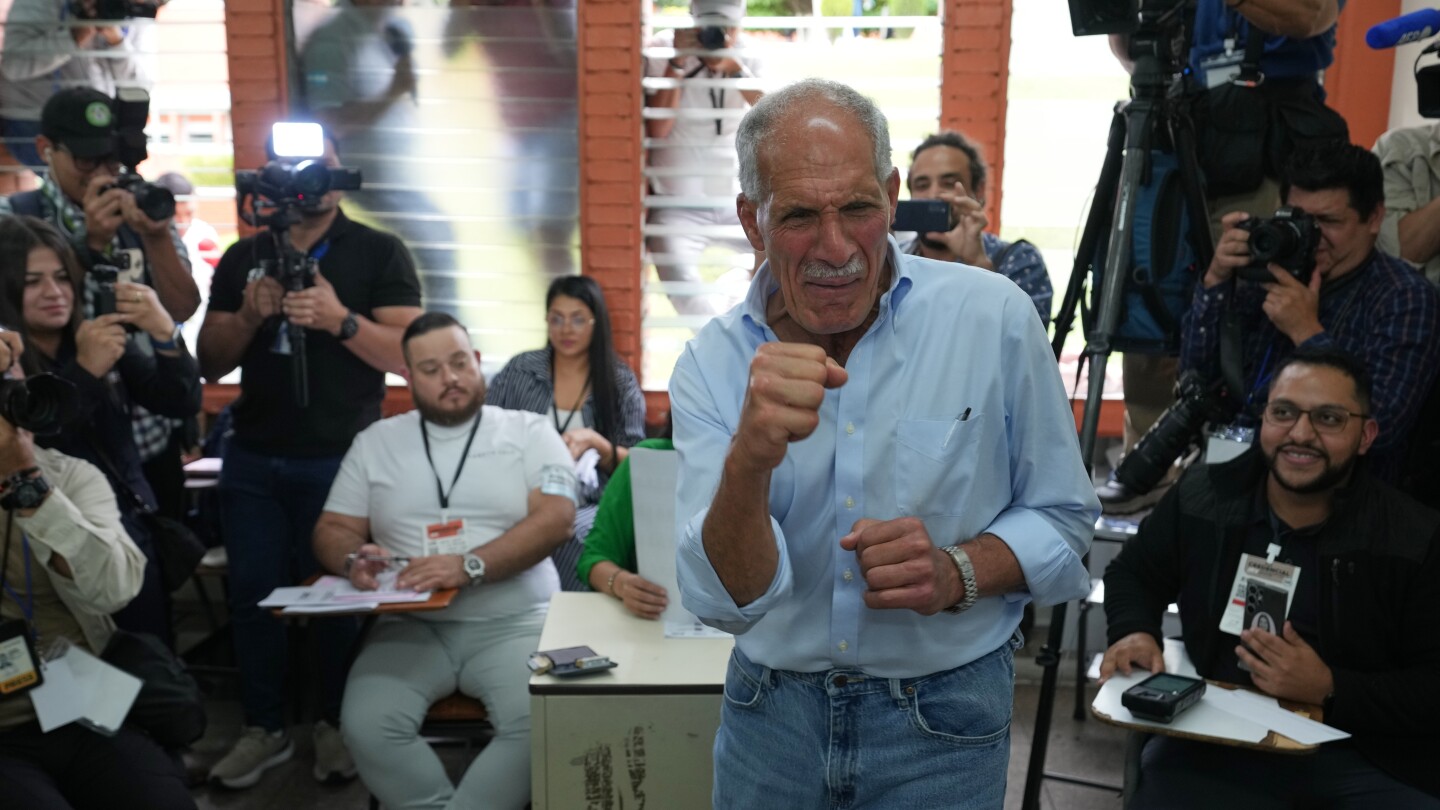
Asfura, of the conservative National Party, received 40.27% of the vote in the November 30 election, narrowly defeating four-time candidate Salvador Nasralla of the conservative Liberal Party, who finished with 39.53%.
“Honduras: I am prepared to govern,” Asfura wrote on social media shortly after the results were released. “I will not let you down.”
The election continues Latin America’s recent rightward political shift, coming just a week after Chile elected far-right politician José Antonio Kast as its president. The results represent a clear rebuke of the current leftist administration led by President Xiomara Castro and her democratic socialist Liberty and Re-foundation Party (LIBRE), whose candidate finished a distant third with just 19.19% of the vote.
Asfura, the former mayor of Tegucigalpa, secured victory in his second presidential bid after a protracted vote-counting process that kept the country in limbo for more than three weeks. The slow count fueled accusations of electoral manipulation and prompted international concern about the integrity of Honduras’ democratic institutions.
U.S. Secretary of State Marco Rubio quickly endorsed the results, writing on social media: “The people of Honduras have spoken… (the Trump administration) looks forward to working with his administration to advance prosperity and security in our hemisphere.” Other right-leaning Latin American leaders, including Trump ally and Argentine President Javier Milei, also extended congratulations to the president-elect.
The 67-year-old Asfura campaigned as a pragmatic politician, highlighting his popular infrastructure projects in the capital. His candidacy received a significant boost when President-elect Donald Trump endorsed him just days before the election, declaring he was the only Honduran candidate the incoming U.S. administration would work with.
Critics, including Nasralla, have maintained that Trump’s last-minute endorsement constituted electoral interference that ultimately swayed the results. “Mr. President, your endorsed candidate in Honduras is complicit in silencing the votes of our citizens,” Nasralla wrote to Trump on social media Tuesday night. “If he is truly worthy of your backing, if his hands are clean, if he has nothing to fear, then why doesn’t he allow for every vote to be counted?”
Even after the official announcement, Nasralla continued to dispute the results, claiming on Wednesday that electoral authorities who announced the results “betrayed the Honduran people.”
The election has been marred by a chaotic vote-counting process that at one point was completely paralyzed when electoral authorities called for a special count of final vote tallies. This delay prompted warnings from international observers and raised tensions throughout the country.
The Organization of American States (OAS), which had previously expressed concern about the delayed results, stated on Wednesday that it “takes note” of the announced outcome and is “closely following events in Honduras.” However, the OAS also criticized electoral authorities for declaring a winner while the final 0.07% of votes remained uncounted, particularly given the razor-thin margins.
For President Xiomara Castro, who was elected in 2021 on promises to reduce violence and root out corruption, the election marks a significant political reckoning. She is among a group of progressive Latin American leaders who were elected with hopeful messages of change about five years ago but have since lost support after failing to deliver on their promises. Castro announced last week that she would accept the election results, even as she characterized Trump’s involvement as an “electoral coup.”
Eric Olson, an independent international observer during the Honduran election with the Seattle International Foundation, noted that the rejection of Castro and her party was so definitive that they had little room to contest the results.
“Very few people, even within LIBRE, believe they won the election. What they will say is there’s been fraud, that there has been intervention by Donald Trump, that we should tear up the elections and vote again,” Olson said. “But they’re not saying ‘we won the elections.’ It’s pretty clear they did not.”
As Asfura prepares to take office, he faces significant challenges in addressing Honduras’ persistent issues of poverty, corruption, and violence – factors that continue to drive migration northward toward the United States, an issue likely to remain central to U.S.-Honduras relations under the incoming Trump administration.
Fact Checker
Verify the accuracy of this article using The Disinformation Commission analysis and real-time sources.

8 Comments
Interesting to see a conservative candidate win in Honduras after a contentious election. It will be important to watch how the new government handles the country’s economic and social challenges.
Agreed, the political shifts in Latin America are worth following closely. Honduras faces significant governance and security issues that the new president will need to address.
The rightward shift in Latin American politics is an interesting trend. It will be important to see how the new Honduran government balances economic development with social and environmental concerns.
Absolutely. The balance between economic growth and social/environmental sustainability is a key challenge for many developing countries in the region.
From an economic perspective, the new Honduran government’s policies towards mining, energy, and commodities will be closely watched by investors. Stability and clear regulations are important for attracting investment.
The victory of a Trump-backed candidate in Honduras raises some concerns about the integrity of the electoral process. Transparent and fair elections are crucial for democratic stability in the region.
You raise a fair point. The influence of external actors in national elections is a sensitive issue that requires careful monitoring and oversight.
Given the contested nature of the election, I hope the new Honduran government will make efforts to heal divisions and build bridges across the political spectrum. Inclusive governance is crucial for long-term stability.