


Listen to the article
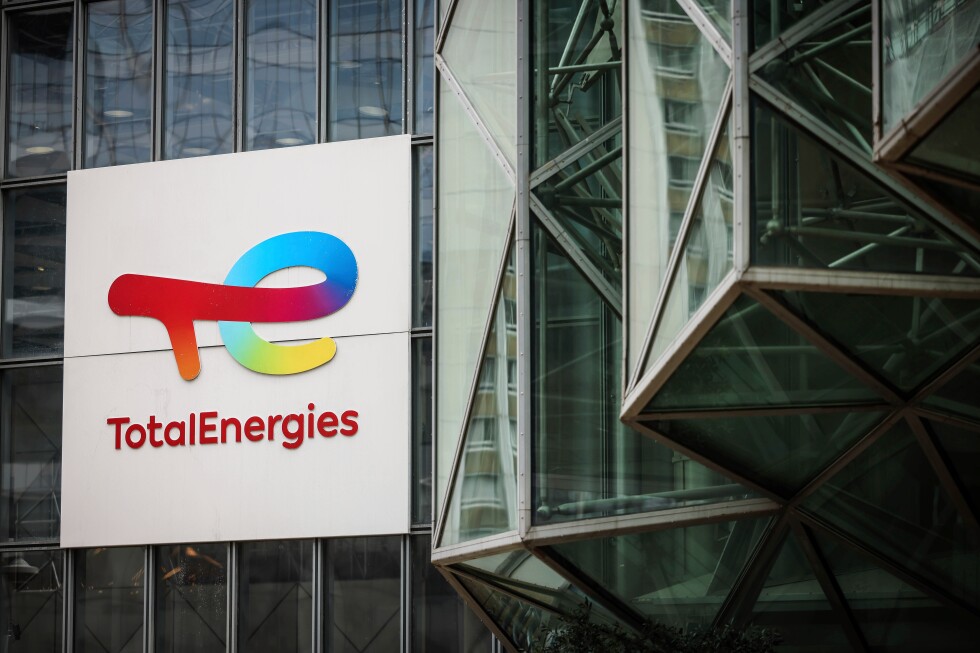
The Trump administration has struck a $1 billion deal with French energy giant TotalEnergies to abandon two U.S. offshore wind leases, redirecting the company’s investments toward fossil fuel projects instead. The Department of Interior announced Monday what it called an “innovative agreement” affecting planned wind farms off the coasts of North Carolina and New York.
Under the arrangement, TotalEnergies will receive what amounts to a refund of its lease payments and has pledged not to develop any new offshore wind projects in the United States. The company had already paused these projects following Trump’s election victory.
“Considering that the development of offshore wind projects is not in the country’s interest,” TotalEnergies CEO Patrick Pouyanné said in a statement, the company “renounced offshore wind development in the United States in exchange for the reimbursement of the lease fees.”
The company plans to redirect the funds toward building a liquefied natural gas plant in Texas and expanding its oil and gas operations, describing this as a “more efficient use of capital” in the U.S. market.
Interior Secretary Doug Burgum praised the deal, saying, “The American people will no longer pay for ideological subsidies that benefited only the unreliable and costly offshore wind industry.” He added, “We welcome TotalEnergies’ commitment to developing projects that produce dependable, affordable power to lower Americans’ monthly bills.”
Environmental advocates, however, condemned the arrangement. Lena Moffitt, executive director of Evergreen Action, called it a “billion-dollar bribe” to kill clean energy. “After losing again and again in court on his illegal stop-work orders, Trump has found another way to strangle offshore wind: pay them to walk away,” Moffitt said.
The deal represents a significant shift in U.S. energy policy. The Biden administration had championed offshore wind as a crucial component of its climate strategy, while Trump has consistently advocated for fossil fuel expansion since his first term. On his first day back in office, Trump signed executive orders aimed at boosting oil, gas, and coal production.
State leaders in affected regions expressed outrage at the federal government’s decision. New York Governor Kathy Hochul, a Democrat, characterized the arrangement as “a pay-not-to-play scheme” and “an outrageous abuse of taxpayer dollars.” Hochul affirmed her state’s commitment to a diverse energy portfolio including renewables and nuclear power.
North Carolina Governor Josh Stein, also a Democrat, called it “a terrible deal for the people of North Carolina and our country,” noting that his state has offshore wind potential to power millions of homes with American-made renewable energy.
TotalEnergies’ now-abandoned projects represented significant renewable energy investments. The Carolina Long Bay project, purchased in 2022 for $133 million, was designed to generate more than 1 gigawatt of electricity—enough to power about 300,000 homes. The New York/New Jersey lease, acquired the same year for $795 million, had planned capacity for 3 gigawatts, potentially powering nearly one million homes.
This development comes amid legal battles between the administration and offshore wind developers. Days before Christmas, the Interior Department halted construction on five major East Coast offshore wind projects, citing national security concerns. Developers and states sued, with federal judges ultimately allowing all five projects to resume construction, ruling that the government failed to demonstrate imminent risk.
Despite the administration’s efforts to curtail U.S. offshore wind development, the global market continues to expand, with China leading in new installations. On Monday, one of the previously targeted projects, Coastal Virginia Offshore Wind, began delivering power to Virginia’s grid, according to developer Dominion Energy.
Ted Kelly, clean energy director at the Environmental Defense Fund, characterized the TotalEnergies deal as “an outrageous misuse of taxpayer dollars to prevent Americans from having clean, affordable power exactly when they need it most,” noting that East Coast states are pursuing offshore wind to increase affordable electricity supplies amid rising natural gas prices.
Fact Checker
Verify the accuracy of this article using The Disinformation Commission analysis and real-time sources.

10 Comments
This feels like a step backward for US renewable energy efforts. Paying a major player to abandon offshore wind projects in favor of expanding fossil fuel infrastructure seems counterproductive to addressing climate change. I hope this doesn’t signal a broader trend.
I share your concern. Prioritizing fossil fuel development over renewable energy seems shortsighted, especially given the urgent need to transition to cleaner power sources. Hopefully this is an isolated incident and not indicative of a larger policy shift.
Interesting move by the Trump administration to pay TotalEnergies to exit their US offshore wind leases. Seems like a shift back toward fossil fuels rather than renewable energy development. I wonder if this will impact the broader US offshore wind industry going forward.
You raise a good point. This deal could signal a change in the administration’s renewable energy priorities, at least during Trump’s tenure. It will be worth watching how this affects the overall offshore wind landscape in the US.
I’m surprised to see the Trump administration actively incentivizing a move away from offshore wind toward expanded fossil fuel projects. This seems at odds with the general global trend toward renewable energy adoption. I wonder what the rationale is behind this decision.
Agreed, this move seems to buck the broader clean energy transition happening around the world. It will be interesting to see if the administration provides further justification for prioritizing fossil fuels over offshore wind in this case.
From an economic standpoint, the $1 billion payout could be seen as a way to recoup some of the government’s investment in these offshore wind leases. But the broader environmental implications are troubling. This deal feels like a win for the fossil fuel industry at the expense of renewable energy progress.
Well said. While the financial angle may make sense on paper, the long-term costs to the environment and climate change mitigation efforts could far outweigh any short-term gains. This is a concerning development that bears close monitoring.
So the US government is essentially subsidizing the transition of this French company from offshore wind to LNG and oil/gas projects. Curious to see if this sets a precedent for other renewable energy players in the country.
That’s a fair observation. The $1 billion payout does seem like a significant incentive for TotalEnergies to shift their focus away from offshore wind. It will be interesting to see if other renewable energy companies receive similar offers.