


Listen to the article
Trump Administration Ends Protected Status for Somali Immigrants Amid Rising Tensions
The Trump administration announced Tuesday it will terminate Temporary Protected Status (TPS) for hundreds of Somali immigrants, requiring them to leave the United States by March 17, 2025, when current protections expire.
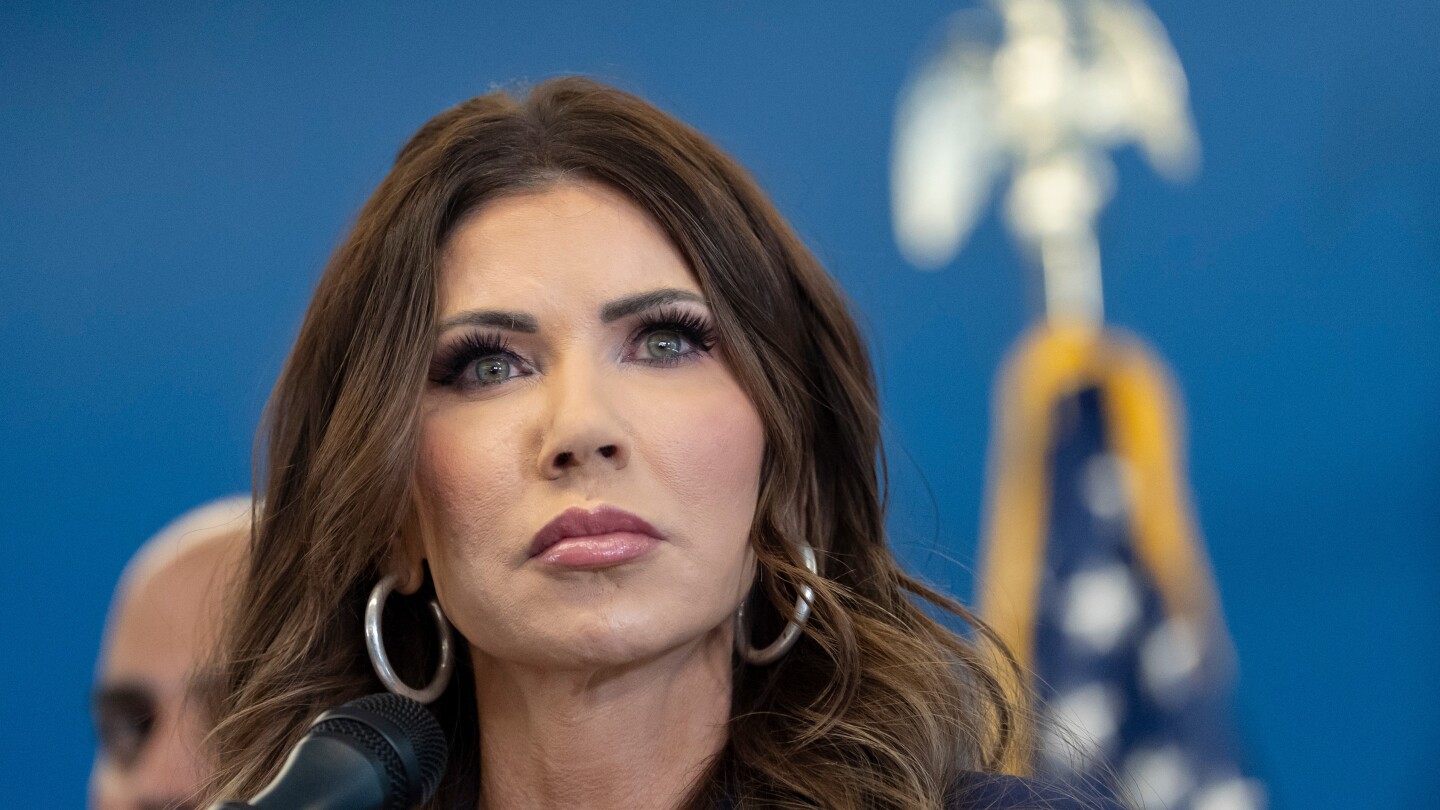
Department of Homeland Security Secretary Kristi Noem defended the decision by stating, “Temporary means temporary,” adding that conditions in Somalia “have improved to the point that it no longer meets the law’s requirement for Temporary Protected Status.” Noem emphasized that the move puts “Americans first.”
The decision affects approximately 705 Somali nationals currently living in the United States under TPS protection, according to Congressional Research Service data. These individuals represent a small fraction of the nearly 1.3 million immigrants with TPS status nationwide.
This policy change comes during heightened tensions in Minneapolis, home to a significant Somali community, where protests have intensified following the killing of a U.S. citizen by an Immigration and Customs Enforcement agent during demonstrations against federal immigration enforcement activities.
The Council on American-Islamic Relations (CAIR) immediately condemned the decision as a “bigoted attack” that fails to acknowledge Somalia’s ongoing instability. In a joint statement with its Minnesota chapter, CAIR said, “This decision does not reflect changed conditions in Somalia. By dismantling protections for one of the most vulnerable Black and Muslim communities, this decision exposes an agenda rooted in exclusion, not public safety.”
Somalia, located in the Horn of Africa, remains one of the world’s poorest nations and has struggled with decades of chronic conflict compounded by natural disasters including severe droughts. The terrorist group al-Shabab, an al-Qaida affiliate, controls parts of the country and has carried out deadly attacks in the capital, Mogadishu, killing dozens in recent years.
The TPS program, established by Congress in 1990, allows the executive branch to designate countries facing unstable or threatening conditions, typically in 18-month increments. Citizens of designated countries already in the U.S. can apply for protection, which provides work authorization and deportation relief. However, TPS offers no pathway to permanent residency or citizenship.
Somalia first received TPS designation in 1991 under President George H.W. Bush amid civil war. The status has been extended more than two dozen times due to “insecurity and ongoing armed conflict that present serious threats to the safety of returnees,” most recently by President Joe Biden in July 2024.
Critics of the program argue that these supposedly temporary designations often become de facto permanent through repeated extensions, while defenders maintain they provide crucial humanitarian protection for vulnerable populations.
The Somali decision follows a pattern of similar moves by the Trump administration, which has already terminated TPS for approximately 600,000 Venezuelans and 500,000 Haitians. These actions have sparked multiple legal challenges, though the U.S. Supreme Court has twice issued emergency rulings allowing the Venezuelan revocations to proceed while litigation continues.
Trump has specifically targeted Somali immigrants in his rhetoric. During a speech in Michigan on Tuesday, he promised to “revoke the citizenship of any naturalized immigrant from Somalia, or anywhere else who was convicted of defrauding our citizens,” though the legal basis for such action remains unclear. In December, Trump made broader statements saying he “did not want Somalis” in the United States, claiming they “come from hell” and “contribute nothing,” without distinguishing between citizens and non-citizens.
The practical implementation of the TPS termination remains uncertain. Most previous attempts to end TPS designations have faced court challenges. Additionally, affected individuals can pursue other immigration remedies, including asylum, though the Trump administration has simultaneously restricted access to these pathways.
The Biden administration had previously expanded TPS protections broadly, taking a markedly different approach to humanitarian immigration policies than the current administration.
As the March deadline approaches, advocacy organizations are expected to mount legal challenges to the decision while affected Somali nationals must prepare for an uncertain future.
Fact Checker
Verify the accuracy of this article using The Disinformation Commission analysis and real-time sources.

9 Comments
This announcement comes amidst heightened tensions in Minneapolis, home to a sizable Somali community. I wonder how this decision may impact local dynamics and the ongoing protests against federal immigration enforcement. The policy implications seem to extend beyond just the Somali migrants themselves.
That’s an astute observation. The ripple effects of this decision could be far-reaching, potentially exacerbating existing tensions and concerns within the Somali-American community and beyond.
This is a challenging issue without easy answers. I hope the administration carefully considers the full ramifications of this decision and seeks to find a solution that upholds the rule of law while also respecting the dignity and wellbeing of the Somali migrants involved.
Ending deportation protections for Somali migrants is a complex and sensitive issue. While it may align with the administration’s ‘America First’ priorities, the human impact on affected individuals and communities deserves careful consideration.
Agreed, these policy decisions have real human consequences that must be weighed thoughtfully. Balancing national security with compassion is an ongoing challenge.
I’m curious to learn more about the rationale behind this decision and the specific criteria used to determine that Somalia no longer meets the requirements for Temporary Protected Status. What has changed in the country to warrant this policy shift?
That’s a good question. The administration will likely cite improved conditions in Somalia, but the situation on the ground may be more nuanced. It would be helpful to get a fuller picture of the justification for this move.
While I understand the administration’s desire to enforce immigration laws, the human element of this decision should not be overlooked. Deporting hundreds of Somali nationals who have built lives in the US could have significant personal and economic consequences for them and their families.
Well said. Any policy changes must weigh both the legal and humanitarian factors to ensure a balanced and humane approach. The real-world impacts on affected individuals should be a top priority.