


Listen to the article
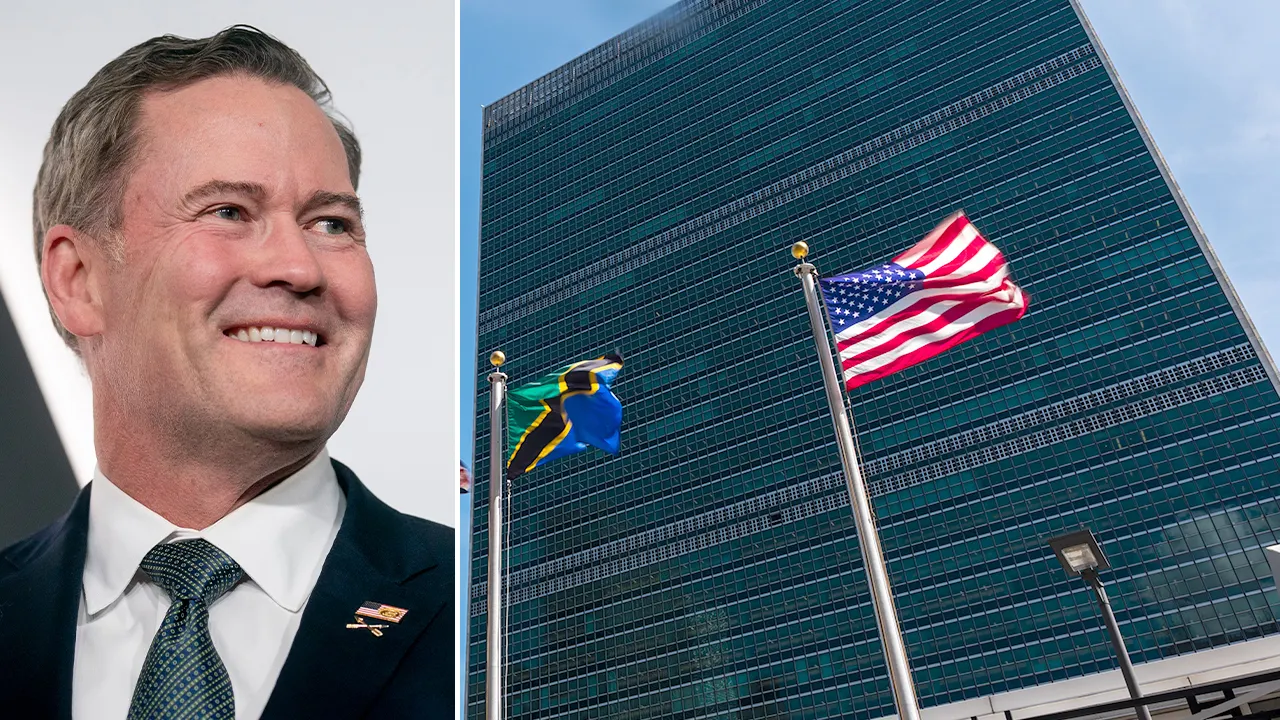
U.S. Ambassador to the United Nations Mike Waltz is spearheading a comprehensive reform agenda at the international body, with combating antisemitism as a cornerstone priority for the Trump administration’s approach to the organization.
In an exclusive interview, Waltz described the U.N. as “a cesspool for antisemitism in many ways,” emphasizing the administration’s determination to address this issue as part of broader institutional reforms aimed at refocusing the organization on its foundational mission of maintaining global peace and security.
“We have to live up to the mantra of never again,” Waltz said, pointing to rising antisemitism worldwide, particularly in the aftermath of the October 7 Hamas attacks against Israel. “As we see antisemitism on the rise around the world… after October 7th, in particular, we have to live up to that mantra.”
The ambassador highlighted Holocaust education and survivor testimony as essential components in the fight against historical revisionism and denial. “It’s about education. It’s about fighting back on these ridiculous denials of the Holocaust,” Waltz said. “But most importantly, while we still have them, it’s about hearing from the survivors and hearing their personal stories.”
Waltz suggested that U.N. forums should prioritize survivor testimonies over political messaging, stating that diplomats and politicians should “get out of the way” to allow these compelling stories to be properly documented and heard.
The push to combat antisemitism comes amid a broader reform effort targeting the United Nations’ structure, operations, and leadership. Waltz envisions “a much more focused U.N.” that returns to “the basics of promoting peace and security around the world and enforcing peace when conflict breaks out through its peacekeeping forces.”
This reform initiative unfolds against a backdrop of longstanding criticism regarding the U.N.’s treatment of Israel. Critics, including U.S. officials and watchdog organizations, have pointed to structural patterns that they argue demonstrate institutional bias.
The United Nations Relief and Works Agency for Palestine Refugees (UNRWA) has faced particularly intense scrutiny. Education monitoring organizations have documented content in UNRWA-linked classroom materials that allegedly delegitimizes Israel or contains antisemitic themes. Following the October 7 attacks, media investigations intensified attention on the agency, with allegations involving staff connections to militant groups triggering donor suspensions and internal investigations.
An independent review commissioned by the United Nations acknowledged neutrality challenges within UNRWA and recommended stronger oversight and vetting mechanisms.
Beyond UNRWA, critics point to other structural patterns across the U.N. system. Israel remains the only country with a permanent agenda item at the U.N. Human Rights Council, requiring discussion at every session. At the General Assembly, Israel has frequently been the subject of more country-specific resolutions than any other member state in many annual sessions, a focus that successive U.S. administrations have described as disproportionate.
U.N. officials have rejected characterizations of institutional antisemitism, arguing that the scrutiny reflects the scale and duration of the Israeli-Palestinian conflict and humanitarian concerns. They also point to reforms already underway within agencies, including UNRWA.
For Waltz, addressing antisemitism within the United Nations system remains a central priority as the organization prepares for leadership transitions and debates over its future direction. He placed this effort within a broader reform agenda that also includes other policy priorities and future leadership decisions.
“So those are just some of the things in addition to… taking on antisemitism… getting… good, strong leadership in the U.N. going forward that we hope to get done during our time here,” Waltz concluded, signaling that the administration’s approach to the world body will focus on both structural reform and values-based leadership.
Fact Checker
Verify the accuracy of this article using The Disinformation Commission analysis and real-time sources.

10 Comments
Interesting to see the Trump administration pushing for UN reform, especially around addressing antisemitism. It’s an important issue that deserves attention, though the effectiveness of any reforms will remain to be seen.
I agree that tackling antisemitism at the UN is crucial. However, the administration’s broader reform agenda raises questions about their motivations and whether this is more about scoring political points than substantive change.
Antisemitism is a concerning global trend that the UN must address more forcefully. However, I hope the administration’s approach focuses on real solutions rather than just political grandstanding.
Agreed. Tackling complex, entrenched issues like antisemitism requires a nuanced, multilateral approach. Unilateral pressure from the US alone is unlikely to bring about lasting change at the UN.
It will be interesting to see what specific reforms the US pushes for at the UN and whether they can build broader international support. Addressing antisemitism is important, but the UN’s role in maintaining global peace and security should remain the top priority.
Very true. The UN faces many challenges, from geopolitical tensions to budget constraints. Any reforms need to strengthen the organization’s core functions rather than undermine them through political grandstanding.
As someone who follows mining and commodities news, I’m curious to see if any of these UN reforms could impact the extractive industries and their operations globally. Transparency and accountability are always key issues in this sector.
Good point. The mining industry’s ties to various global institutions like the UN make any reforms worth monitoring closely, especially when it comes to issues like human rights and environmental protection.
Combating Holocaust denial and educating about this tragic history is vital. I hope the UN can take concrete steps to strengthen these efforts and reaffirm its commitment to never allowing such atrocities to happen again.
Absolutely. Hearing from Holocaust survivors is so powerful and important for maintaining awareness and preventing revisionism. This should be a core part of the UN’s work going forward.