


Listen to the article
U.S. Designates Three Muslim Brotherhood Branches as Terrorist Organizations
The United States has designated three regional branches of the Muslim Brotherhood as terrorist organizations, a move that signals a significant shift in U.S. foreign policy and could strain relationships with Qatar and Turkey, countries known to maintain ties with the group.
In a coordinated effort, the Treasury and State departments announced sanctions against the Lebanese, Jordanian, and Egyptian chapters of the Muslim Brotherhood. The Lebanese branch received the most severe classification, being labeled a foreign terrorist organization, which makes providing material support to the group illegal under U.S. law. Additionally, the Treasury Department designated all three branches as “specially designated global terrorists” for their alleged support of Hamas.
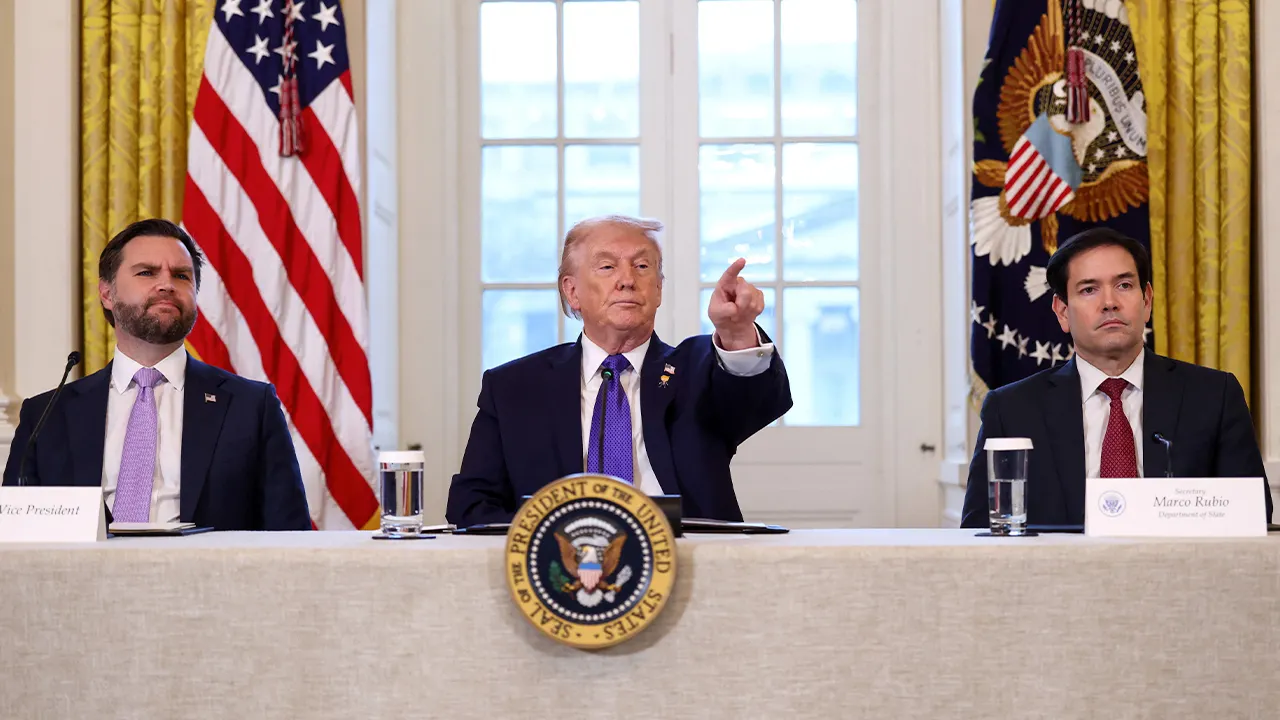
“These designations reflect the opening actions of an ongoing, sustained effort to thwart Muslim Brotherhood chapters’ violence and destabilization wherever it occurs,” Secretary of State Marco Rubio said in a statement. “The United States will use all available tools to deprive these Muslim Brotherhood chapters of the resources to engage in or support terrorism.”
The designations follow President Donald Trump’s November executive order calling for certain chapters of the Muslim Brotherhood to be considered for terrorist classification. The order specifically cited activities that “harm their own regions, United States citizens, and United States interests.”
According to the executive order, the Lebanese chapter joined Hamas, Hezbollah, and Palestinian factions in launching rocket attacks against Israeli civilian and military targets following the October 7, 2023, attacks on Israel. The Egyptian branch allegedly called for violent attacks against U.S. partners and interests on the same date, while the Jordanian chapter’s leadership has “long provided material support to the militant wing of Hamas,” according to the administration’s claims.
The classification of the Jordanian chapter comes at a particularly sensitive time. Just months ago, the Jordanian government announced a sweeping ban on the organization. While the monarchy had previously banned the Muslim Brotherhood a decade earlier, it had continued to tolerate the Islamic Action Front, a political party linked to the group, which won several seats in the 2024 parliamentary elections.
This move represents a continuation of efforts that began during Trump’s first term when his administration considered designating the entire Muslim Brotherhood organization as a terrorist entity. While that broader designation did not materialize at the federal level, both Florida and Texas have independently designated the Muslim Brotherhood as a terrorist organization within their jurisdictions.
The designations could have far-reaching diplomatic implications, particularly with Qatar and Turkey, which have maintained relationships with the Muslim Brotherhood and its affiliated organizations. These countries have been important U.S. regional partners, with Qatar hosting a major U.S. military base and Turkey being a NATO ally. The administration’s decision could complicate these relationships at a time of ongoing tensions in the Middle East.
Middle East experts note that these designations represent a hardening of U.S. policy toward Islamist political movements. Critics of the decision worry it may further limit diplomatic channels in the region, while supporters argue it acknowledges the security threats posed by certain branches of the organization.
The Muslim Brotherhood, founded in Egypt in 1928, has evolved into a transnational movement with varying levels of influence across the Middle East and North Africa. Different countries in the region have taken divergent approaches to the group, with some banning it entirely and others allowing it to participate in political processes.
The Treasury Department has indicated that further actions against Muslim Brotherhood-affiliated entities may be forthcoming as part of what officials describe as a comprehensive strategy to counter extremism and terrorism in the region.
Fact Checker
Verify the accuracy of this article using The Disinformation Commission analysis and real-time sources.

9 Comments
While the Muslim Brotherhood has been linked to violence in some cases, I’m concerned that this broad designation could set a concerning precedent and further inflame tensions in the region.
That’s a fair point. Overly broad counterterrorism measures can sometimes do more harm than good by alienating allies and escalating conflicts.
This is a significant shift in U.S. foreign policy that could have major geopolitical implications, especially for countries like Qatar and Turkey. I’m curious to see how it plays out.
Designating the Muslim Brotherhood as a terrorist organization is a bold move that reflects the Trump administration’s hardline stance on Islamist groups. It will be interesting to see how this affects U.S. relations in the region.
Interesting move by the Trump administration. I’m curious to see how this designation will impact relations with Qatar and Turkey, which have ties to the Muslim Brotherhood. It could lead to some diplomatic tensions.
Agreed, this seems like a politically charged decision that could have wider geopolitical implications. The devil will be in the details of how it’s implemented.
The Muslim Brotherhood has long been a divisive and controversial organization. While I understand the rationale behind this designation, I worry it could further polarize the political landscape in the Middle East.
The Muslim Brotherhood has long been a controversial group, accused of ties to terrorism and extremism. This designation appears to be part of the administration’s broader crackdown on Islamist groups.
Yes, the administration is taking a hardline stance against the Muslim Brotherhood and its affiliates. It will be important to closely monitor the effects of this move.