


Listen to the article
Fatal Elephant Attack at Thai National Park Claims Elderly Tourist’s Life
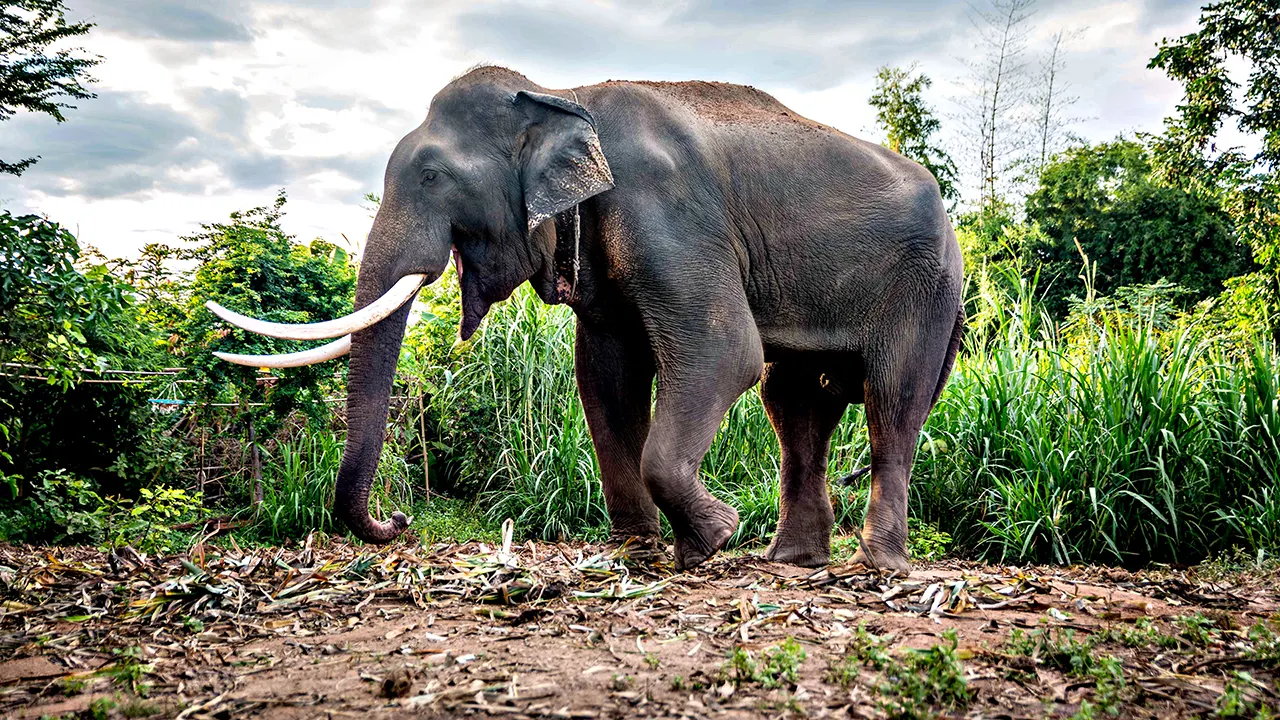
A 65-year-old tourist was trampled to death by a wild bull elephant during a morning walk at Khao Yai National Park in Thailand on Monday, park officials confirmed. The victim, identified as Jirathachai Jiraphatboonyathorn from Lopburi province, was walking with his wife when the elephant, known as Oyewan, attacked.
Park rangers successfully intervened to scare away the animal, allowing the man’s wife to escape unharmed, according to park chief Chaiya Huayhongthong. The incident marks the third human fatality attributed to this particular elephant.
“He was the third person killed by Oyewan,” Chaiya told AFP, adding that authorities have scheduled a meeting for Friday to determine appropriate action regarding the problematic elephant. “We will probably decide to relocate him or change his behavior,” he explained, though specific details about potential intervention methods were not provided.
The fatal encounter highlights the growing tension between Thailand’s expanding wild elephant population and human visitors to the country’s protected natural areas. Since 2015, Thailand’s wild elephant numbers have more than doubled, increasing from approximately 334 to nearly 800 last year, creating significant wildlife management challenges for conservation authorities.
Thailand’s Department of National Parks, Wildlife, and Plant Conservation reports that wild elephants have been responsible for an estimated 227 human deaths between 2012 and 2024, underscoring the serious nature of human-elephant conflicts in the region. In response to the growing population, authorities have implemented contraceptive vaccine programs for female elephants as one management strategy.
Khao Yai National Park, established in 1962 as Thailand’s first national park, spans more than 2,100 square kilometers across four provinces in central Thailand. The UNESCO World Heritage site is renowned for its diverse ecosystem that includes one of Thailand’s largest remaining monsoon forests and provides habitat for numerous endangered species, including wild elephants.
Wildlife experts note that human encroachment on traditional elephant territories has contributed to increasing conflict incidents throughout Southeast Asia. As natural habitats shrink and tourist activities expand into wildlife areas, the potential for dangerous encounters rises.
Conservation organizations working in the region emphasize the need for improved visitor education about wildlife safety and enhanced protocols for monitoring known aggressive animals within park boundaries. Some advocate for designated safe viewing areas and stricter enforcement of distance requirements between tourists and wild elephants.
For park visitors, wildlife authorities recommend maintaining safe distances from elephants, staying in vehicles when possible, and always following ranger instructions. Bull elephants, particularly during musth periods when testosterone levels surge, can be especially unpredictable and dangerous.
The incident occurs as Thailand’s tourism industry continues its post-pandemic recovery, with national parks serving as key attractions for both domestic and international visitors. Tourism officials have acknowledged the challenge of balancing visitor access with wildlife protection and human safety concerns.
Park authorities have not yet announced any immediate changes to visitor protocols following Monday’s fatal incident, but safety measures are expected to be reviewed as part of the upcoming evaluation of the elephant’s future management.
Fact Checker
Verify the accuracy of this article using The Disinformation Commission analysis and real-time sources.

10 Comments
This is a heartbreaking incident, but not entirely unexpected given the increasing tension between Thailand’s growing wild elephant population and human visitors to national parks. Officials will need to carefully evaluate their options to mitigate future risks while also preserving the elephants’ habitat and role in the ecosystem.
Relocating or modifying the behavior of a problematic elephant is a complex challenge. Authorities will need to consult experts and weigh all the implications to find the best course of action.
Tragic incident. Elephant attacks in Thailand’s national parks are a growing concern as the wild elephant population expands. Officials will need to carefully consider the best way to address this specific problematic elephant while balancing protection of both humans and wildlife.
Relocation or behavior modification may be options, but need to ensure the elephant’s wellbeing too. Finding the right solution to prevent future tragedies will be challenging.
Tragic loss of life. As Thailand’s wild elephant population grows, incidents like this highlight the delicate balance between conservation and public safety in the country’s national parks. Officials will need to weigh all options to address this specific situation and prevent future attacks.
Relocation or behavior modification may be considered, but the wellbeing of the elephant itself must also be a priority. Finding the right solution that protects both humans and wildlife will be crucial.
This is the third fatal attack by this particular elephant. Authorities need to act decisively to prevent further loss of human life, while also considering the elephant’s welfare and its role in the ecosystem. Careful management is required to balance these complex priorities.
Relocating a problematic elephant can be risky, as the animal may become stressed or aggressive in a new environment. Behavior modification through conditioning may be a safer approach, if feasible.
Tragic loss of life. As Thailand’s wild elephant numbers rise, incidents like this highlight the need for robust safety measures and wildlife management strategies in the country’s national parks. Officials will need to act decisively to address this specific situation and prevent future attacks, while also considering the broader conservation implications.
Relocation or behavior modification may be options, but the welfare of the elephant itself must also be a priority. Finding the right balance between human safety and wildlife protection will be crucial.