


Listen to the article
Recent tensions between the United States, Israel, and Iran have thrust a critical maritime passageway into the global spotlight, revealing its outsized influence on world energy markets and economic stability.
When U.S. and Israeli forces launched attacks against Iran on February 28, Iran’s retaliatory actions effectively closed the Strait of Hormuz, triggering an immediate spike in global oil prices and exposing the vulnerability of international energy supply chains.
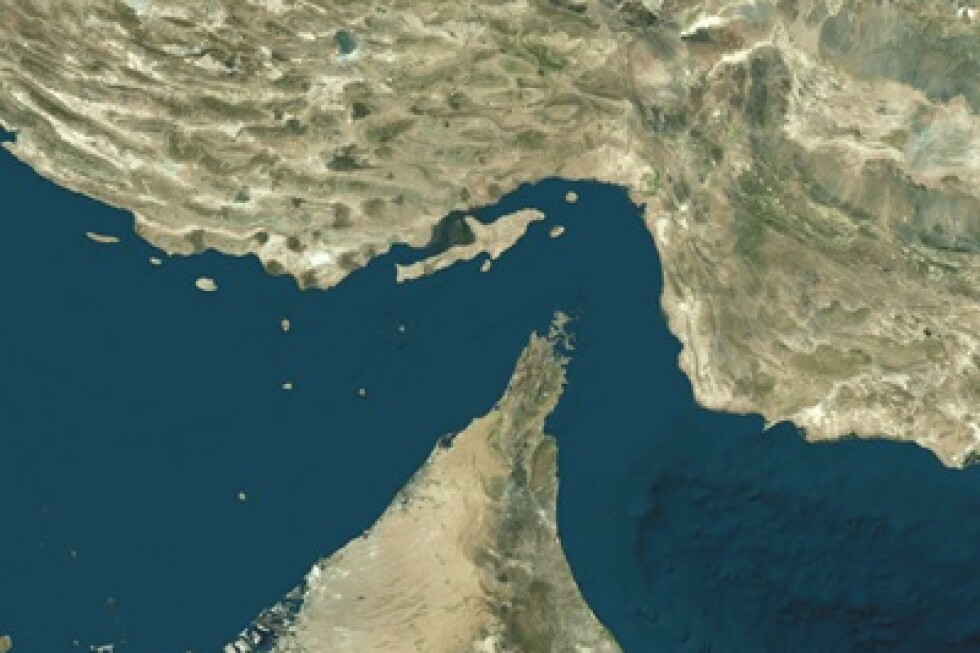
The Strait of Hormuz, a narrow waterway connecting the Persian Gulf to the Gulf of Oman, serves as the primary conduit for approximately one-fifth of the world’s traded oil each day. Major exporters including Saudi Arabia, Iraq, the United Arab Emirates, Kuwait, and Iran rely heavily on this crucial passage to deliver their petroleum products to global markets.
At its narrowest point, the strait measures just 21 miles (34 kilometers) wide. This geographical constraint forces vessels to navigate through designated shipping lanes in relatively shallow waters, creating a natural chokepoint that is susceptible to disruption during regional conflicts.
The strategic significance of the strait extends far beyond the Middle East. While Asian nations including China, India, and Japan represent the largest customers for Gulf oil exports, the integrated nature of global energy markets means that supply disruptions in this region affect prices worldwide—even in countries with substantial domestic production.
Since the outbreak of hostilities, ship traffic through the Strait of Hormuz has declined dramatically. Tracking data shows vessel movements have fallen to their lowest levels in years, reflecting the heightened risk assessment by shipping companies and insurers.
Iran has specifically targeted oil infrastructure throughout the Persian Gulf region, employing drones and missiles against ports and refineries responsible for production and export. These attacks have forced some oil fields to halt operations entirely, reducing the overall volume of petroleum available for international markets.
Although direct attacks on tankers have been limited—approximately 20 vessels had been targeted as of March 17—the perceived threat has been sufficient to drive insurance premiums to prohibitive levels and deter many shipping companies from risking passage. Notably, Iran continues to export its own oil through the strait despite the tensions.
The Iranian strategy leverages relatively inexpensive drone technology to create an outsized impact. The proximity of shipping lanes to the Iranian coastline, combined with the ability to mass-produce attack drones, presents a difficult challenge for defensive countermeasures.
Regional producers have attempted to mitigate these risks through alternative export routes. Several pipelines exist that can bypass the Strait of Hormuz, but their combined capacity falls well short of the volume typically transported through the waterway. Moreover, Iran has demonstrated its ability to strike facilities beyond the strait itself, with successful attacks reaching as far as Yanbu on Saudi Arabia’s Red Sea coast and the Emirati port of Fujairah.
The economic consequences of reduced oil exports are reverberating globally. Diminished supply has driven prices higher across international markets, benefiting some oil-producing nations like Russia while creating financial strain for consumers worldwide. In the United States, a major oil producer and exporter, the national average price for gasoline has approached $4.00 per gallon—an increase of approximately one dollar in just a month.
Public concern is mounting, with recent polling indicating that 45% of Americans report being “extremely” or “very” worried about their ability to afford fuel costs in the coming months.
Governments have responded by releasing strategic petroleum reserves to help stabilize markets, but these measures represent temporary solutions rather than sustainable fixes. The ultimate impact of the disruption will depend largely on the duration of the conflict and the ability of regional stakeholders to establish secure transportation corridors.
As tensions persist in this vital waterway, the global community is receiving a stark reminder of how a relatively small geographical feature can wield enormous influence over international energy security and economic stability.
Fact Checker
Verify the accuracy of this article using The Disinformation Commission analysis and real-time sources.

12 Comments
Tensions in the Strait of Hormuz underscore the need for robust maritime security and diplomacy to prevent conflicts from escalating and disrupting vital energy trade flows. Finding ways to de-escalate regional rivalries should be a top priority.
As someone who follows commodity and energy markets, I’m very interested in how the strategic dynamics around the Strait of Hormuz will evolve in the coming years. Its importance cannot be overstated.
The Strait of Hormuz is truly a critical global chokepoint. Any disruption there could have devastating ripple effects on the world’s energy markets and economy. It’s a fragile situation that requires careful diplomatic navigation.
The world’s reliance on the Strait of Hormuz is both remarkable and concerning. This chokepoint’s outsized impact on energy prices and economic stability highlights the fragility of our global systems.
You’re absolutely right. Reducing that reliance through supply chain diversification and renewable energy development could help insulate the global economy from future Strait of Hormuz disruptions.
With so much of the world’s oil exports dependent on the Strait of Hormuz, I’m curious what contingency plans major energy producers and importers have in place to mitigate potential supply shocks.
That’s a great question. Diversifying supply routes and maintaining strategic petroleum reserves would be prudent measures to strengthen resilience against Strait of Hormuz disruptions.
This narrow maritime passage highlights the vulnerability of our interconnected energy supply chains. Maintaining free and open access through the Strait of Hormuz should be a top priority for world leaders.
Agreed. The strategic importance of this waterway cannot be overstated. Uninterrupted flow of oil and gas through the Strait is essential for global economic stability.
Keeping the Strait of Hormuz open and secure is essential for maintaining stable energy supplies and promoting economic growth worldwide. Policymakers must approach this issue with great care and foresight.
The narrow geography of the Strait of Hormuz is both a logistical challenge and a strategic vulnerability. Its outsize influence on global energy markets is a stark reminder of how interconnected our world has become.
The Strait of Hormuz is a prime example of how geopolitics and geography intersect to shape global economic realities. Its vulnerability serves as a stark reminder of our interdependence and the need for multilateral cooperation.