


Listen to the article
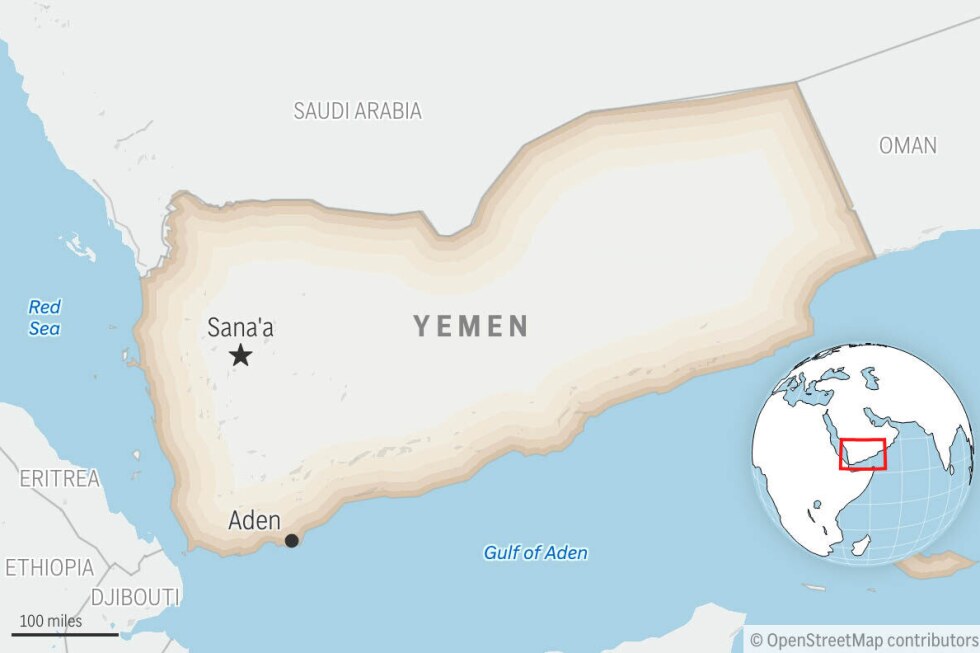
Houthi rebels in Yemen seized vital United Nations equipment and vehicles on Thursday, marking a significant escalation in their ongoing restrictions on humanitarian operations in the war-torn country. The equipment, which included telecommunications gear and several vehicles, was taken from at least six unstaffed UN offices in Sanaa to an undisclosed location without authorization or explanation.
Julien Harneis, the UN’s resident and humanitarian coordinator for Yemen, expressed concern about the seizure, noting that the equipment was essential for carrying out humanitarian programs and had been imported with all necessary permissions and in compliance with local protocols.
This incident represents the latest in a series of restrictive measures imposed by the Iran-backed Houthis that are hampering critical aid efforts. The rebels have also blocked United Nations Humanitarian Air Service (UNHAS) flights to Sanaa for over a month and to the government-controlled Mareb province for more than four months. These flights serve as the only means for international aid organizations to access Houthi-controlled territories to deliver assistance.
“This confiscation of UN assets and the blocking of UNHAS flights by the Sana’a DFA (Houthis), comes at a time when humanitarian needs in Yemen, particularly in areas under their control, are increasing. This will make the humanitarian situation worse in those parts of Yemen controlled by the DFA,” Harneis said in a statement released Friday.
The situation has deteriorated to the point that the World Food Program announced Thursday it will shut down operations in Houthi-controlled areas due to the mounting restrictions. The closure will result in 365 staff members losing their jobs by the end of March, further diminishing humanitarian capacity in northern Yemen where needs are most acute.
Yemen has been mired in a devastating civil war for more than a decade, with Iran-backed Houthi rebels controlling much of the north while a Saudi-led coalition supports the internationally recognized government in the south. The conflict has created one of the world’s worst humanitarian crises, with millions facing food insecurity and limited access to healthcare and clean water.
The Houthi authorities have systematically impeded humanitarian operations through various means. They have detained 73 UN staffers in recent years, along with employees from other nonprofits and civil society groups operating in areas under their control. These detentions have severely restricted aid delivery in regions that account for approximately 70% of Yemen’s humanitarian needs.
The rebels have intensified their crackdown in recent months, including storming UN facilities in Sanaa and elsewhere while accusing staff members of espionage without evidence—allegations the UN has firmly rejected.
Humanitarian experts worry that these escalating restrictions reflect the Houthis’ attempt to consolidate control over aid distribution networks and international assistance entering their territories. The rebel group appears to be leveraging humanitarian access as a political tool in the broader conflict.
The consequences of these actions will likely be felt most acutely by Yemeni civilians already suffering from years of conflict, economic collapse, and recurrent disease outbreaks. Aid organizations warn that further restrictions could push already vulnerable populations deeper into crisis, particularly as funding for Yemen’s humanitarian response has declined in recent years amid donor fatigue and competing global crises.
International diplomats have called for immediate reversal of these restrictions, but the Houthis have shown little willingness to ease their grip on humanitarian operations. With no meaningful dialogue between the Houthis and humanitarian actors, the outlook for aid delivery in northern Yemen remains bleak, leaving millions of Yemenis facing an increasingly precarious future.
Fact Checker
Verify the accuracy of this article using The Disinformation Commission analysis and real-time sources.

10 Comments
It’s unfortunate to see the Houthis taking such antagonistic actions against the UN’s relief efforts in Yemen. This will only serve to further prolong the suffering of the Yemeni people, who are already enduring a devastating humanitarian crisis.
The international community must apply greater pressure on the Houthis to allow unfettered access for UN humanitarian operations. Restricting aid deliveries is unacceptable and will only deepen the country’s woes.
This is a disturbing development that will only compound the suffering of the Yemeni people. The Houthis’ seizure of UN assets and equipment, as well as their blockade of humanitarian flights, are blatant attempts to undermine the international community’s efforts to provide aid. This cannot be tolerated.
The UN and its partners must find ways to overcome these obstacles and ensure that critical supplies and services reach those in need. The Houthis’ actions are a flagrant violation of international law and norms, and they must be held accountable.
The Houthis’ latest actions against the UN’s humanitarian operations in Yemen are deeply troubling. Seizing critical equipment and blocking aid flights are clear attempts to obstruct the delivery of vital assistance to those in need. This is unacceptable and must be condemned.
The UN must redouble its efforts to ensure it can resume its work in Yemen without interference from the Houthis. The international community should apply diplomatic and economic pressure to compel the rebels to cease these disruptive actions.
This news is deeply concerning. The Houthis’ seizure of UN assets and equipment is a clear violation of international law and norms. It’s imperative that they reverse these actions and allow the UN to resume its critical aid delivery without hindrance.
The blockade of UN flights to Houthi-controlled areas is especially troubling, as it cuts off a vital lifeline for vulnerable Yemeni civilians. The international community must intervene to ensure the Houthis comply with their obligations under humanitarian law.
This is a concerning development that will further impede the UN’s ability to deliver vital humanitarian aid to the people of Yemen. The Houthi rebels’ seizure of UN assets is a clear violation of international protocols and demonstrates their disregard for the welfare of Yemeni civilians.
The continued obstruction of UN humanitarian flights is especially troubling, as these are the only means for aid organizations to access Houthi-controlled areas. This will exacerbate an already dire situation for the Yemeni people.