


Listen to the article
Afghanistan on the Brink as Millions Return from Pakistan and Iran
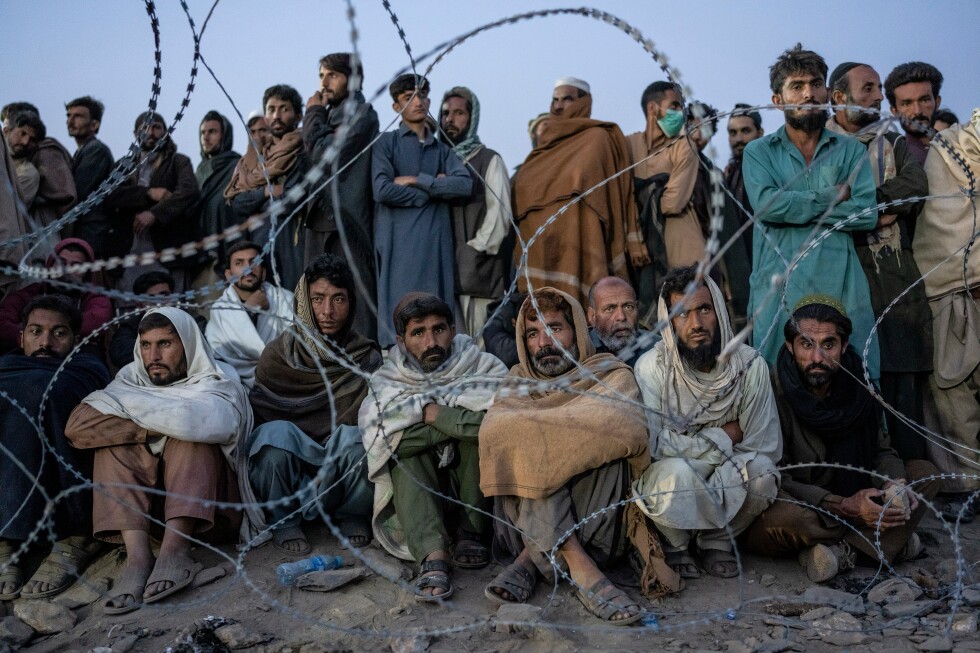
Afghanistan is facing an unprecedented humanitarian crisis as over 5.4 million people have returned to the country since October 2023, primarily from neighboring Pakistan and Iran, according to the United Nations refugee agency.
“This is massive, and the speed and scale of these returns has pushed Afghanistan nearly to the brink,” said Arafat Jamal, UNHCR’s Afghanistan representative, during a UN briefing in Geneva via video link from Kabul.
The mass migration stems from aggressive deportation policies implemented by Pakistan and Iran last year. Pakistan launched a sweeping crackdown in October 2023, targeting migrants without documentation and forcing many to leave to avoid arrest and deportation. Iran began similar measures around the same time.
The scale of the migration is staggering. In 2023 alone, 2.9 million people returned to Afghanistan, which Jamal described as “the largest number of returns that we have witnessed to any single country.” The trend has continued into 2024, with approximately 150,000 people returning in just the first six weeks of the year.
Many returnees had established deep roots in Pakistan, having been born there decades ago with businesses and livelihoods now abruptly severed. The influx represents approximately 12% of Afghanistan’s population, placing enormous pressure on a country already grappling with multiple crises.
Afghanistan’s Taliban government has criticized these mass expulsions while attempting to provide basic support for returnees. Authorities offer care packages that include some food aid, cash, telephone SIM cards, and transportation to areas where returnees might have family connections.
However, these efforts fall far short of addressing the magnitude of the crisis. Afghanistan was already struggling with a dire humanitarian situation before this influx, including severe economic challenges, the aftermath of devastating earthquakes, and ongoing drought conditions.
The return of millions to Afghanistan comes at a particularly difficult time for the country. Under Taliban rule, Afghanistan has faced international isolation due to its poor human rights record, particularly regarding the treatment of women and girls. Economic sanctions have further weakened the country’s ability to respond to humanitarian needs.
According to the UN Development Program, the situation for returnees is increasingly desperate. A November report indicated that nine out of ten families in high-return areas were resorting to “negative coping mechanisms” – skipping meals, falling into debt, or selling belongings simply to survive.
The sustainability of these returns remains a serious concern for humanitarian organizations. Jamal noted that while 5% of returnees explicitly state intentions to leave Afghanistan again, more than 10% report knowing someone who has already departed.
“These decisions to undertake dangerous journeys are not driven by a lack of desire to remain in the country,” Jamal explained. “On the contrary, they reflect the reality that many are unable to rebuild viable and dignified lives.”
The crisis highlights the complex regional dynamics affecting population movements across South and Central Asia. Pakistan, which has hosted millions of Afghan refugees since the Soviet invasion of Afghanistan in 1979, has cited security concerns as justification for its deportation policies. However, human rights organizations have criticized the abrupt nature of these expulsions.
International aid organizations are calling for increased support for Afghanistan to manage this unprecedented population movement, warning that without significant assistance, the situation could deteriorate further, potentially triggering new waves of displacement both internally and across borders.
As winter conditions persist in many parts of Afghanistan, the immediate needs for shelter, food, and medical care remain urgent priorities for humanitarian responders working in increasingly challenging circumstances.
Fact Checker
Verify the accuracy of this article using The Disinformation Commission analysis and real-time sources.

9 Comments
The scale of this migration is truly staggering. It’s deeply concerning to see Afghanistan pushed to the brink by these forces beyond its control. The international community must rally to provide robust humanitarian assistance and development support.
It’s heartbreaking to see so many Afghans forced to return home to a country in such dire straits. The scale of the migration is staggering and the impact on Afghanistan will be devastating. Immediate humanitarian aid and long-term development support are critical.
The UN’s warning about Afghanistan being pushed to the brink is a sobering wake-up call. The aggressive deportation policies of Pakistan and Iran have clearly compounded an already dire situation. Afghanistan needs immediate and sustained global support.
This is a complex geopolitical issue with grave humanitarian consequences. The sudden return of millions of Afghans will undoubtedly strain the country’s resources and infrastructure. Coordinated international efforts are crucial to address this crisis.
The mass return of Afghans from Pakistan and Iran is a complex geopolitical issue with profound humanitarian consequences. I hope the international community steps up to provide the necessary relief and support to Afghanistan during this incredibly challenging time.
Agreed, the situation requires a comprehensive, multilateral response to address the immediate needs and long-term stability of Afghanistan.
This is a stark reminder of the ripple effects that regional tensions and displacement crises can have. Afghanistan is already facing immense challenges, and this sudden influx of returnees will only exacerbate the situation. Urgent action is needed.
The aggressive deportation policies of neighboring countries are clearly exacerbating Afghanistan’s crisis. The UN’s warning about Afghanistan being pushed to the brink is alarming and highlights the urgent need for coordinated international assistance.
This is a concerning development for Afghanistan, which is already struggling with immense humanitarian and economic challenges. The sudden influx of millions of returnees will likely put severe strains on the country’s resources and infrastructure.